


Twitter users have long asked for an Edit button. After tweeting what was thought to be an April Fool’s joke that it was adding an Edit button, it was announced that Twitter really is working on an Edit button. Does this have anything to do with Elon Musk buying a controlling interest in the social network?
Also read: How to Delete Anything from Twitter Including Your Account
Elon Musk Becomes Twitter’s Largest Shareholder
Musk bought a 9.2 percent interest in Twitter on Monday, an almost $3 billion move. This news brought the social network its best day of trading in nine years.
Twitter CEO Parag Agrawal tweeted, “Through conversations with Elon in recent weeks, it became clear to us that he would bring great value to our Board,” adding, “He’s both a passionate believer and intense critic of the service which is exactly what we need on Twitter, and in the boardroom, to make us stronger in the long term.”

Musk responded, “Looking forward to working with Parag & Twitter board to make significant improvements to Twitter in coming months!”
Musk also created a poll and asked, “Do you want an edit button?” The final results were 76 percent yes to 24 percent no, with nearly 4.5 million Twitter users voting.
Agrawal retweeted Musk’s poll, noting, “The consequences of this poll will be important. Please vote carefully.”
Prior to the weekend, Twitter posted that it was working on an Edit button. In response to whether this was an April Fool’s joke, the company cracked, “We cannot confirm or deny, but we may edit our statement later.”
While a Twitter Edit button would help solve embarrassing mistakes, it could also become problematic since tweets are sometimes held up as public record, and an edit could change all that.

Andrew Bosworth, Facebook parent company Meta’s CTO, said his team had solved that by showing when a post had been edited and including a change log.
It may not be just the Edit button discussion that caused Musk to buy Twitter. He was upset about his tweets being subjected to the SEC and suggested he would create his own social media platform. Donald Trump said the same thing at one time, and that’s not currently going real well for him.
This leads to the obvious question of whether Musk made this move solely for his own use or because he wanted to make content changes such as the Edit button.
Musk fell out of favor with the SEC after he asked on Twitter whether he should sell off 10 percent of his Tesla stock, and it led to falling shares.
The Edit Button Is Real
It turns out the Twitter Edit button is a real thing. This wasn’t just something Musk was playing around with. The mystery is whether this was in the works before Musk bought his controlling interest in Twitter stock.
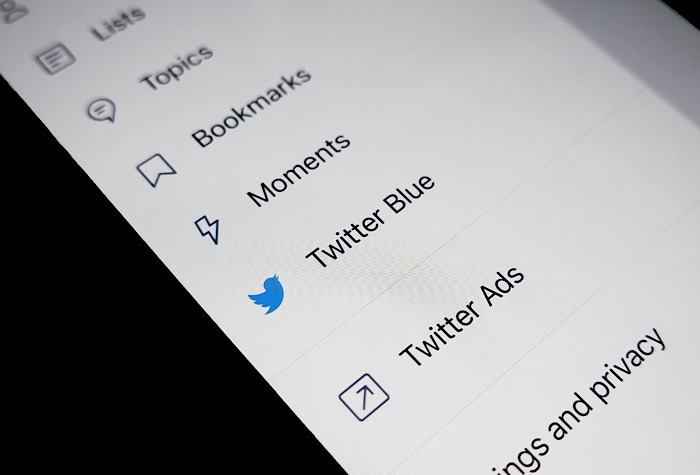
Twitter contends it’s been working on an Edit button “since last year.” The company added, “No, we didn’t get the idea from a poll,” an obvious reference to Musk’s poll. The feature will first appear on Twitter Blue.
Twitter’s head of consumer product Jay Sullivan tweeted that an edit button “has been the most requested Twitter feature for many years.” He added that Twitter would be “actively seeking input and adversarial thinking” before it launched.
Don’t have an account? Read on to learn how to read Twitter and other social media sites without an account.