
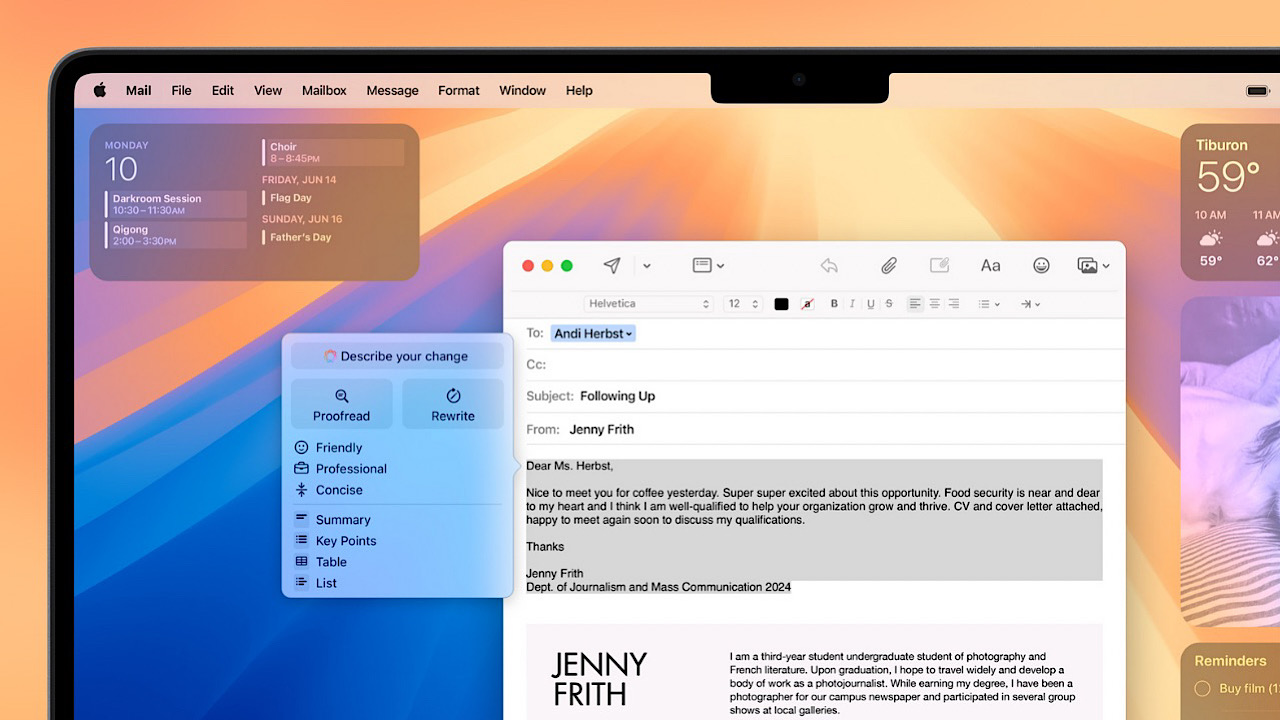

Apple confirmed in its WWDC event this week that it will be using ChatGPT along with its own “Apple Intelligence.” This has angered Elon Musk, who has threatened to not allow Apple products at Tesla because of the use of ChatGPT.
Elon Musk’s Threat to Apple
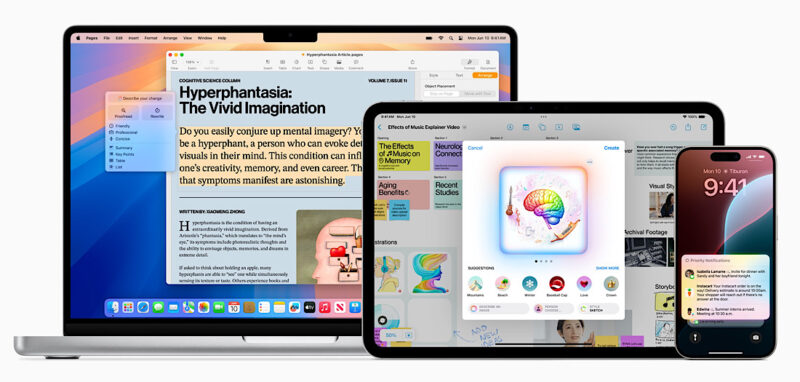
Apple announced in the WWDC event that it will be adding AI to its services and software. Only the newest, most powerful devices will be able to use it for now. It has been branded Apple Intelligence. For some of the AI requests, Apple will take advantage of ChatGPT, a product of OpenAI, but users can opt out of that expeience.
After the WWDC announcement, Musk tweeted, “If Apple integrates OpenAI at the OS level, then Apple devices will be banned at my companies. That is an unacceptable security violation.”
Elon Musk’s discontent with Apple’s decision is significant because of the potential implications it could have for the relationship between Tesla and Apple. As two of the most influential companies in the tech industry, any significant changes in their relationship could have far-reaching impact.
Additionally, Musk co-founded OpenAI in 2015. He’s currently suing the company for breaching a founding agreement and moving away from being a nonprofit. That certainly leds to his feelings about Apple using ChatGPT even more.
Is Musk’s Response an Empty Threat?
Parents know all too well what empty threats are – telling your child that if they do this one more time, you’re going to enact a certain punishment. Musk has joined the world of parenting by threatening Apple. It’s seems like it would most likely be an empty threat.
Can Musk really carry this out, to not allow a single Apple device? No iPads, no MacBooks, and no iPhones? How could anyone make that happen? Is he going to reward all the iPhone uses by giving them Android phones? Or is he going to insist that they all buy their own Android phones or leave the company?
With all of Musk’s tech businesses, he should understand Apple’s pull to incorporate artificial intelligence. He’s the one wanting to put everyone in driverless car.
At this point, either you’re incorporating it, or you’ll be lost in the shuffle. AI is taking over the world. Apple giving the ChatGPT option, when they know their own Apple Intelligence may not always be enough, is simply ensuring that their user base won’t jump ship to another device. Apple would have been lost in the dirt if they didn’t incorporate this.
If Musk follows through with his threat to ban Apple devices at Tesla, it could drastically affect the dynamic between the two companies. It could lead to changes in the technology used within Tesla, and potentially even influence the broader tech industry.
Despite the potential implications of this situation, it could be just something he said when acting out of his disappointment. It could be a strategic move designed to express his dissension with Apple’s decision, rather than a concrete plan to ban Apple products. Either way, it would be an empty threat.
With Apple incorporating ChatGPT into its Apple Intelligence plan for iOS, iPadOS, and macOS, the situation presents a potentially significant conflict between Musk and Apple. There are a few reasons to not use ChatGPT, so check out these AI chatbot alternatives if you’re still interested in using something similar.
Image credit: Apple