
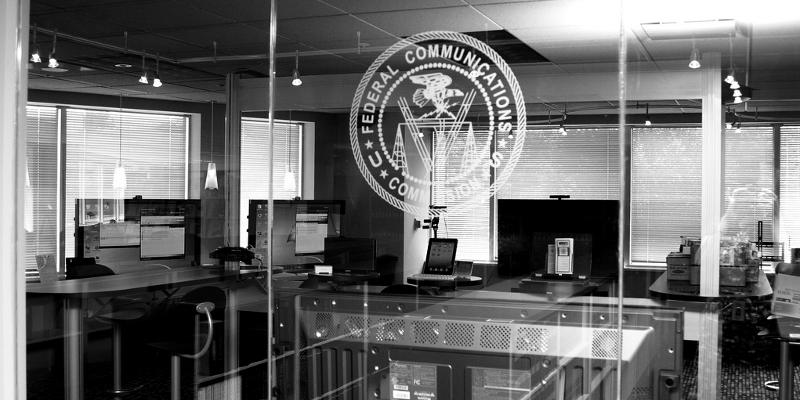

And we are back in United States where the discussion on the protection of privacy is centered around regulations established by the Federal Communications Commission (FCC). On 27 October 2016 the agency approved a set of rules that would compel your internet service provider to ask questions before gathering and storing information about you such as your usage of applications and browsing patterns. The measures they take are generally in line with other customer protection regulations as a whole, but here’s one question we may not be asking enough: Are these measures actually going to protect privacy in general for people on the Web?
Are ISPs Selling Data?

When assessing the effectiveness of the measure passed by the FCC, we should first ask ourselves whether the phenomenon it is addressing is actually happening. And it turns out that this is true! One of the biggest culprits in the United States happens to be AT&T which has been known (funnily enough) to sell data to the U.S. Government. Although the majority of scandals surrounding the company’s data collection are centered on government, parts of AT&T’s privacy policy does have provisions that allow them to use data such as your account and network usage information for more targeted advertisements.
The FCC’s decision does not encompass all forms of data since AT&T (for example) cannot simply stop storing your account and billing information. Mostly the measure affects things that are uniquely relevant to private individuals and private businesses.
More on The FCC Privacy Measure

Although the crux of this new FCC regulation is the restriction of what data can be stored and collected, it doesn’t outright forbid the practice. Rather than make the process an opt-out kind of deal where your ISP collects your data until you tell it (or pay it) to stop, it is now an opt-in scenario where ISPs are no longer allowed to do this until they have your explicit permission.
Of course there have been other attempts to limit the ability for ISPs to encroach on their customers’ privacy, but what sets this piece of regulation apart is the fact that it requires telecommunication providers to request your approval at the point of sale and then ensure that you are informed of what they are asking for (chapter III, section D, paragraph 3, or paragraph 221).
How Does This Affect Privacy?
The effect of this is most likely going to be one of the ISPs telling their potential customers that the data collection is for analytical purposes to help them improve their services, which isn’t necessarily a lie. It’s likely that they will at least be less inclined to sell your data to advertisers. And this probably does nothing to stop ISPs from setting their base price for services higher (since everyone is by default opted out) and then offering a cheaper alternative if the customer agrees to data collection and storage.
Throughout history, rules created by the FCC have consistently asked ISPs to do something with the intention of protecting customer data from private entities. This is peanuts compared to what can happen when the state has access to telecommunication users’ data (as would be the case in the NSA’s PRISM project), yet there is little headway in that department. It is practically needless to mention the fact that a state agency can do more damage to private citizens than an advertiser could.
What do you think? Should the FCC step up ISP regulations to continue its effort to protect customers’ interests? Or is this a waste of time? Tell us in a comment!