
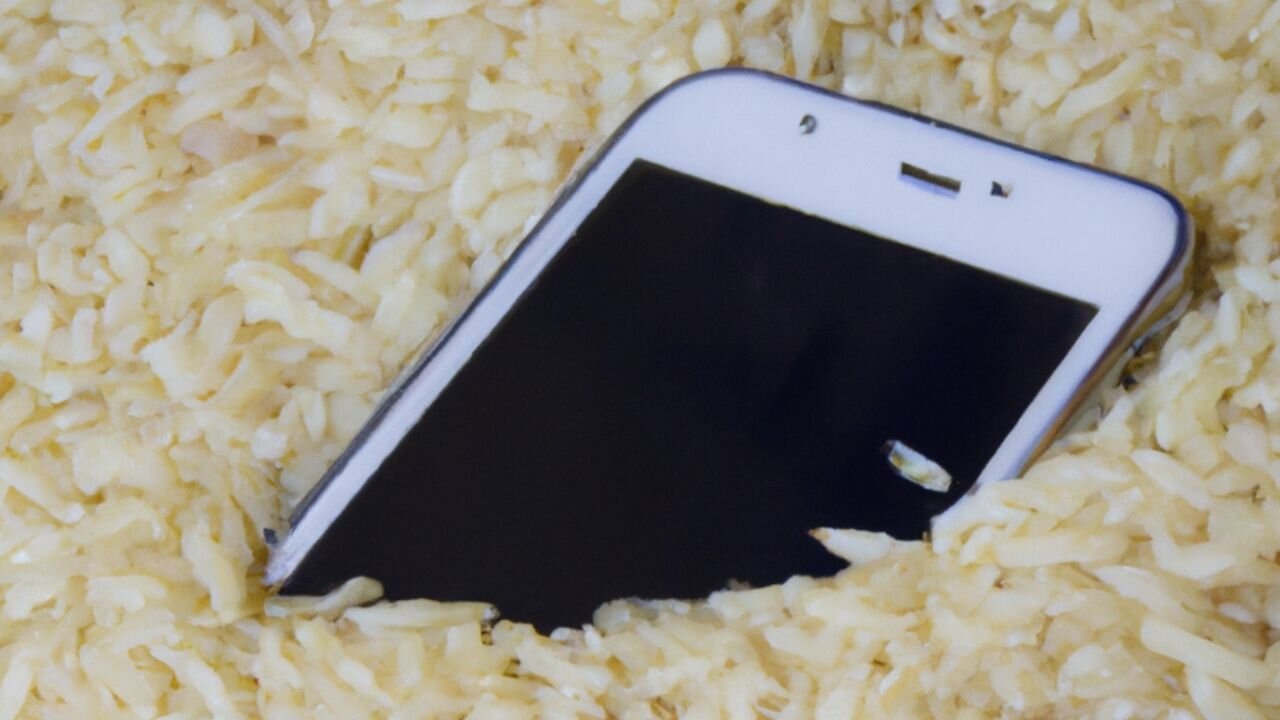

Since cell phones first found their way into our lives, we’ve been hearing that we should put them in rice if they get wet. But will that really save your phone, and is that really the best solution? Apple says no. A new support document discussing the new liquid-detection alerts on iPhones states that you should not put your iPhone in rice after it gets wet, but it does give some good options to rectify the situation.
[mte_toc]Accidental Spills and Drops
No matter how careful you are, most of us have been there, facing a phone that has been caught in the rain, fallen in a sink full of water, or been sitting on the table when a beverage has spilled on it. We’ve dutifully let them sit in a bag of rice for 24 hours, hoping that would save them.
I have done that, and I can say it never really worked. But when you’re in a full-out panic over your phone getting wet, you’re ready to try anything and everything. Many of us are very attached to our phones, so to think of being without them is hard. But the question remains on whether it would work.
Liquid Detection Alert
When I have taken a malfunctioning iPhone into the Genius Bar at Apple, they have been able to tell that it had water damage. Now the company is bringing some of that same knowledge to the consumer.
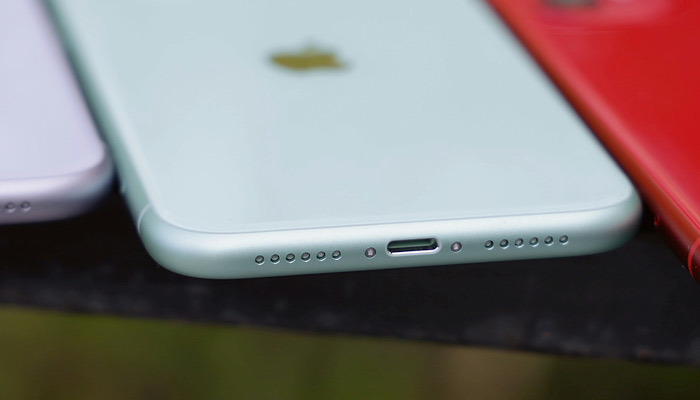
If you connect a Lightning or USB-C cable or accessory to your iPhone XS, iPhone XS Max, iPhone XR, or later, your phone will show a warning that there is liquid in the connector. To get that message, though, you need to have gotten liquid in the connector and not other parts of your phone.
If you connect via Lightning, you’ll see a message that says, “Charging Not Available. Liquid has been detected in the Lightning connector. Disconnect to allow the connector to dry. This may take several hours.” If you connect to an accessory or charger with a USB-C to USB-A cable, the message will read, “Liquid Detected in USB-C Connector. Disconnect charging cable to prevent damage to iPhone. Allow the connector to dry. This may take several hours.”
Apple explains in a support document, “If you charge your iPhone while the Lightning or USB-C connector is wet, the pins on the connector or cable can corrode and cause permanent damage or stop functioning, causing connectivity issues for your iPhone or accessory.”
Tip: is the Wi-Fi not working on your iPhone? Learn how to fix it.
But What About the Rice?
Apple further lays out in the support document how to go about handling your phone, should it get wet. It suggests that you:
1. Tap your iPhone against your hand with the connector facing downward, removing any liquid that’s in there, then letting it dry.
2. Try charging after at least 30 minutes.
3. If you see the alert again, it means there’s still liquid in there. Leave your iPhone to dry again for up to a day, trying to charge again at any time during this period. But it may take a full 24 hours.
4. If your phone is dry and still not charging, unplug the cable from the adapter and the adapter from the wall, then reconnect
Apple also specifically says to not use compressed air or an external heat source, to not insert a foreign object, like a paper towel or cotton swab, and to not put your iPhone in a bag of rice. The support document states that small particles of rice could damage your iPhone.
Good to know: learn how to dry out your other electronics and how to clean earbuds and headphones safely.
Charging Wirelessly
Apple further suggests that while you shouldn’t charge your phone if it’s wet, you may need to if an emergency arises. The support document suggests that you reconnect our iPhone, override the liquid detected alert, and charge your iPhone.
However, a far better idea would be to use a wireless charger, after you make sure the back of your iPhone is dry before placing it on the charger. If you don’t have a wireless charger, try a HIRAGI 3-in-1 Magnetic Wireless Charger. You can use it with iPhone 12 and up, AirPods, and Apple Watch. Get it now for 33% off and pay just $12.72. (Buying through this link may earn us a commission, at no extra cost to you.)
Image credit: DALL-E