
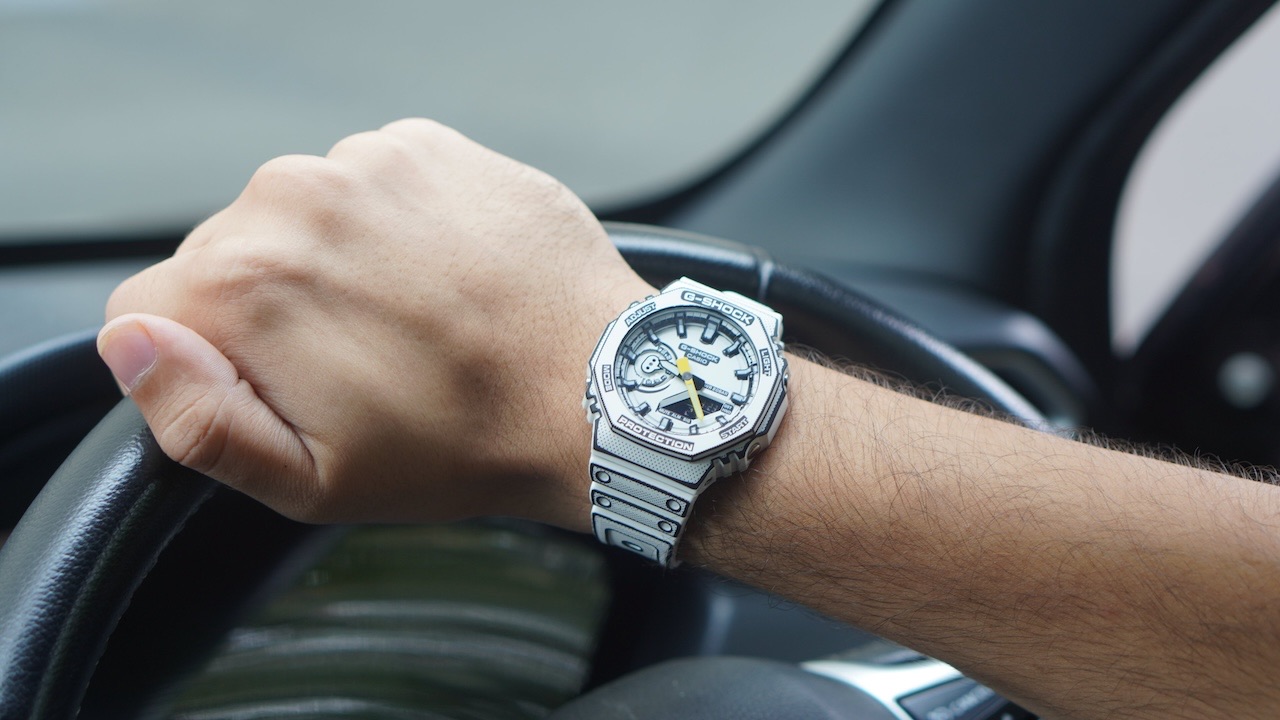

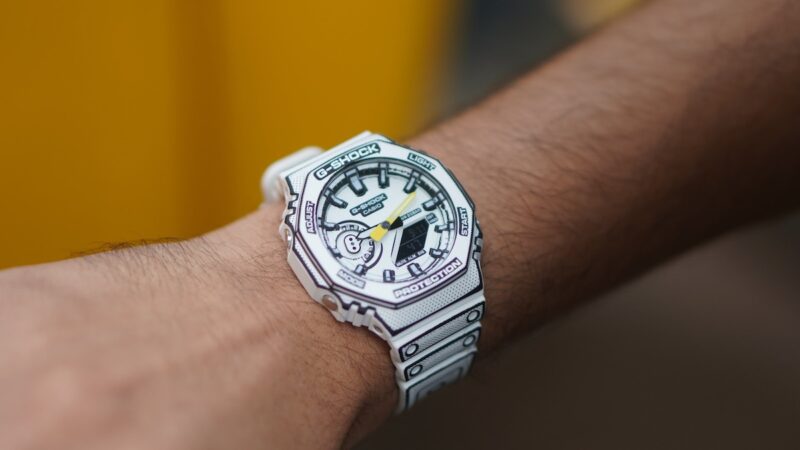
I considered myself to be a wristwatch connoisseur back in the day. From retro Casios to timepieces with a built-in calculator – I had them all. That is until I got my first smartwatch. I’ve used all the best smartwatches out there and never wanted to switch back to an analog timepiece – until the Casio Manga Edition G-Shock caught my attention. I couldn’t resist getting one, so the unthinkable happened. I ditched my smartwatch, and the experience was eye-opening, to say the least.
Day 1: Switching to a “Dumb” Watch
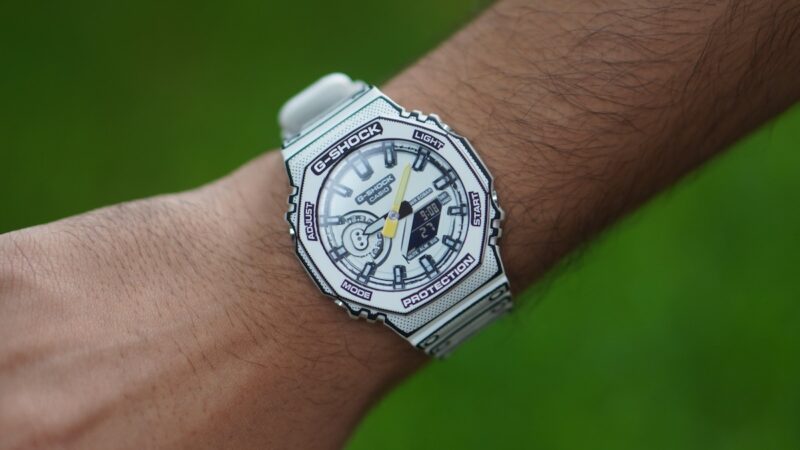
The primary reason behind moving away from a smartwatch for me was how attractive Casio’s Manga Edition G-Shock looked. I knew my new watch would surely turn a lot of heads, but I didn’t realize there would be other benefits to ditching my smartwatch.
Over the years, my smartwatch became the source of all my notifications. So, every time I got a call or received a message, I would see it on my smartwatch and decide to act on it. As a result, I would involuntarily keep glancing at my wrist expecting notifications. This was an issue, especially when I was talking to someone or in a meeting.
It’s odd and borderline disrespectful to keep looking at your watch in such a setting. But, I’d formed a habit of looking at the smartwatch every time it vibrated, so it was extremely difficult to avoid looking at it to see who sent me a message.
With a “dumb” watch, I found myself looking at my wrist a lot less. In turn, I was less distracted when working. I could speak to my friends and colleagues without glancing down at my wrist so often.
While this may not seem like a huge deal, it allowed me to enjoy the moment I was in without being constantly worried about who was emailing me. Moreover, the watch’s unique looks were a conversation starter, so it even allowed me to engage more with the people around me. This kept me away from screens for a while, which was a big plus.
Day 2: Less Anxiety, More Time
Speaking of screens, I realized that not wearing a smartwatch indirectly reduced my screen time on my smartphone. This was mainly because I was interacting with fewer notifications, enabling me to stay away from endlessly scrolling on social media feeds.
I used Focus Modes on my Mac and iPhone to notify me of important notifications, and I would only interact with them. Just as an example, on an average day with my smartwatch on, I would clock close to four hours of screen time on my iPhone. When I didn’t use my Apple Watch for a week, my screen time dropped to three hours and four minutes. That’s a substantial reduction which my eyes will surely thank me for.
Along with reducing screen time, the lack of a smartwatch also brought down my anxiety levels. I was less worried about getting a response from clients since I wasn’t constantly staring at my watch to light up. Moreover, I was also less anxious about closing my Apple Watch fitness rings. Otherwise, those incomplete rings would be staring at me all day, adding to my stress levels.
Day 4: Missed Calls and Notifications
Everything wasn’t rosy without my beloved smartwatch. Every time my phone was on my desk when working, I could easily spot and receive incoming calls or reply to important texts. However, the moment I put my phone in my pocket, I would miss several calls and notifications since I couldn’t feel the vibration. My phone’s almost always on silent mode. Hence, a smartwatch would tap my wrist gently and notify me.
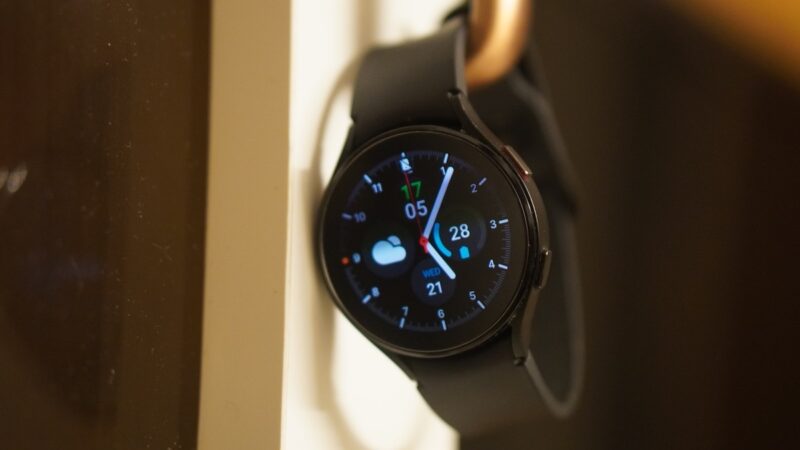
“Easy. Put your phone on loud.” If that’s what you’re thinking, you’re right. It is indeed a simple solution to this problem. However, I work mostly out of co-working spaces or closed rooms where I wouldn’t like my phone to ring loudly. Moreover, in a country like India where noise levels outdoors are through the roof, there were instances when I couldn’t hear my phone ringing while walking through a street full of traffic.
You see, it’s a double-edged sword. On one hand, I like that not having a smartwatch allowed me to be distraction-free. At the same time, I wouldn’t want to miss an important call or email.
Day 6: Missing Vital Health Features
Since I’ve worn smartwatches for over a decade, I’ve become accustomed to number-crunching. I want to see how many steps I’ve walked, the distance covered, and the calories burned. When you ditched your smartwatch, you have to say goodbye to these fitness stats.
Now, you may argue that a smartphone can also track these metrics and you don’t necessarily need a smartwatch. However, smartphones aren’t accurate in measuring fitness data. Additionally, using apps like Google Fit to measure this data impacts the battery life of the phone and that’s certainly not what I want.
A good solution to this problem is to use a simple fitness tracker like the Xiaomi Smart Band 9. This way, you can track your fitness data without the distractions of a full-fledged smartwatch.
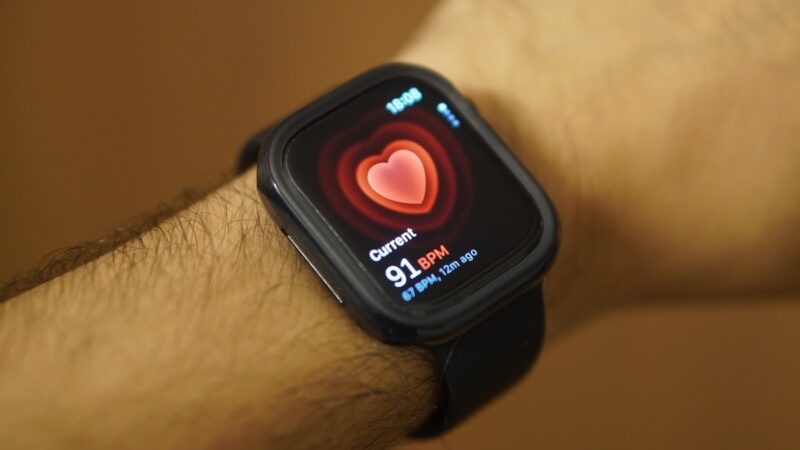
While fitness and activity tracking may not be as important, what I truly missed was all the health monitoring features of sophisticated smartwatches. For instance, the Apple Watch’s high heart rate notification saved my life by intimating me about an irregularity in my health. Then, there’s the ability to take an ECG or measure your blood pressure on the fly with either the Apple Watch or the Galaxy Watch.
These are features that truly make an impact on your life. I feel more protected when wearing a smartwatch because I trust these features. If you’re a senior, features like fall detection and medication reminders can be game-changers. There’s no denying that this is a big miss when moving from a smartwatch to an analog timepiece.
Day 7: Will I Switch Back to a Smartwatch?
Through the course of this experiment, I realized how not wearing a smartwatch took away my battery anxiety. A modern-day smartwatch needs to be charged every single day. There have been instances where I’ve forgotten to put my watch on the charger only to see it die a few hours later. In fact, I once forgot to carry my smartwatch charger when traveling so I had to live without a watch for a week.
The Casio G-Shock goes on and on for years without needing a battery replacement. Having one device less to charge every single night is an absolute boon. These aspects certainly tilt the case in favor of not wearing a smartwatch. However, there are certain aspects I just can’t live without. For example – the health features and timely work notifications when I’m outside.
So, I decided to strike a balance. When I’m working and at my desk, I wear the “dumb” watch since all my notifications appear on my Mac. If I’m headed outside for a meeting or my phone’s not in front of me, I switch to the smartwatch. On weekends, I’ve ditched the smartwatch entirely since I am with my family all the time and want to avoid any distractions. Additionally, I don’t have to deal with urgent work notifications on the weekends.
If you too are planning to ditch your smartwatch, I would say take the plunge and try it for a week. You can then make amends to your lifestyle accordingly and decide when you want to wear it and when you don’t.
This setup has worked wonders for me since I’m getting the best of both worlds. I get to enjoy the luxuries of a smartwatch while also staying away from it at strategic intervals. Plus, I get to show off my beautiful Manga watch that I still can’t take my eyes off of, even months after acquiring it!
All images by Sumukh Rao.