
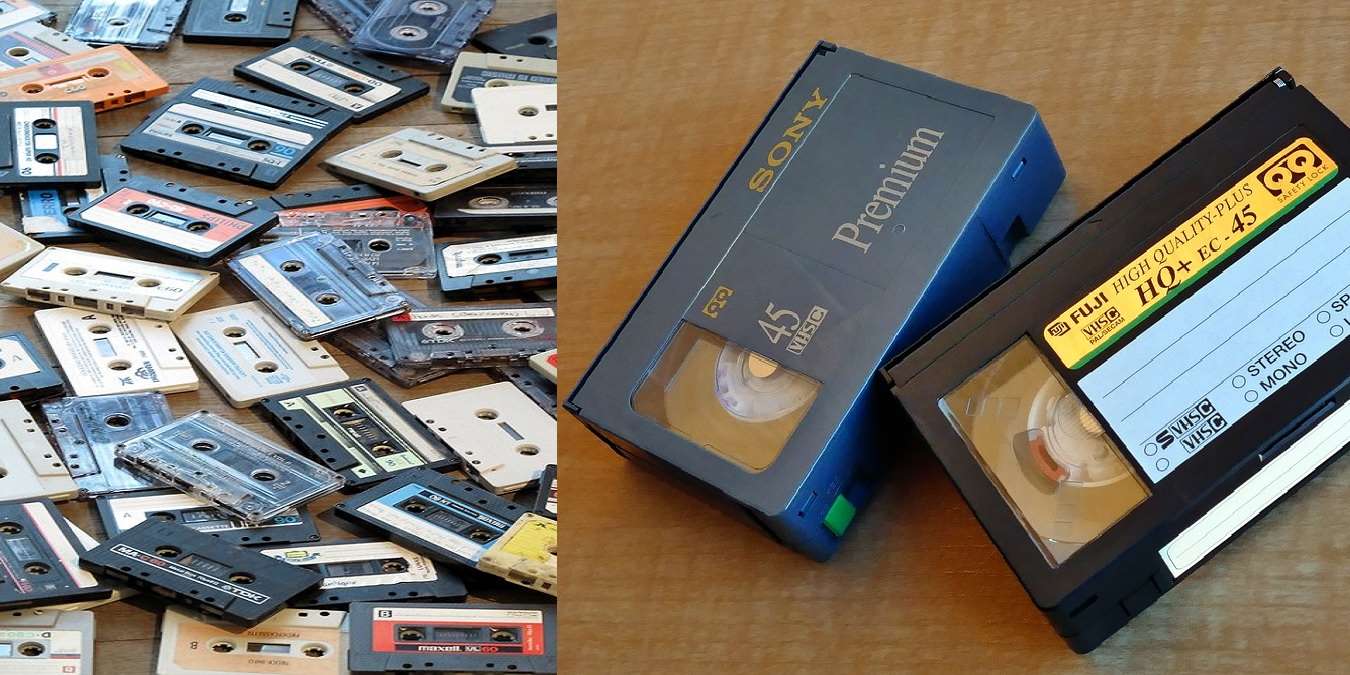

When was the last time you played an audio or video cassette? There are many who weren’t even born when VCRs or Sony’s iconic Walkman were the rage. In fact, you can find online tutorials that teach you how to play a cassette which is hilarious, if a bit sad.
Since these pieces of nostalgia aren’t coming back anytime soon, you might want to digitize those memories. If you have audio cassettes or VHS tapes gathering dust, here is how you can bring them to life.
Digitizing Audio Cassettes
Audio cassettes consist of an analog music tape whose length gives the total playing time. If your cassette tape has been pulled off one of the reels, you need to straighten it out and carefully wind it back up by slowly turning the hubs. As long as the tape is not broken and both ends are available, the audio cassette can be restored.
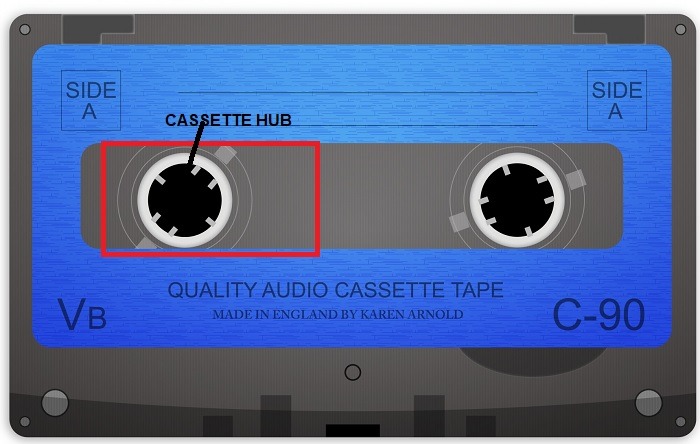
There are chances that you may not have a tape recorder at hand to test and play the audio cassette. Fortunately, the prices of audio cassette recorders have dropped.
You need a USB cassette capture device such as this one by ReShow which is available for $24. What sets it apart from tape recorders and Walkman is that the device is designed to connect to a laptop or PC via a USB cable. (Buying through this link may earn us a commission, at no extra cost to you.)
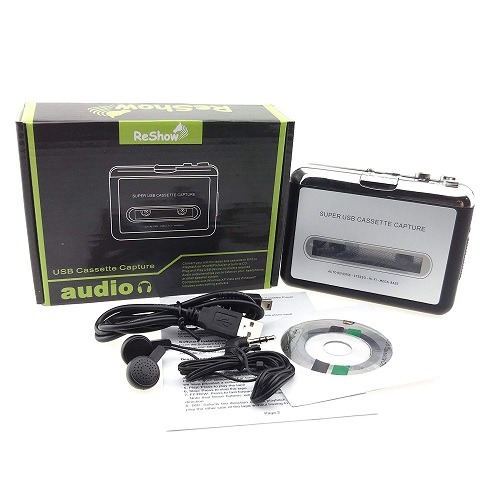
After inserting the audio cassette and connecting the USB audio capture device to your laptop or PC, you will be asked to install a pre-installed software, Audacity.
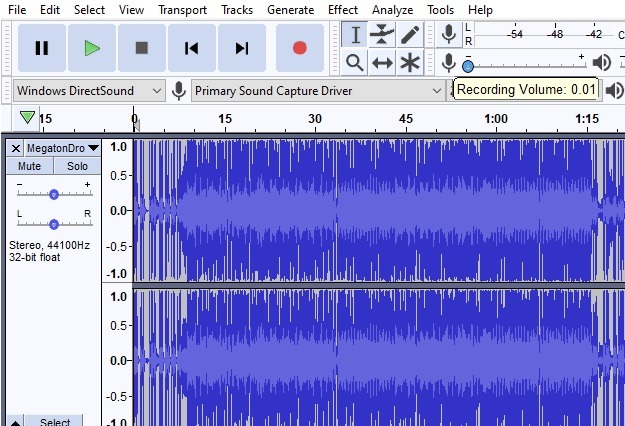
In case it is not available, you can easily download the software for Windows, Mac or Linux. Open it and use the “primary sound capture driver” under “Windows Direct Sound” to record the audio cassette length.
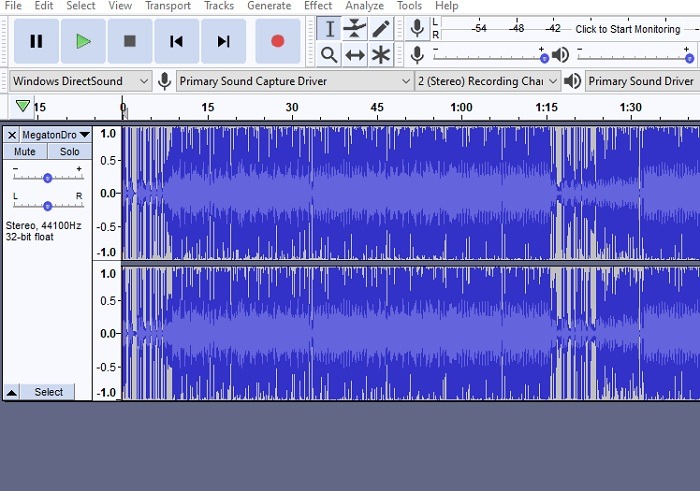
You have to adjust the input volume in Audacity so that your final output isn’t too loud. First bring it down to line level so that you can check the “waveform” while the audio cassette is playing.
Raise the recording volume till what you hear is agreeable. While you’re at it, use Audacity to delete any echoes or bad audio tape segments.
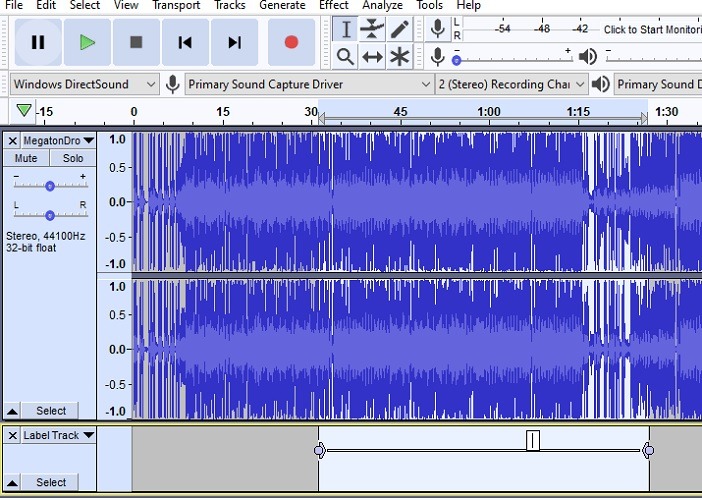
Audacity has another feature called “Label tracks” which can be accessed from the Edit menu. It would allow you to divide your cassette tapes by individual songs or sections.
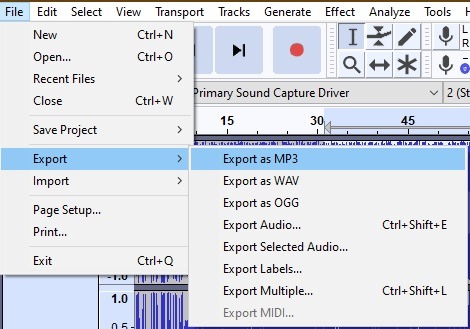
Hit the Record button (red dot), and your audio tape file will be saved. Once the audio cassette has been recorded, you can export the file in MP3, WAV or OGG format.
Also read: Turn Your Android Phone into a Hi-Res Audio Player
Digitizing VHS Tapes
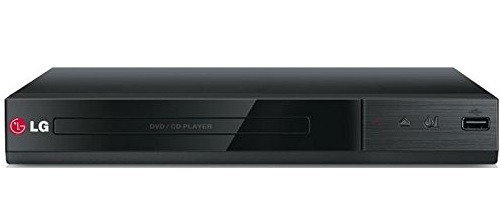
To digitize a VHS tape, you must ensure that the tape is not misplaced. Dust it off and then make sure it can be played on a VHS player. If you don’t have one, you can find an LG VCR player online for less than $50.
You will also need a VHS to DVD video capture device. Diamond VC 500 is a very popular option available for around $35. It comes with a cable and a pre-installed software which is used to achieve the conversion. The USB end of the cable goes to your laptop or PC and the other ends to the designated slots in your VCR.
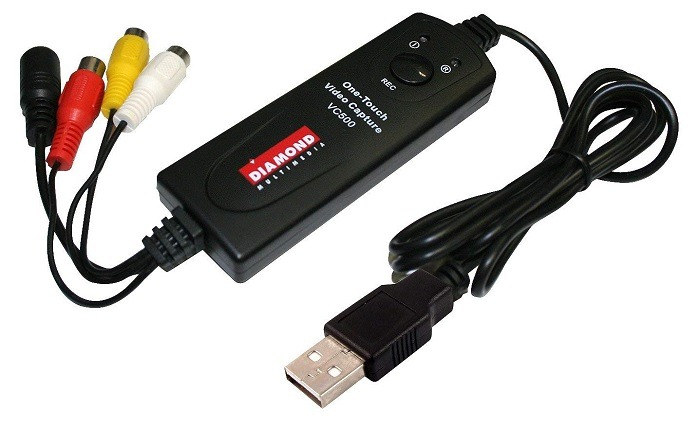
The same company, Diamond Multimedia has also a VHS to digital converter for Macbook users.
The procedure is similar to Windows. The USB end goes to your Macbook and the other end goes to the VCR or camcorder. Here you capture VCR movies using Empia software which is included in an installation CD. iMovie can be used for video editing.
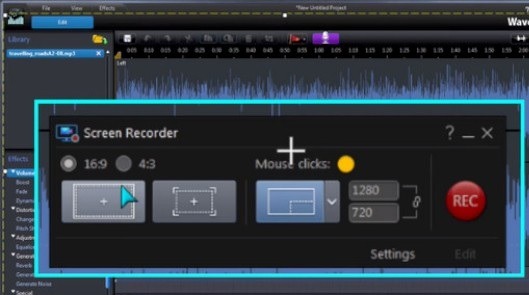
Finally, you will need Cyberlink PowerDirector software which comes pre-installed with the above purchase. Start playing the video cassette on your VCR and review the visuals on your laptop or PC for further edits. You can delete unwanted portions.
Once your correct video portions are available, hit the Record button and it will save the entire video file. You can also burn it to a DVD or upload it to YouTube directly.
Summary
If you’re a twentieth century person, audio and video cassettes would have been an intrinsic experience of your life long ago. The ability to digitize the older tapes can help save your older memories for a perpetual future.
Have you used any tools and devices to digitize your audio and video tapes? Please let us know in the comments.