

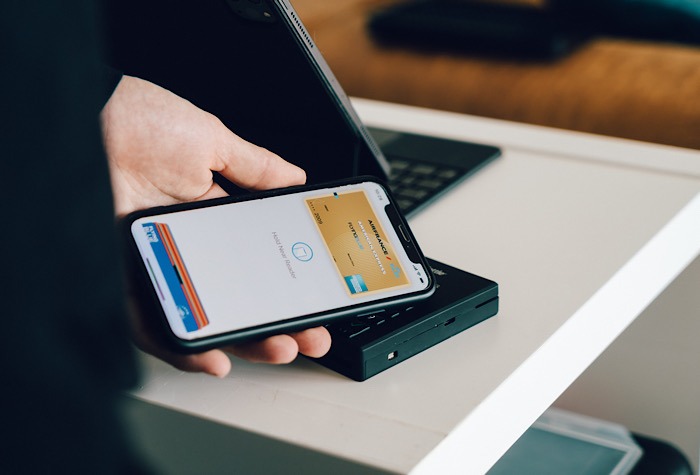
Mobile technology has brought us into a world of keeping our credit cards in a digital wallet. It’s a great convenience. We’re about to have even more convenience. Apple announced it will bring digital driver’s licenses in iOS 15, but will this lead to complete digital wallets for all?
Apple’s Digital Driver’s Licenses
“To be fully free of your physical ID, there’s one more thing we need to bring to iPhone, and that’s your ID,” said Apple Vice President Jennifer Bailey during the keynote at the WWDC this week. “So we’re bringing identity cards to Apple Wallet. It’s that easy! Your ID information is now in Wallet!”
Some may answer that with: “It’s about time!” It seems driver’s licenses are about the only wallet item that hasn’t been digitized. Our credit cards are digitized, along with movie tickets, airline tickets, store loyalty cards – so why not a driver’s license/state ID? It means you can leave your wallet at home and just carry your phone.
But it won’t be that easy – at least not yet. You’ll still need to carry your physical license when you drive, but you’ll be able to use the digital driver’s license when going through the TSA line at the airport. You’ll be able to have both your ID and tickets together. No more fumbling!
Apple isn’t alone with the technology – it’s just the first to release it nationwide. Google has been working on digital driver’s licenses as well. Last year, the technology leader announced new privacy and security standards for handling identity documents on mobile devices. IBM has been researching the idea.
A French security company has already launched digital IDs in some states, and the federal government seems to be on board. The DHS is working on standards for the technology.
All groups working on the technology behind digital driver’s licenses are looking for a secure way to store the information from your driver’s license. Those pushing the idea believe it will be more secure and allow people to have control over their own information.
There are also groups against the idea. Those fighting for civil liberties and privacy believe there could be negative consequences to carrying ID cards on phones. Last month, the American Civil Liberties Union raised privacy concerns and questioned whether people could one day be prompted to download government apps because of that access to their phones.
Unstoppable Train
This leads to the question of whether we will have total digital wallets at one point – whether it will be the norm. Once we have digital driver’s licenses, is that a point of no return?
It does seem that way. Despite the opposition to the idea, there may not be a way to stop the convenience. As with vaccine passports, it would solve a problem, yet there is opposition to both. And the pandemic probably helped prod both along, though we may have reached digital driver’s licenses eventually without the pandemic. But our world is definitely headed toward more digital and less contact.
The idea of digital ID seems to be a train that left the station without a way to bring it back.
Read on to learn all about cryptocurrency hardware wallets and how to verify authenticity with digital signatures.