
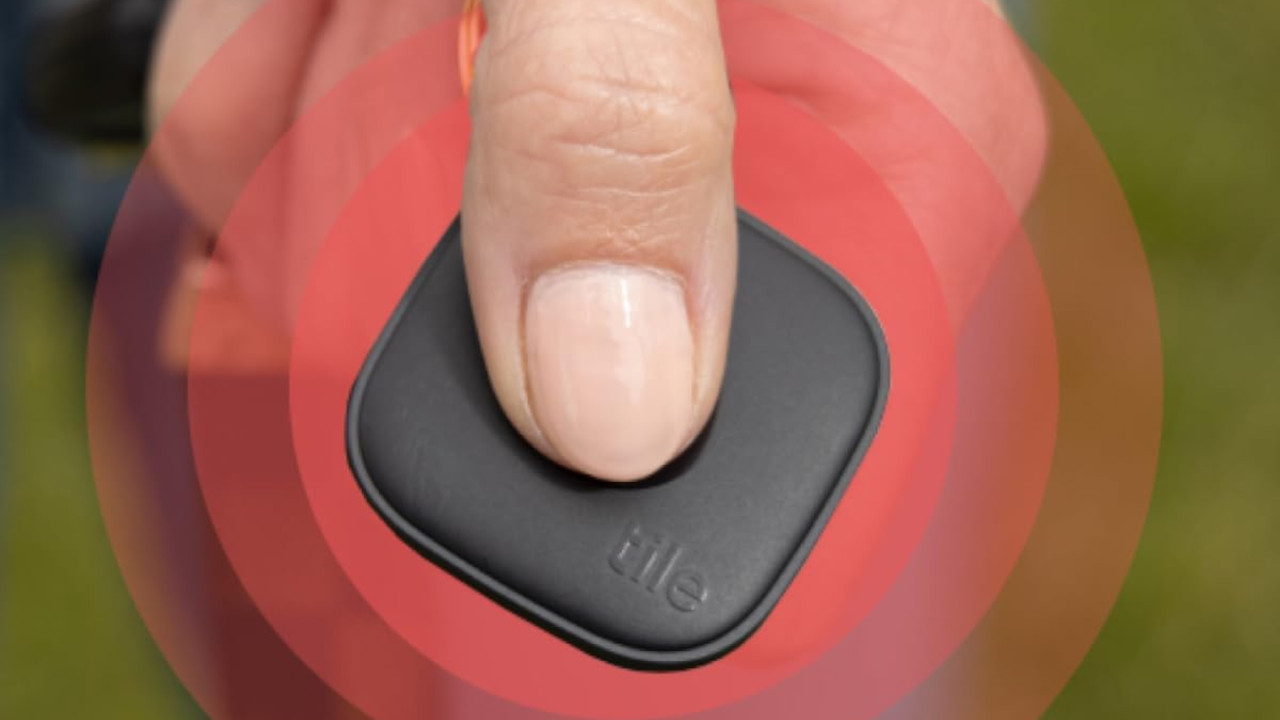

With two kids, two households, a busy work schedule, and a side gig pet-sitting, our family loses things constantly. Backpacks get left at their dad’s house, keys disappear into couch cushions, and more than once, my wallet has fallen out of my pocket while I was checking on someone’s cat. We already use Life360 to keep track of each other — but lately, I’ve realized we also need something to keep track of our stuff.
That’s where these Tile by Life360 trackers come in, and honestly, they feel like the missing piece in our already chaotic system.
Tile Mate: The Everyday Tracker for Keys, Bags, Backpacks
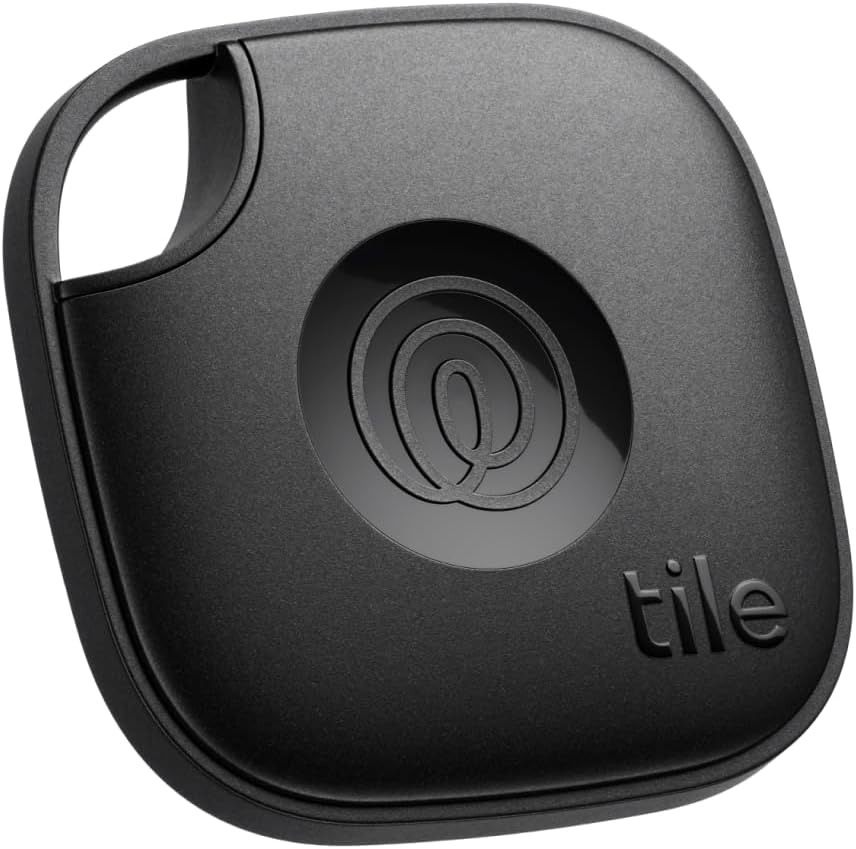
Tile by Life360 Mate
If there is one thing my family misplaces every single week, it’s keys. And backpacks. And lunchboxes. Tile Mate is made for people like us. It attaches to key rings, zippers, and bags, and then shows the item’s location in the Life360 app. I can quickly check if a kid accidentally left their backpack at school or if it got left at their dad’s house again. The Mate has a 350-foot Bluetooth range, a three-year battery, and IP68 water resistance, meaning it can survive being tossed around or rained on without breaking.
My favorite part? If something is lost inside the house, you can just tap “Ring” in the app, and the Tile plays a loud alert — great for those mornings when keys somehow vanish between the kitchen counter and the front door.
Tile Slim — The Wallet- and Passport-Proof Tracker
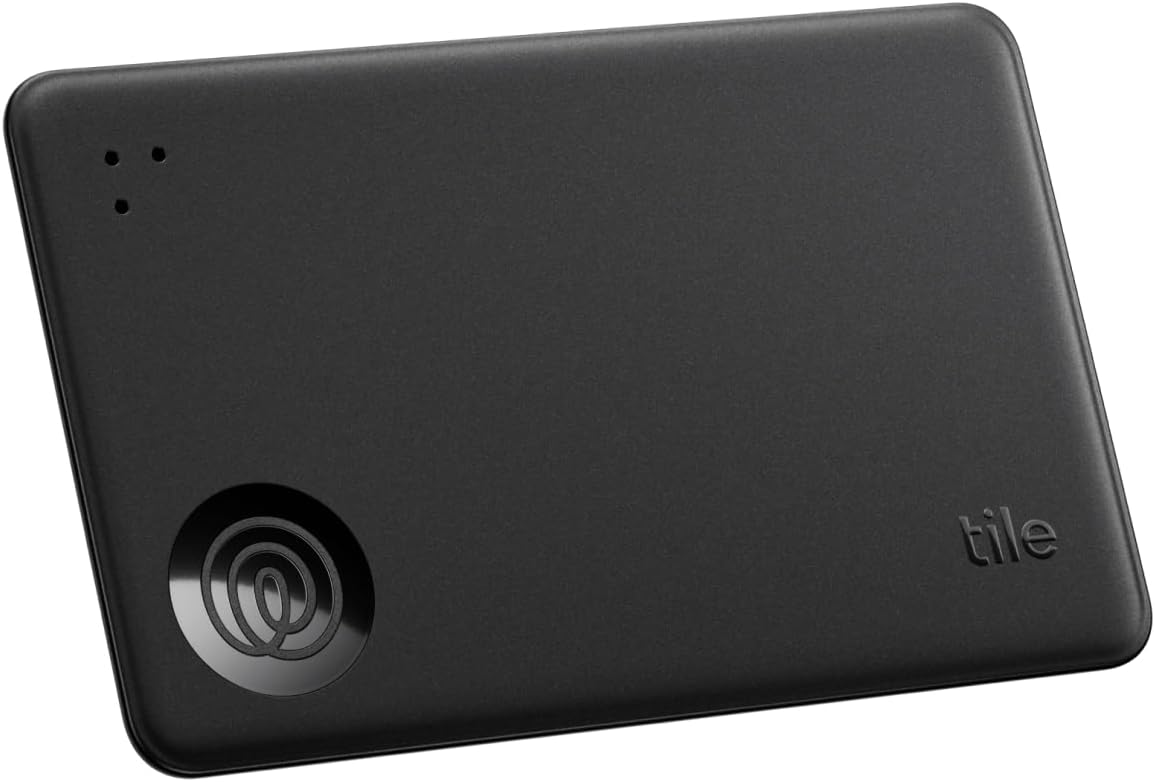
Tile by Life360 Slim
I didn’t realize how often I nearly lose my wallet until I started pet-sitting regularly. More than once, I’ve gotten back in the car and realized my wallet slipped out between couch cushions at a client’s house. The Tile Slim is explicitly built to prevent those moments. It’s the brand’s thinnest tracker — literally credit-card sized — so it slides into a wallet, passport, or luggage tag without adding any bulk. The listing confirms it has the same 350-ft range, three-year battery, and water-resistant design as the Mate.
Another huge bonus: the Slim can also help you find your phone. If I double-press the Tile, it makes my phone ring — even when it’s silenced (which mine always is). You can even use it as an SOS alert through the Life360 app if you ever feel unsafe.
Why These Tiles Make Sense for a Life360 Family
Since these trackers sync with the Life360 app, they show up on the same map we already use for our family. That means instead of guessing where something might be, we finally know exactly where it was last seen.
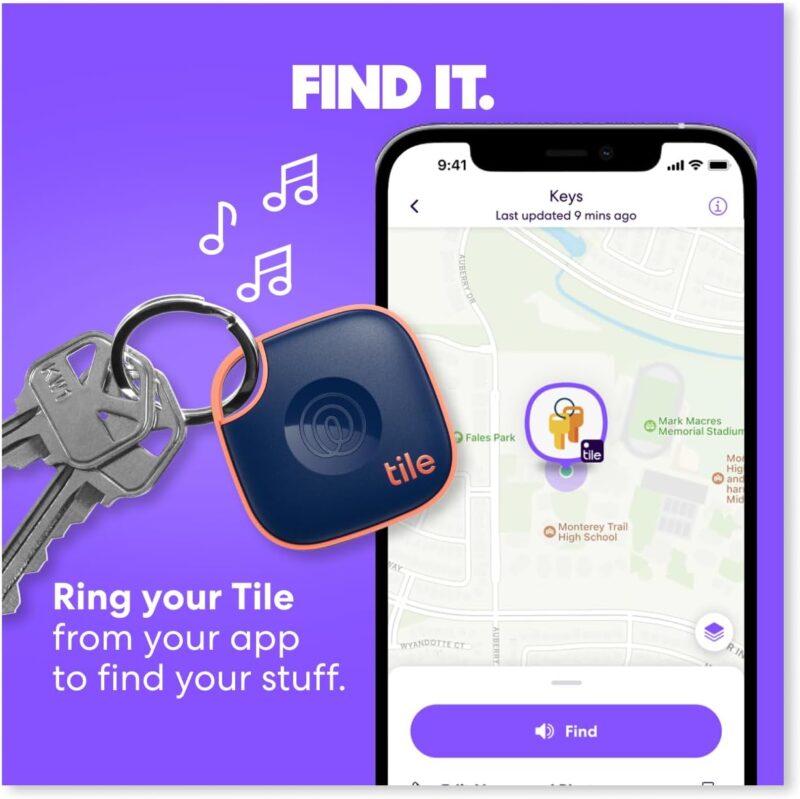
Backpack forgotten across town? Found. Keys buried somewhere in the house? Ring them. Wallet left behind while cat-sitting? No more panicked drive back across the city.
For a family constantly juggling schedules, households, and busy days, these little Tiles take so much unnecessary stress out of the day — and right now, both are heavily discounted, making it a perfect time to grab a couple.
Tile by Life360 Mate — Pay just $14.99 after saving $10 (40%)
Tile by Life360 Slim — Pay just $19.99 after saving $10 (33%)
Make Tech Easier may earn commission on products purchased through our links, which supports the work we do for our readers.