
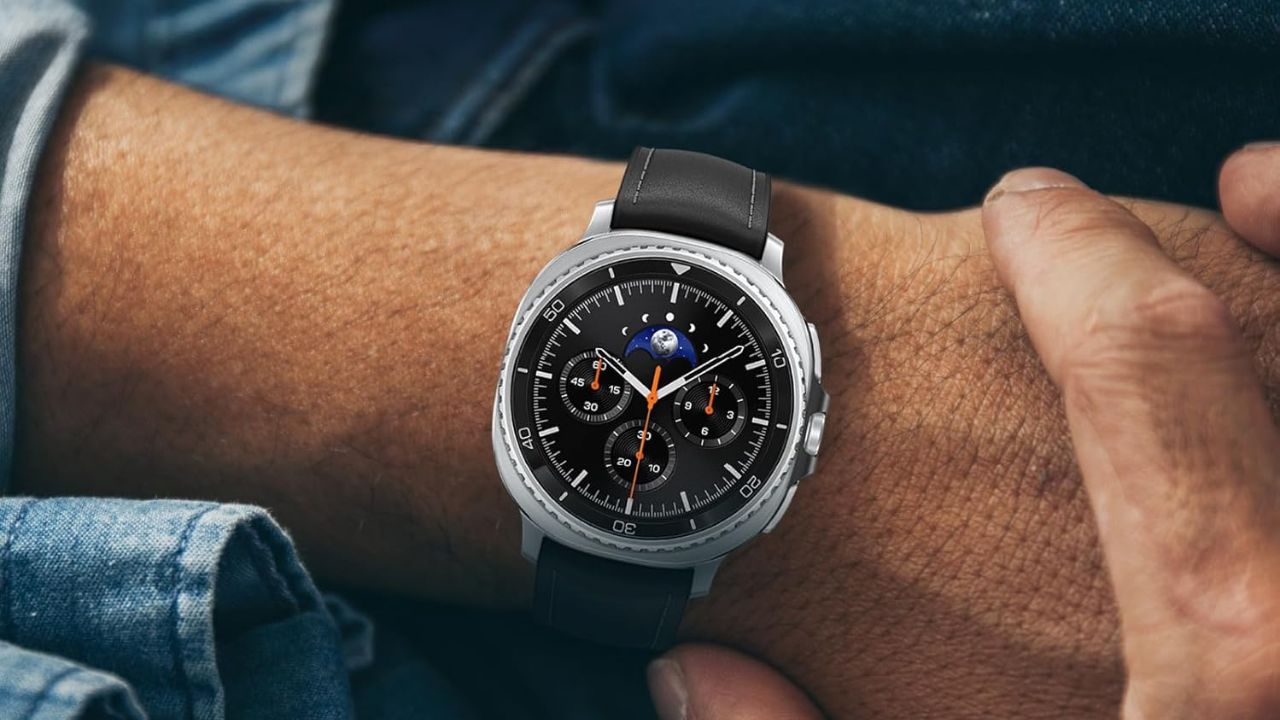

One of the goals I’ve been thinking about this year is being more intentional with how I use technology. Not less tech across the board, just better tech — tools that help me stay on track without constantly demanding attention or pulling me back into my phone. That’s why the Samsung Galaxy Watch 8 Classic stands out to me in a way most smartwatches don’t.
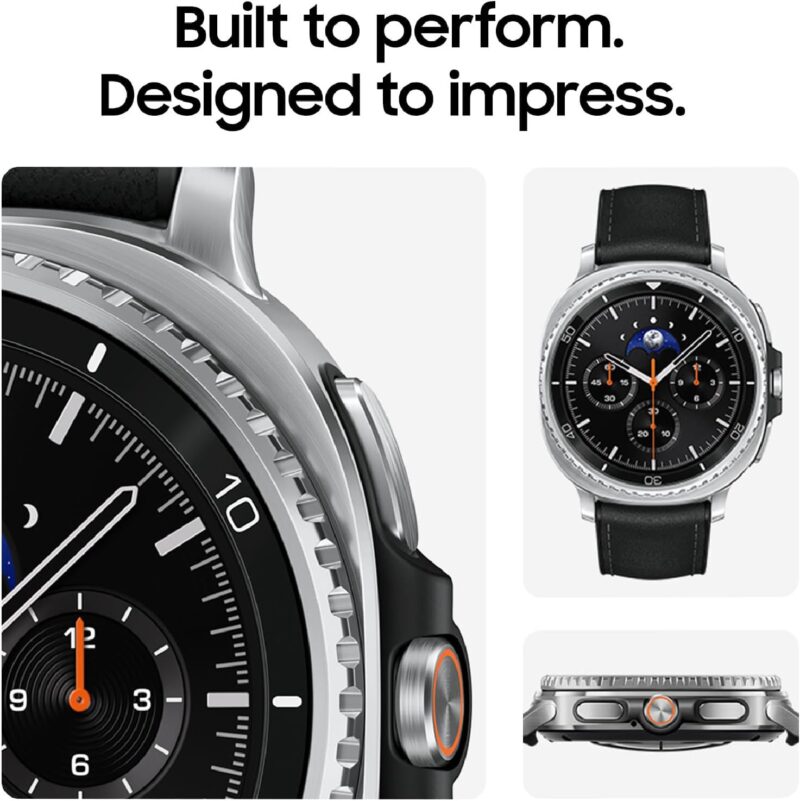
What immediately sets the Classic apart is the rotating bezel. It sounds like a small thing, but in a world where everything is taps, swipes, and notifications, having a physical control feels refreshingly deliberate. Scrolling through notifications, checking stats, or navigating menus with the bezel feels more like interacting with a traditional watch than managing another screen. It’s a subtle shift, but one that makes the watch feel purposeful instead of distracting.
That intentional design carries through to how the watch supports everyday habits. Health tracking is there when you want it, without feeling overwhelmed. The watch quietly tracks movement, sleep, and overall energy levels, giving you useful feedback without turning health into a constant performance metric. For New Year goals like moving more or sleeping better, that balance matters. It’s easier to stick with habits when the data feels informative rather than judgmental.
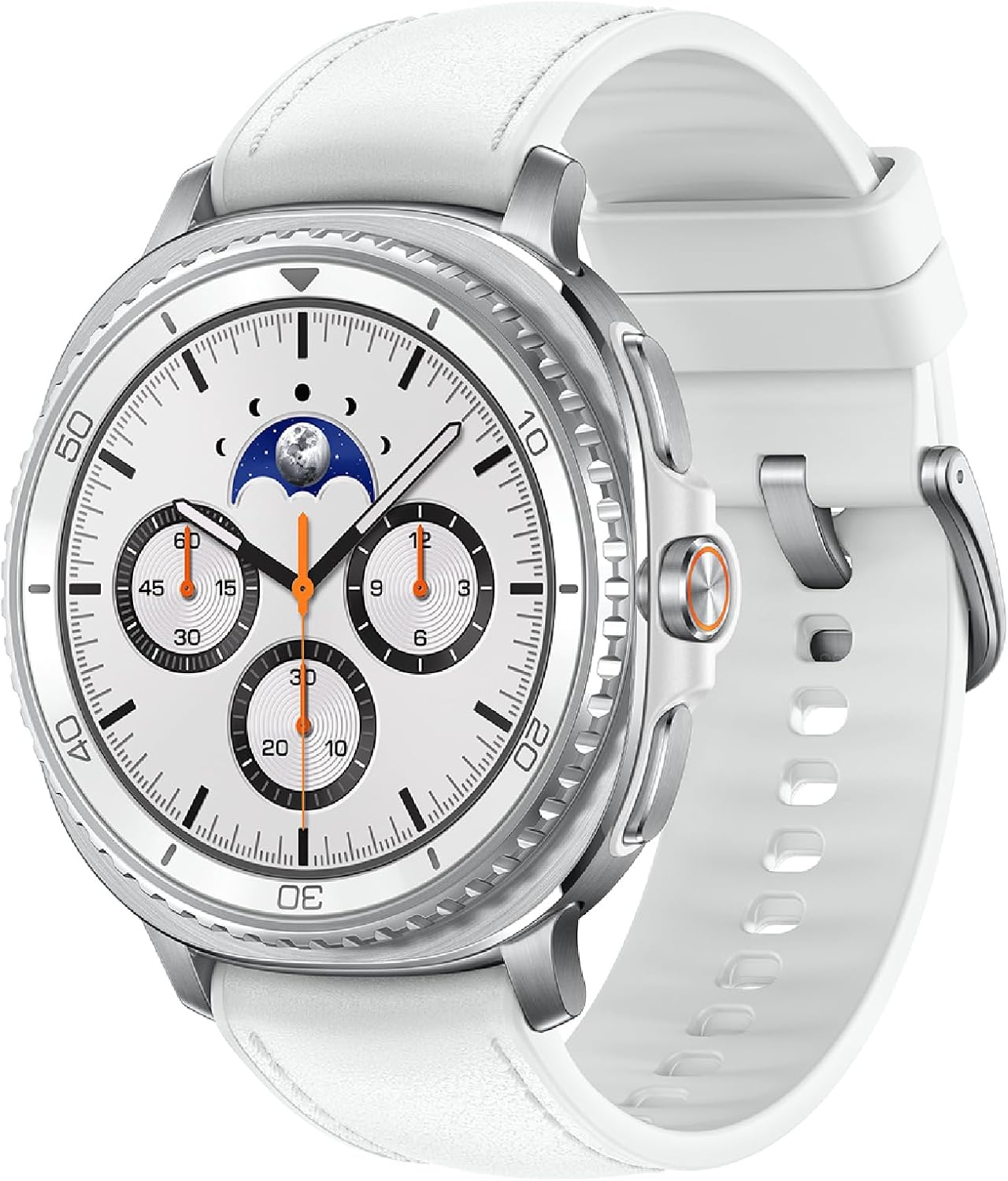
Samsung Galaxy Watch 8 Classic
Sleep tracking is especially appealing here. The Galaxy Watch 8 Classic offers sleep coaching that analyzes patterns over time rather than just assigning a nightly score. If you’re trying to build better routines — earlier bedtimes, more consistent sleep, or simply understanding how rest affects your day — this kind of insight feels more helpful than stressful.
The watch also does a great job of reducing phone dependence, which I’ve been actively working on. Calendar reminders, calls, messages, and alerts come through clearly, so I can glance down and decide what actually needs attention. That means fewer reflexive phone checks and fewer accidental distractions, especially during work hours or busy family days.
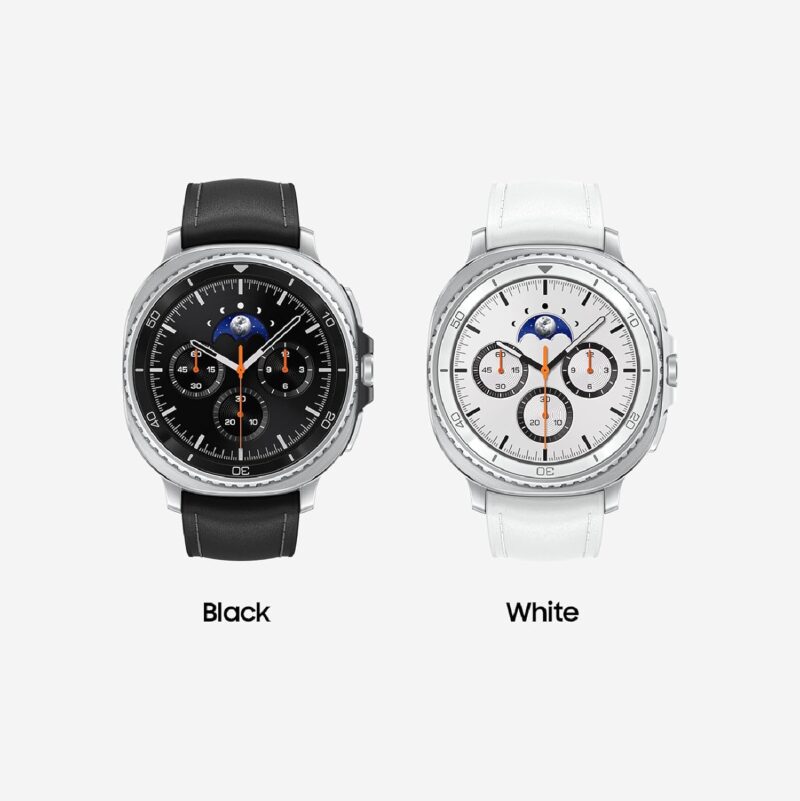
From a design standpoint, this is one of the few smartwatches that truly looks like a watch you’d want to wear every day. The Classic’s more traditional style works just as well with workout clothes as it does in professional settings, which makes it easier to build the habit of wearing it consistently. And consistency is really what makes any smart device useful in the long run.
Right now, you can save 30% on a white Samsung Galaxy Watch 8 Classic or 20% on the black version. Instead of adding another device that competes for attention, this one helps bring a little structure and intention back into daily routines.
Samsung Galaxy Watch 8 Classic — Now $349.99. Save $150 (30%)
Make Tech Easier may earn commission on products purchased through our links, which supports the work we do for our readers.