
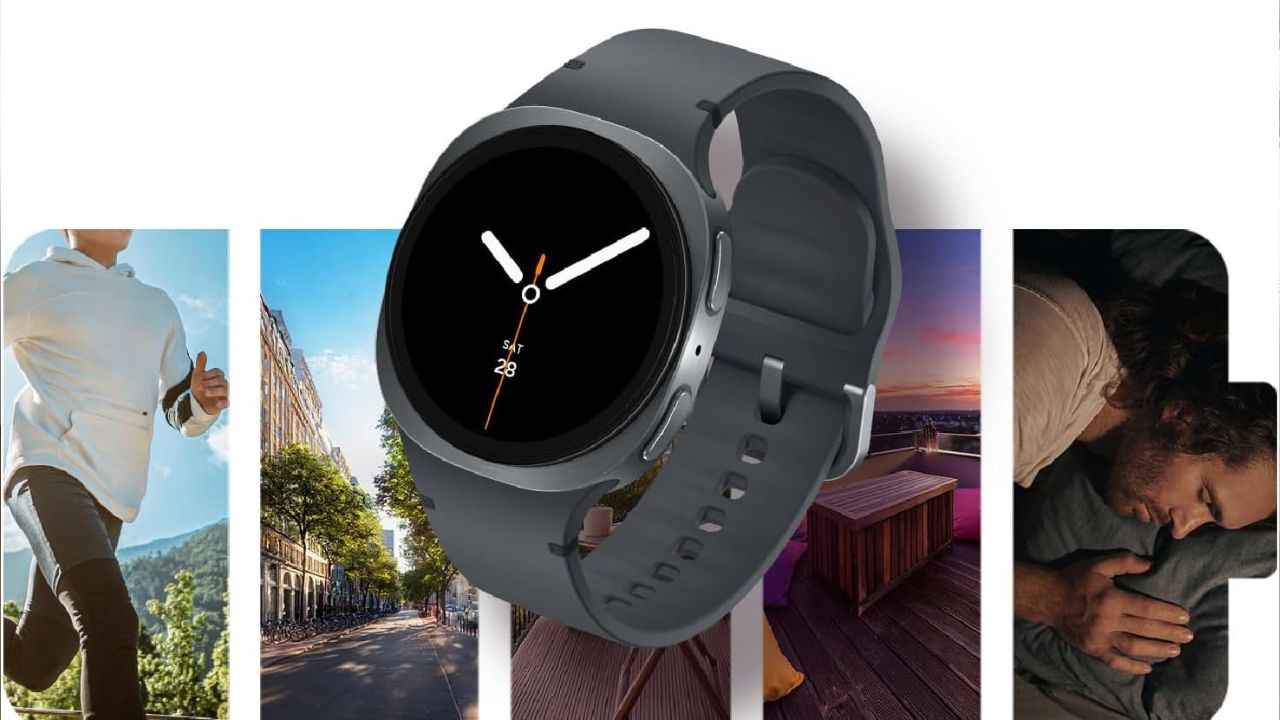

I used to be firmly in the “smartwatches are unnecessary” camp. I thought they were just expensive little screens for people who wanted more notifications in their lives. But then I finally caved and picked up the Samsung Galaxy Watch 8. Now I’m honestly annoyed by how wrong I was. It’s not just a gadget. It’s become one of the few tech purchases that genuinely makes my daily life smoother.
The biggest shift for me has been fitness tracking, and not in a hardcore-athlete way. I walk dogs as a side hustle, so some days I get in 12,000 steps without even realizing it — yet other days I barely move because I’m glued to my laptop working remotely.
The Galaxy Watch 8 keeps me aware of both extremes. The automatic step tracking is wildly accurate, and the “move reminders” have been a surprisingly helpful nudge on those days when I lose track of time editing or writing. I used to roll my eyes at the idea of a watch telling me to stand up — now I actually appreciate it.
Sleep tracking has also become one of my favorite features. The Watch 8 includes Advanced Sleep Coaching and Bedtime Guidance, which helps you understand (and improve) your sleep over time. Personally, I know that sleep significantly impacts my mental health, so understanding sleep patterns is incredibly helpful.
With this smartwatch, I can see patterns for each night: when I fell asleep, how restful the night was, and why I felt tired the next morning. If I notice several days in a row of poor sleep, I can make a note of it and bring it up with my therapist or psychiatrist in case we need to make any changes to my mental health care.
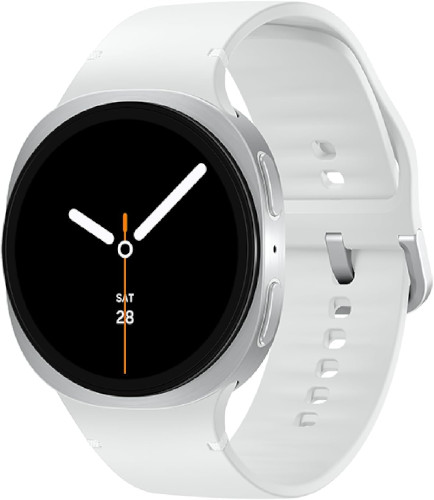
Something I didn’t expect was how comfortable the watch feels. It’s thinner and lighter than older Samsung models, and the interface is extremely smooth. The listing mentions a sleek new “lightweight feel” and improved UI for easy glances, which checks out in daily use. I never feel like I’m wearing a bulky tech device — it just blends in and does its job.
Samsung Galaxy Watch 8
Lastly, the notifications on the Galaxy Watch 8 are often a lifesaver for me. I keep my phone on silent or vibrate most of the time — when I’m in meetings, walking dogs, running errands, or just trying not to get distracted — which means I constantly miss things.
The Galaxy Watch fixes that without making me feel tethered to my phone. If a message comes in, I can glance at my wrist and know immediately whether it’s urgent or something I can ignore. It’s the same with calls, which is especially helpful when I’m driving or when my phone is buried at the bottom of my bag.
Google Calendar notifications also pop right up on my wrist, which has saved me more times than I want to admit. I’ve avoided both missing pet check-ins and forgetting school pickups because of that tiny buzz on my arm.
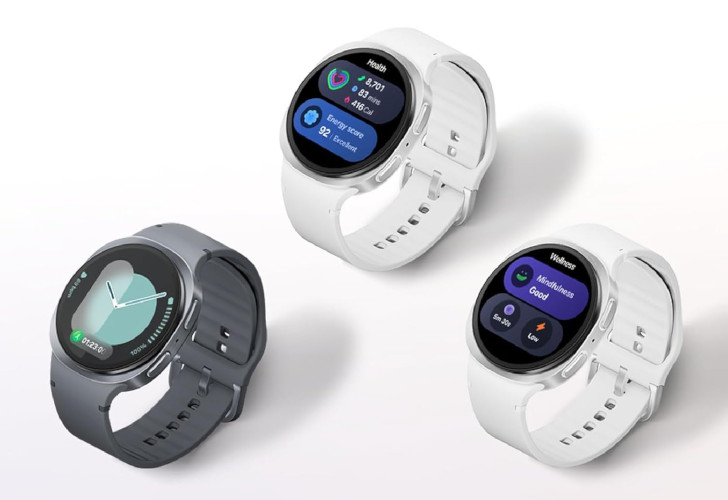
Currently, the Galaxy Watch 8 is on sale for $279.99, down from $379.99, which makes it even easier to recommend. For a device that genuinely improved how I manage my day, track my health, and stay organized, this discount feels like a great entry point if you’ve been smartwatch-curious but not totally convinced. The watch face is available in both silver and graphite, and the watch band is interchangeable, meaning you can purchase a band that fits your style and comfort preferences.
Not sure you’ll like the 44mm diameter face on this device? Samsung also offers a 40mm version, also on sale for $100 off. This makes it just $249.99 for the smaller watch face.
If you’ve ever wondered whether a smartwatch is actually worth it, this is the one that finally changed my mind. And honestly? I wish I had made the switch sooner.
Samsung Galaxy Watch 8 – Now $279.99 – save $100 (26% Off)
Make Tech Easier may earn commission on products purchased through our links, which supports the work we do for our readers.