
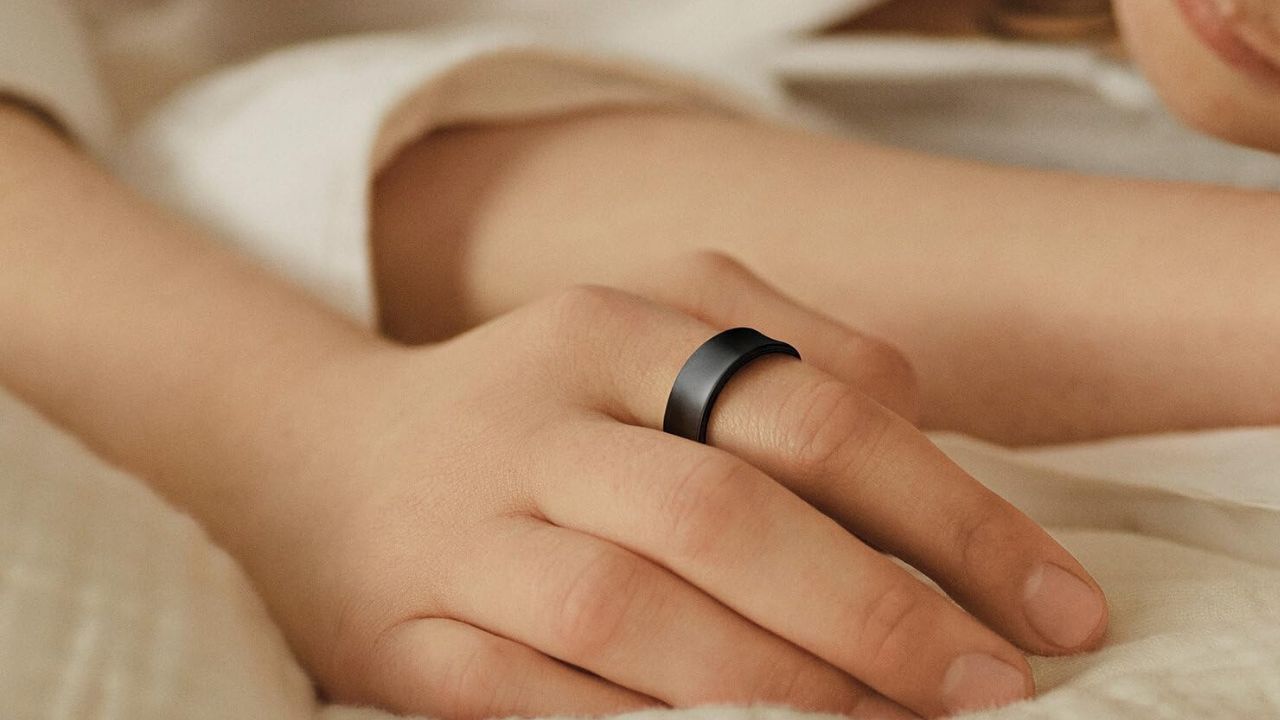

Every January, health goals tend to come with a lot of pressure. Move more. Sleep better. Track everything. Stick with it. And for many people, that pressure is why resolutions fade by February. The problem isn’t motivation – it’s choosing tools that demand constant attention instead of quietly supporting better habits. That’s why the Samsung Galaxy Ring feels like a different kind of health upgrade for the new year.
Instead of asking you to check another screen, manually start workouts, or charge something every night, the Galaxy Ring focuses on passive health tracking. It collects useful data in the background so that you can focus on patterns rather than perfection, which feels far more sustainable when you’re trying to make changes that last.
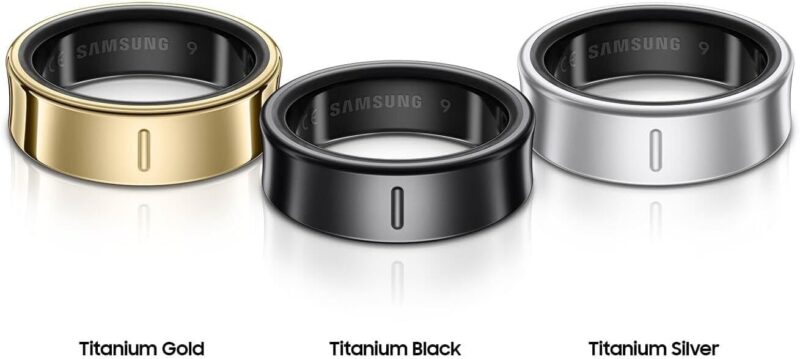
Sleep is one of the most common New Year priorities and also one of the hardest areas to improve. What makes the Galaxy Ring especially appealing is how comfortable it is to wear overnight. There’s no bulky screen, no strap pressing into your wrist, and no glowing display pulling your attention when you’re trying to wind down.
The ring tracks sleep stages, movement, and recovery trends, helping you understand how your nights are actually affecting your days. That kind of insight is useful if you’re working toward small adjustments, like earlier bedtimes, fewer late-night screens, or more consistent routines without turning sleep into another thing to stress about.
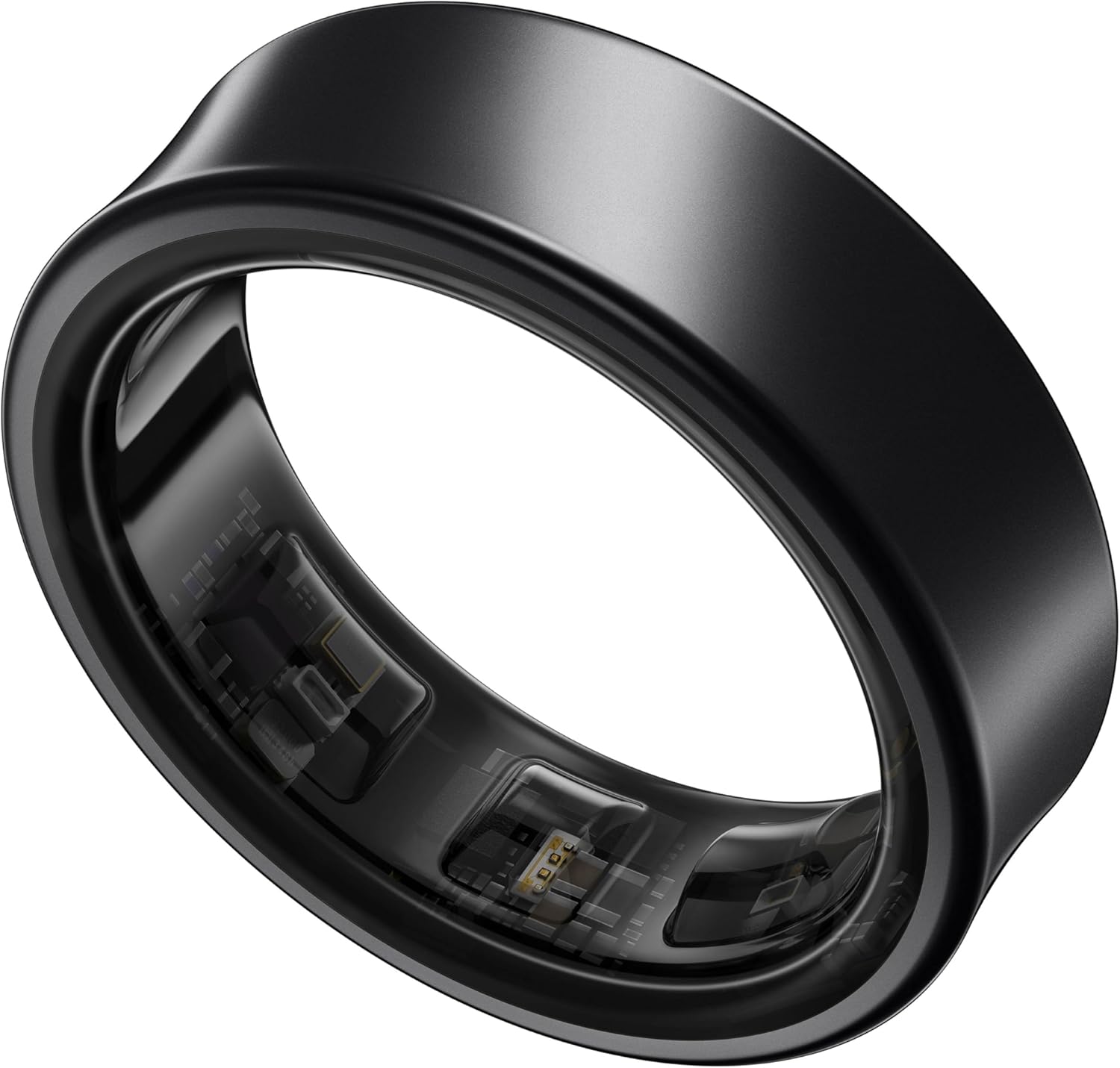
Samsung Galaxy Ring
Not every fitness goal looks like intense training. For many people, it’s about consistency: walking more, sitting less, and being more aware of how active the day really was. The Galaxy Ring automatically tracks steps, activity, heart rate, and energy levels. There’s no need to remember to start or stop workouts, which makes it easier to stay consistent, especially on busy days when movement happens in short bursts. That passive approach works well if your goal is awareness rather than optimization.
One of the biggest reasons health devices get abandoned is friction. Subscriptions add up. Charging becomes annoying. Constantly checking stats can feel overwhelming. The Galaxy Ring avoids a lot of that. There’s no app subscription required to access your data, so you’re not committing to another monthly expense alongside your New Year goals. Battery life lasts up to 7 days, so you don’t have to plan your routine around charging schedules. You wear it, live your life, and check in when it’s helpful – not because the device demands it.
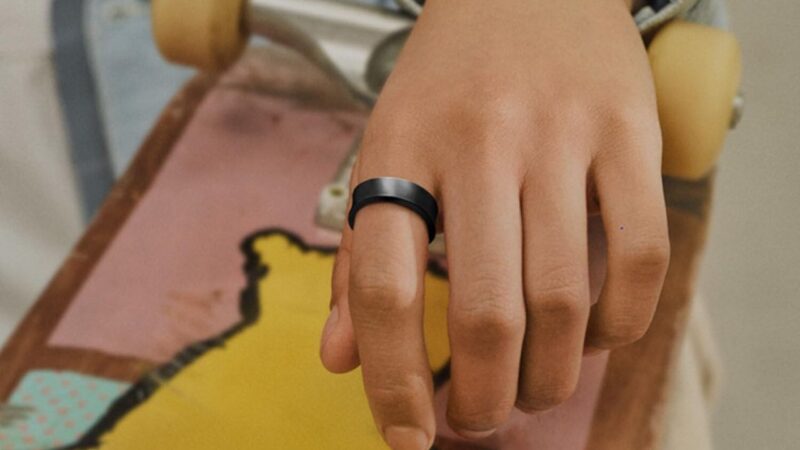
Another reason this ring fits so naturally into everyday life is that it doesn’t look like a fitness device. It’s subtle, lightweight, and easy to wear in professional or social settings without feeling like you’re constantly “tracking yourself.” That matters if you want health insights without broadcasting them, or if you’ve avoided wearables in the past because they felt intrusive or distracting.
The Galaxy Ring isn’t about doing more. It’s about understanding what’s already happening: how you sleep, how you move, and how your body responds over time. That kind of awareness makes it easier to make realistic changes that actually stick. If one of your goals this year is to improve your health without adding more pressure, screens, or subscriptions to your life, this is a refreshingly low-effort way to start. Sometimes the best resolutions are about choosing tools that quietly support better habits in the background.
Samsung Galaxy Ring — Pay $299 after saving $100 (25%)
Make Tech Easier may earn commission on products purchased through our links, which supports the work we do for our readers.