

One of the biggest shifts I’ve made going into the new year is paying closer attention to my health. Not just workouts, but the things that happen outside of them. I’m having a sleep study done this year, and I’ve also been working toward a 5K by building a daily walking habit. Both goals have one thing in common: progress is hard to measure without real data.
That’s what makes the RingConn Gen 2 Smart Ring stand out. Instead of focusing on steps alone or acting like a bulky smartwatch replacement, it zeroes in on areas many of us ignore: sleep quality, recovery, and consistency. (Buying through this link may earn us a commission, at no extra cost to you.)
Sleep has quietly become one of my biggest health priorities, especially with a sleep study on the horizon. What’s compelling about the RingConn Gen 2 is that it’s designed to monitor sleep apnea indicators, not just give you a generic sleep score. The ring uses AI-powered tracking developed alongside universities and hospitals to provide apnea-related insights, including real-time AHI data and sleep pattern analysis.
Unlike traditional sleep trackers or bulky overnight equipment, this ring is lightweight and comfortable enough to wear consistently. That matters, as sleep trends are only useful when you actually stick with the tracking over time. If you’re trying to understand what’s happening at night without adding more stress or gear, this feels like a practical middle ground.
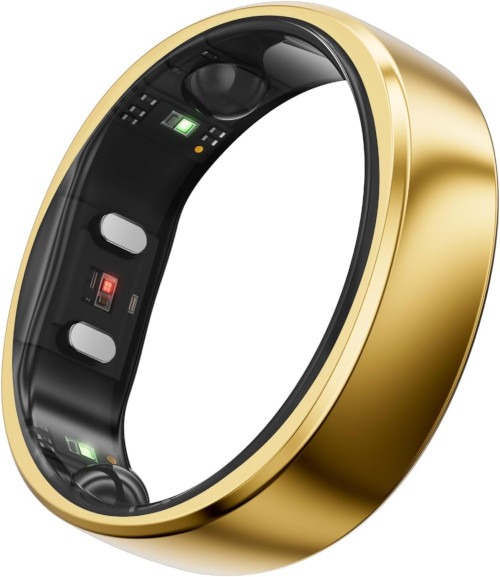
RingConn Gen 2 Smart Ring
Right now, I’m walking every morning for 30 minutes and gradually increasing that time as I work toward a 5K. The RingConn Gen 2 tracks daily activity, steps, heart rate, stress, and recovery without demanding attention or notifications every five minutes.
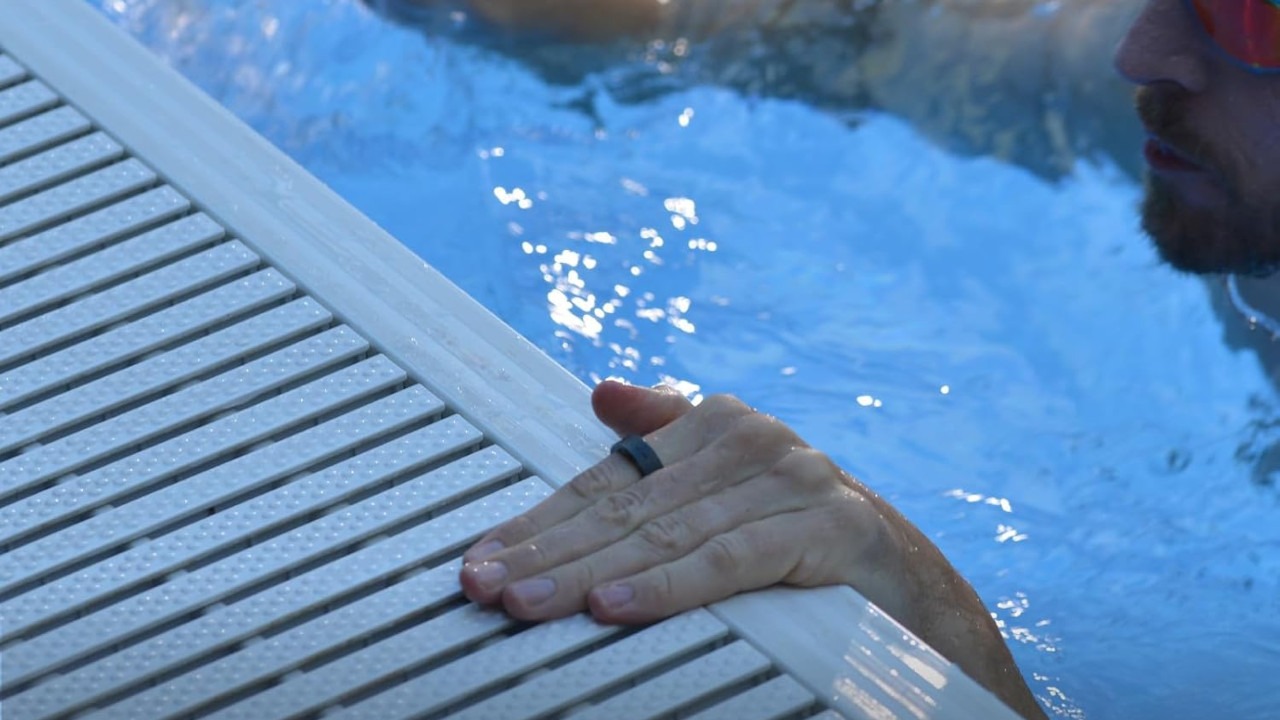
What I like about this approach is that it supports habit-building rather than guilt. It quietly collects data in the background, letting you review patterns over time instead of obsessing over single workouts. And because it’s a ring, it’s easy to wear all day, even while sleeping, showering, or working.
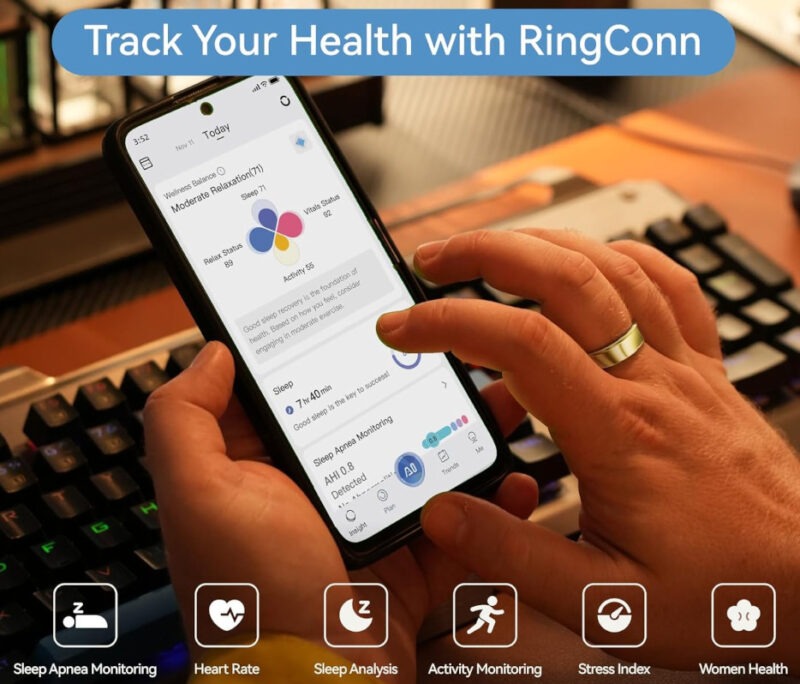
One of the biggest reasons smart health devices lose their appeal is recurring costs. RingConn doesn’t require a subscription to access your data, which is a huge win compared to other smart rings on the market. Buy the ring once and retain access to all features.
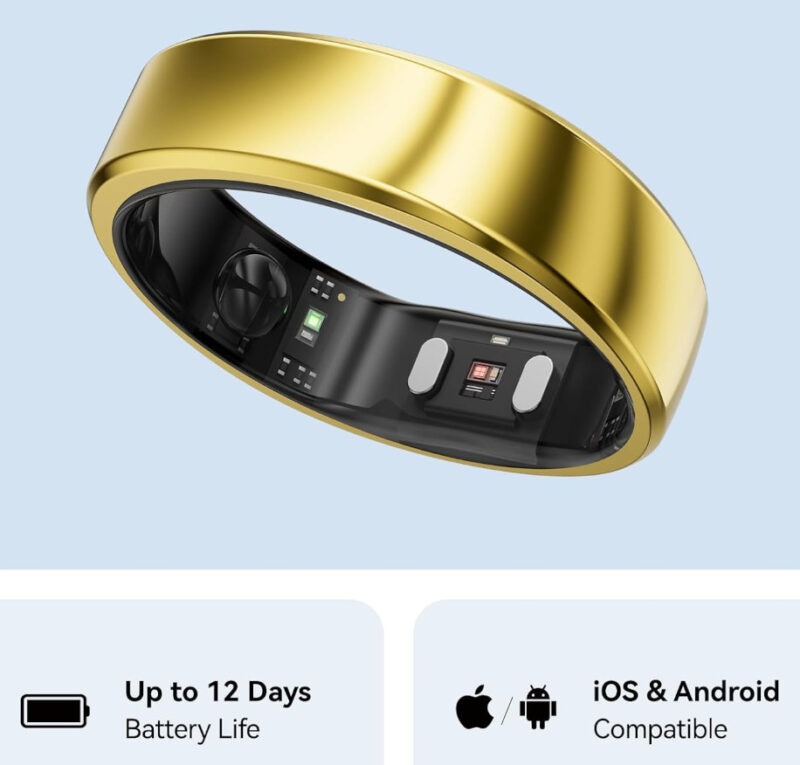
Battery life is another practical advantage. The RingConn Gen 2 lasts up to 10-12 days on a single charge, and the included charging case can extend usage for months. That means fewer interruptions (and fewer excuses) to stop tracking when life gets busy.
At the moment, the RingConn Gen 2 is 20% off, priced at $239.20, instead of $299, and it’s FSA/HSA eligible, making it easier to justify as a health-focused purchase. If your health goals this year go beyond “move more” and into understanding why your body feels the way it does, this is the kind of tool that helps connect the dots. Better sleep, more consistent movement, and fewer unknowns make it easier to stay motivated – and actually follow through.
RingConn Gen 2 Smart Ring – Spend $239.20 after saving $60 (20%)
Make Tech Easier may earn commission on products purchased through our links, which supports the work we do for our readers.