
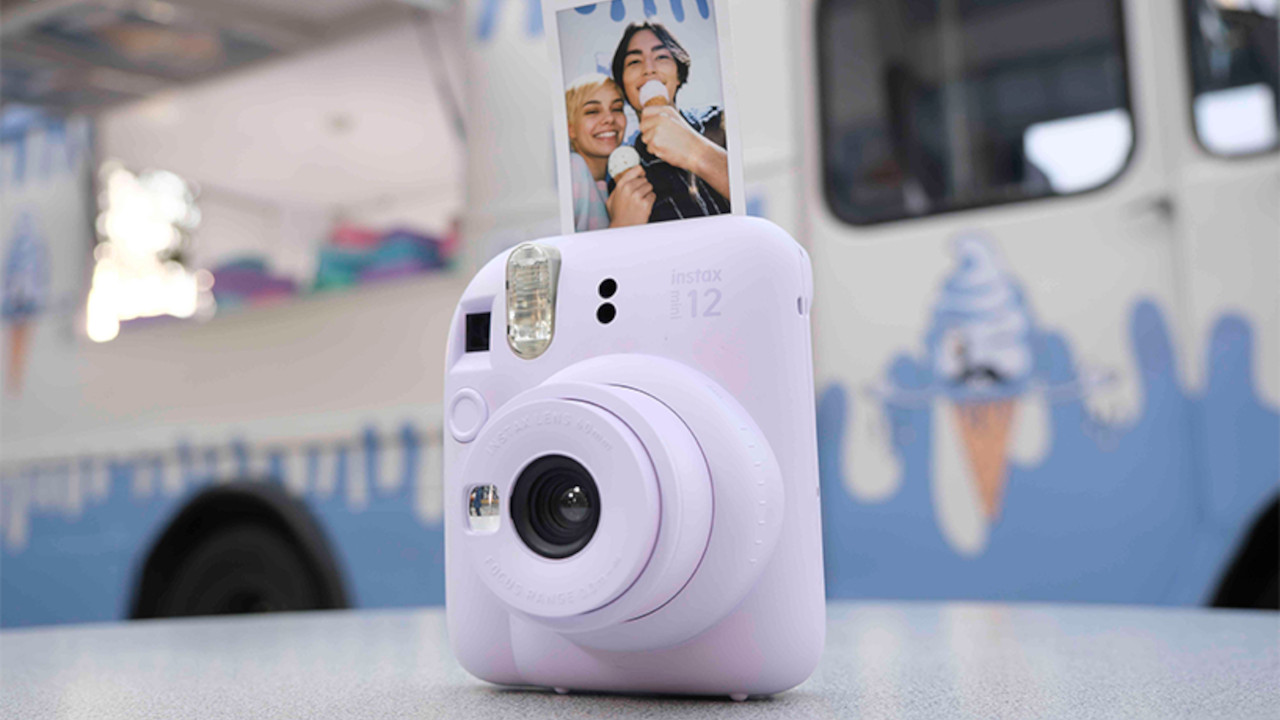

Last Christmas, my mom surprised my 12-year-old with a Fujifilm Instax Mini 12 Camera, and it instantly became one of those gifts that didn’t just get opened — it got used. Constantly. What I expected to be a novelty camera turned into something my kid genuinely carries around, shows friends, and still reaches for months later.
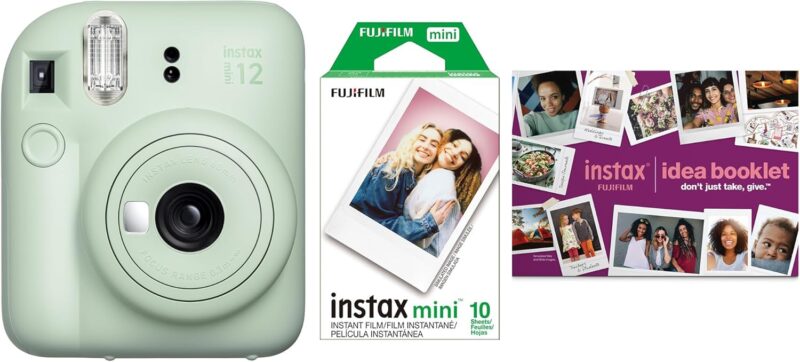
From a pre-teen’s perspective, the appeal is immediate. First, it looks cool. The Instax Mini 12 comes in soft, playful colors: mint green, lilac, pastel blue, and pink, which matters more than adults might think. It doesn’t feel like a “kid toy,” but it also doesn’t feel fragile or intimidating. It’s cute in a way that makes kids excited to take it out at sleepovers, birthday parties, and school events.
What really makes it work for kids ages 12 through 16 is how easy it is to use. There are no complicated menus or settings. You twist the lens to turn it on, point, and click. That’s it. The camera handles automatic exposure and flash, so photos don’t come out dark or washed out, even indoors or at night. According to Fujifilm’s product details, photos print in about five seconds, with full development taking around 90 seconds. To a child/teenager, that feels like magic.
The built-in selfie mirror and close-up mode are huge wins for this age group. My kid uses it constantly for selfies with friends, photos of pets, and little moments they want to keep. There’s something different about holding a real photo in your hands instead of scrolling past it on a phone. Those tiny 2” x 3” prints end up taped to bedroom walls, tucked into lockers, or passed around with friends, and that physical element is what makes the Instax so special.
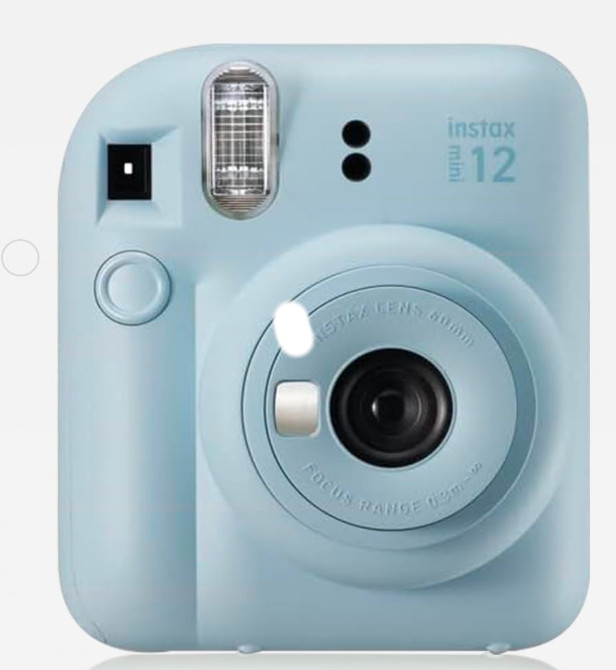
Fujifilm Instax Mini 12 Starter Bundle
Another thing I didn’t expect: how responsible it made my kid feel. As each photo prints instantly, they think a little more before snapping. It’s not endless like a phone camera, and that makes the photos feel more meaningful. Fujifilm even includes an app — Instax Up! — that lets them scan and save their physical photos digitally for later sharing.
As a parent, I appreciate that it’s screen-free, simple, and sturdy. It runs on AA batteries (included), doesn’t require Wi-Fi, and doesn’t connect to social media. It’s creative without being overwhelming — a rarity in gifts for this age range.
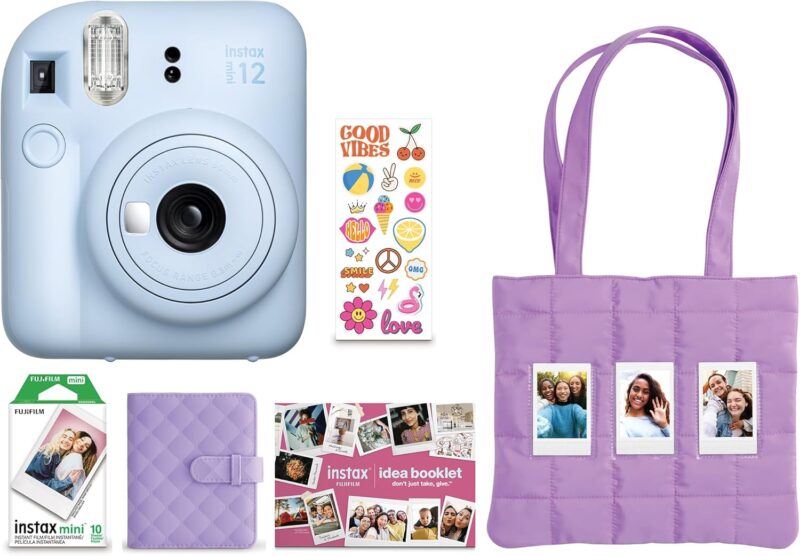
The Fujifilm Instax Mini 12 is currently on sale for $85.95, down from $105.95, and it includes a starter pack of film so that kids can start using it right away. It’s a Christmas gift that feels personal, fun, and genuinely memorable. For pre-teens and teens who already have “everything,” this is one I can confidently recommend.
It’s been a year, and my kid still uses it. That alone says everything.
Fujifilm Instax Mini 12 Starter Bundle — Pay just $85.99 after saving $38.96 (31%)
Make Tech Easier may earn commission on products purchased through our links, which supports the work we do for our readers.