

If you excitedly waited to download iOS 16 this week, you were most likely looking at the new customization options of the login screen. Or perhaps you were waiting for the ability to unsend or edit a message. But there are some other great new features that barely received a mention. Read on to hear more about Clean Energy Charging and other new features in iOS 16.
Also read: The OMG Lightning Cable Is Really a Hacking Tool
Clean Energy Charging
Clean Energy Charging wasn’t highlighted at either WWDC 2022 or the “Far Out” Apple Event last week. It showed up in small print at the end of Apple’s release notes regarding iOS 16.
Apple said in almost a side note more than anything else, “Clean Energy Charging aims to decrease the carbon footprint of the iPhone by optimizing charging times for when the grid is using cleaner energy sources.”
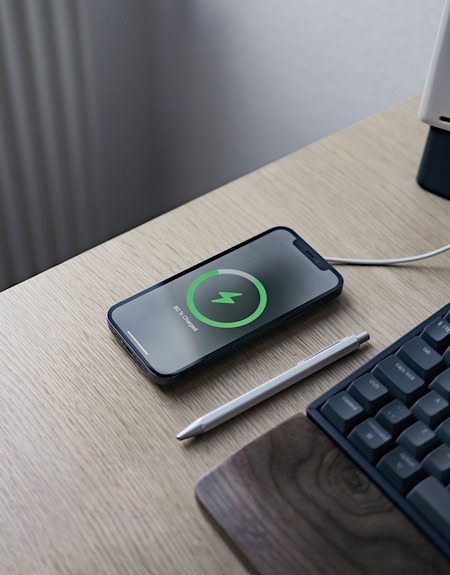
This feature will only be available to U.S. users. It will complement the existing feature, Optimized Battery Charging, which helps battery health by basing your battery charging on your usage. If you typically leave your phone connected for several hours, such as when you’re sleeping, it will only charge it up to 80%, then will increase that to a full 100% around the time you usually wake up.
There isn’t anything else said about Clean Energy Charging: not how it will work or how it will differ from Optimized Battery Charging. Yet, now that you know about it, you’ll have to wait for it. Apple said it would be in an update later this year, along with iCloud Shared Photo Library.
Other Quietly Announced Features
Clean Energy Charging wasn’t the only feature that didn’t receive much fanfare. Some were announced quietly, while others weren’t announced at all, other than the release notes.
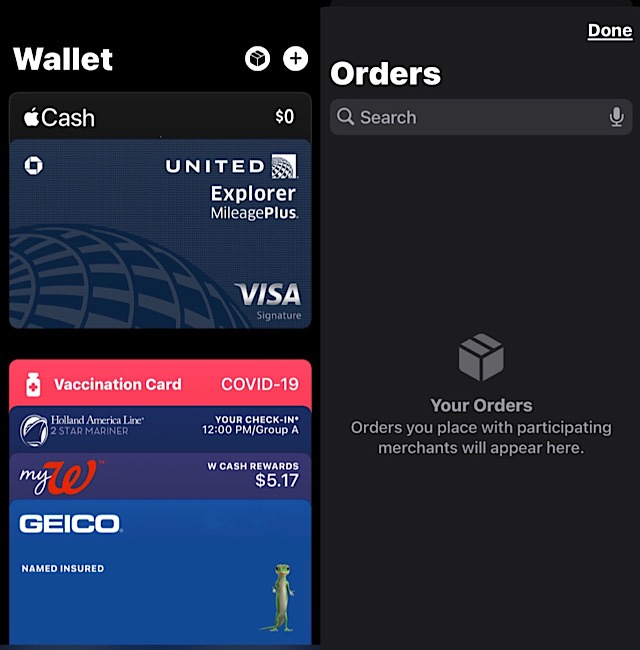
Apple will now allow you to get detailed receipts, as well as tracking information, in the Wallet app. Items you buy with Apple Pay from participating merchants will show there.
Apple Maps will allow you to create journeys with multiple stops and will sync between your Mac and iPhone. If you’re taking public transit, you can add your card to Wallet and learn how much your trip will cost. Another change in the update will allow you to keep up with your favorite teams in My Sports in Apple News.
Dictation will now allow you to type, move the cursor, tap in the text field, and insert suggestions with automatic punctuation and emojis. Move fluidly between voice and touch.
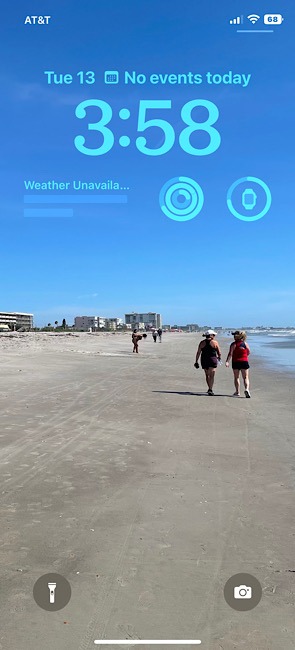
The Fitness app and tracking, including the Lock Screen widget, are now available for all iPhone users. Set goals, check your trends, and share your activity. Add your medications to the Health app to be reminded, be alerted of interactions, and make it easier to recite the medications you’re on to doctors and hospitals.
Stay safer with Safety Check, which allows you to remove access from another person if you’re at risk from domestic violence. Easily sign out of iCloud on all your other devices, too.
Image credit: Unsplash All screenshots by Laura Tucker