
Chip Shortage Affecting Everything Including PS5 and Cars

Chip Shortage Featured

Last year the global health crisis hit the tech industry right away with a laptop shortage. Now it has led to a chip shortage. And that, in turn, is affecting everything – including the PS5 and the auto industry.

The Chip Shortage

It’s the good and the bad of the effects of the pandemic on the tech industry. The rush of remote work and remote learning led to many people snatching up available laptops.

Additionally, because they were spending such additional time at home, the public bought all sorts of other tech, too. Along with laptops, desktops, PCs, and monitors flew off the shelves.

Chip Shortage Ps5

Last fall, the boon reached leisure time. Streaming devices, gaming consoles, smart TVs, smartphones – all of it. People seemed to be pacifying themselves with gadgets.

But it also brought a negative impact right away. Apple traditionally releases its new phones in September, but in 2020, they were delayed a month because of the chip shortage.

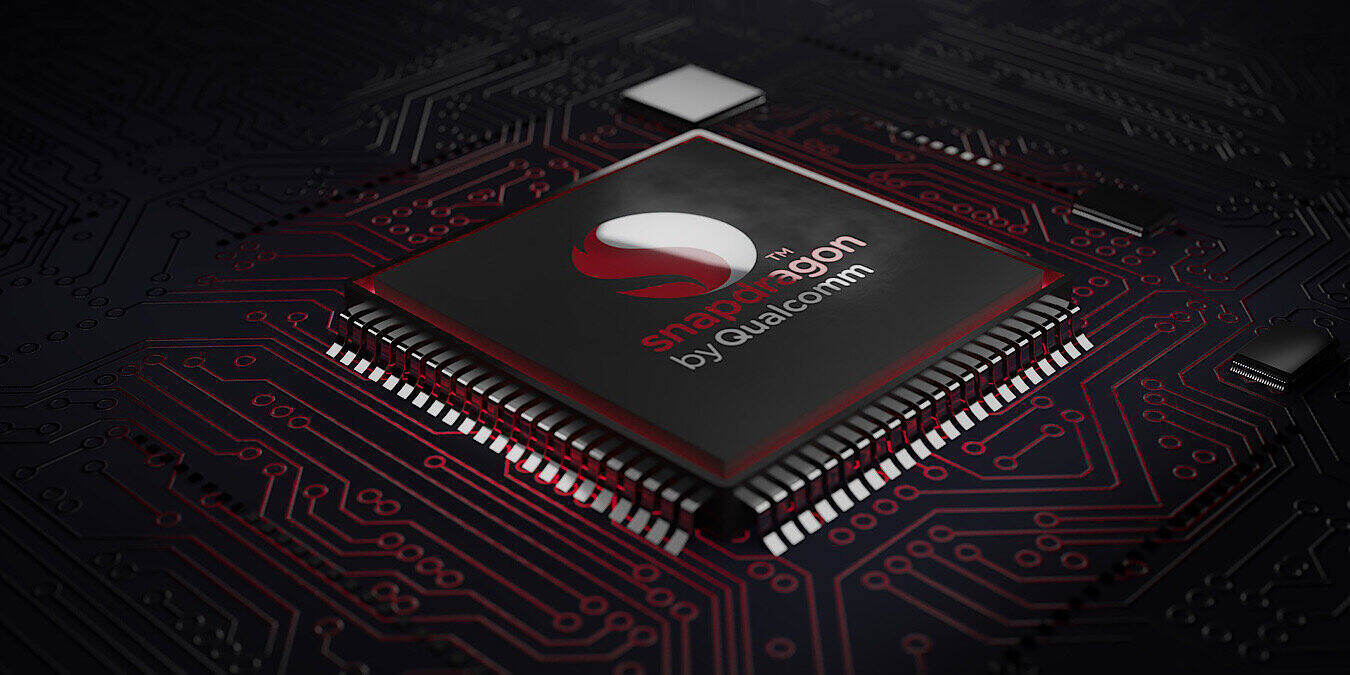
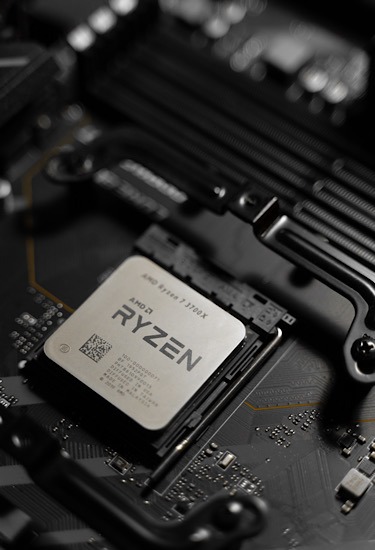
Most electronics firms buy their chips from AMD and Qualcomm. Both noted recently that they were experiencing shortages.

Chip Shortage Ford

This certainly wasn’t news that Sony wanted to hear. They just released the PlayStation 5 last fall, and it’s much in demand. Sony can’t meet that demand and is blaming the chip shortage.

Automotive companies are also placing blame on the chip shortage. GM is extending production cuts in North America until the middle of next month. Previously, Ford and Fiat Chrysler had already informed investors of a slowing of production, blaming it on the chip shortage.

What Lies Ahead

The worse news, at least for consumers, is that it’s not going to improve anytime soon.

Remember that there’s already a chip shortage. But the semiconductor Industry Association said in December that global sales for chips would grow 8.4 percent this year. Last year it was a $433 billion industry. It’s one area of the economy going in the right direction. Growth the year before was at 5.1 percent.
Chip Shortage Amd

And truthfully, there was already a greater demand for chips. The industry was troubled the past few years because the former president of the United States created a trade war with China. The U.S. placed sanctions on the biggest foundry in China, which caused it to have a difficult time selling chips to companies connected to the U.S.

Because the tech world relies so heavily on semiconductors, it means the chip shortage will cause the industry to remain in flux for some time.

Looking to learn more about mobile hardware? Read this guide to get it all figured out.

Subscribe to our newsletter!

Our latest tutorials delivered straight to your inbox

Laura Tucker Avatar

Read next

Octopuses possess roughly 500 million neurons distributed across their body, with two-thirds located in their arms rather than their central brain, meaning each arm can taste, problem-solve, and react to stimuli independently of whatever the octopus is otherwise paying attention to.
The Roman aqueduct at Segovia, built around the first century AD without mortar, still carried water into the 1970s, its 167 granite arches held together by nothing but the precise weight distribution of stones cut to fit each other within fractions of a millimeter.
When the SS Great Eastern laid the first working transatlantic telegraph cable in 1866, a message that had taken ten days by steamship suddenly crossed the ocean in minutes, and the financial markets of London and New York were forced, within a single trading week, to invent the modern concept of synchronised global price.
The Big Ear telescope was scanning at 1420.4056 megahertz on the night of 15 August 1977, the exact frequency at which hydrogen atoms vibrate across the universe, because Giuseppe Cocconi and Philip Morrison had argued years earlier that any species trying to be found would broadcast on that channel — and then, for 72 seconds, something did.
In 2016, archaeologists dated two rings of snapped stalagmites in France’s Bruniquel Cave to 176,500 years ago, evidence that Neanderthals had walked 336 metres into darkness with fire and built architecture deep underground long before modern humans reached Europe
Otto von Bismarck was 74 when Germany adopted the world’s first national old-age social insurance program in 1889, setting the pension age at 70 after years of fighting socialists with bans, laws, and a promise few workers would live long enough to use
When cosmonaut Valeri Polyakov stepped out of his Soyuz capsule in March 1995 after 437 consecutive days aboard Mir, doctors recorded him at several centimetres above his pre-flight height, and his spine had become so unaccustomed to gravity that the recovery team carried him to a chair rather than risk the compression of letting him walk.
When Bell Labs engineer Karl Jansky pointed a rotating antenna at the sky in 1932 looking for sources of transatlantic radio static, he kept picking up a faint hiss that peaked every 23 hours and 56 minutes, and he eventually realized he had become the first human to hear the center of the Milky Way.