


Interactive toys can be really cute and cuddly and look very innocent. But while your child is spending hour upon hour playing with it, it could be hacking its way into your home. You may want to keep that in mind this holiday season.
The Problem
We need to not forget that while still toys, being interactive means that they are also computers. That means they’re just as hackable as any other device you own. They’re just less conspicuous about it.
Germany’s Federal Network Agency ruled that My Friend Cayla, a beautiful children’s doll, was “an illegal espionage apparatus.” This doll with long blonde hair will talk to your child, answering questions. Your child may begin to think of Cayla as their new friend.
But the Agency recommended that parents destroy the pretty little doll. It uses speech recognition software and Google Translate. Retailers were told to only sell Cayla if they disabled its ability to connect to the Internet, as that’s what invites the hacking. Yet, if they do that, Cayla is considerably less fun.
Also read: What You Need to Know Before Getting Smart Toys For Your Kids
The Interactive Trend
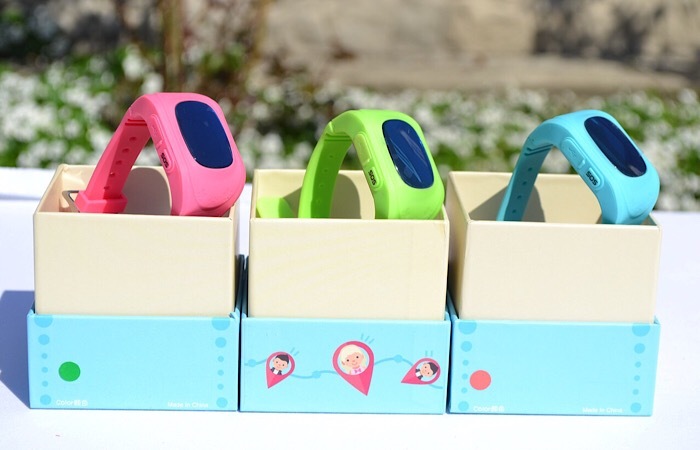
How do you stop such a trend? Cayla is far from the only connected toy. There are also smartwatches just for kids, a whole range full of V-Tech educational toys, “pets” that react just like real ones, books that will read to you, interactive world maps, and more. Each one of them that connects to the Internet in some way is still just as much of a threat.
And once any device signs online, whether it’s a tablet, smartwatch, or a child’s toy, there are chances for it to become hacked. Hackers look for weaknesses of all connected devices, not just the ones used by adults.
With Internet access, hackers can use the cameras and microphones in a child’s toy to “see” and “hear” whatever is going on around the toy. They can be spying on your child and/or learning their location.
“Parents need to be aware of what they are buying and bringing home to their children,” said Javvad Malik, a researcher from the cybersecurity company AlienVault. “Many of these Internet-connected devices have trivial ways to bypass security, so people have to be aware of what they’re buying and how secure it is.”
The Trend Continues

Not only are interactive toys the trend, but it doesn’t seem like the trend will be stopping anytime soon. In the industry of smart electronics, there are about 8.4 billion “connected things” in use worldwide through 2017, according to research, and that’s up thirty-one percent from 2016. It’s projected that by 2020, that number will total 20.4 billion.
Not that all connected toys are a problem, but Sarah Jamie Lewis, an independent cybersecurity researcher who has tested some of the toys, has said that many companies don’t take the steps needed to ensure that their toys are secure.
And even big-name toy companies like Hasbro don’t take those steps. Their Furby Connect doll, a connected plush toy, was found by researchers to be unsafe. It has a Bluetooth feature that allows anyone within 100 feet of it to take over the connection, and they could then in turn switch the microphone on and speak to its young owner.
Caution Needed
Parents need to be aware when giving their child an Internet-enabled toy. The F.B.I. even advised parents to pay attention to these toys earlier this year. If it connects to the Internet through Bluetooth, it also needs a PIN or a password to make it secure. If it stores data, parents should look to see how the data is stored and how the company safeguards that data.
Do your children have dangerous toys in the bedrooms at this moment? Are you planning on giving them one this holiday season? Jump into the comments section below and let us know.