
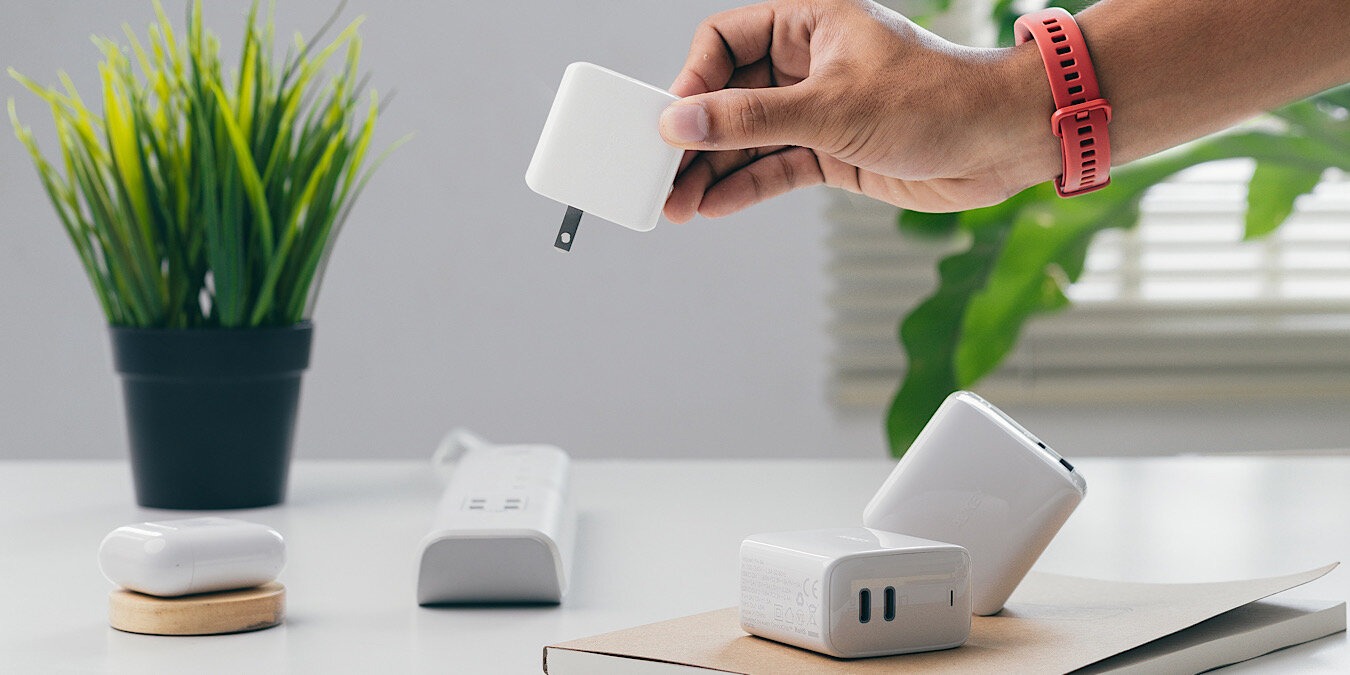

People often talk about phones becoming so important to them, but there’s another device that is nearly equally as important: chargers. It seems they’ve become quite a competitive business as well – the Anker CEO believes there will soon be chargers that can charge your phone in 20 minutes.
Reliance on Chargers
How many times do you leave your home, realize your phone is nearly dead, and wish you’d brought your charger with? But when you have your charger, it starts a rush to find an available outlet. There’s actually a pub near where I live that has outlets built into the bar just for that reason.
What if your charger breaks? It sets off a panic, and you’re hitting the stores to find whatever cheap charger you can, hoping it will charge your phone quickly. The replacement chargers that are the same brand as your phone can be so expensive.
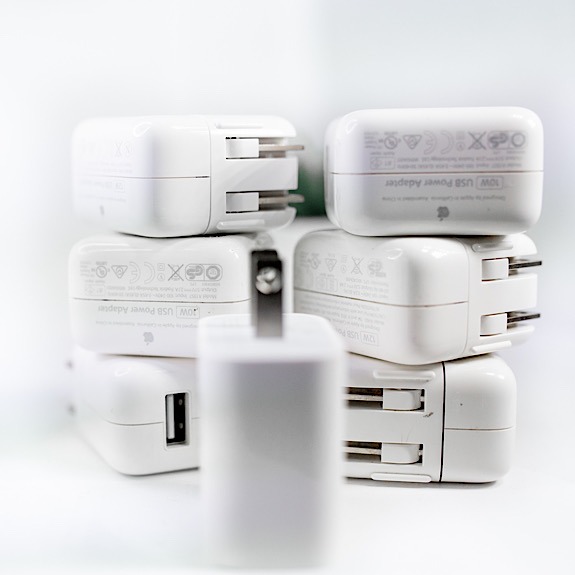
Of course, that’s providing a charger shipped with your phone. Apple and Samsung don’t even include them in the box anymore. It’s okay, as many of us have half a dozen or so hanging around. But they’re older – and slower.
Are Faster Chargers on the Way?
Anker CEO Steven Yang was interviewed recently about the charger business and his business’s stance in it. This included a conversation about the escalating speeds of chargers.
Three years ago, Yang suggested USB-C was going to kick USB-A to the curb. The hope was that it would lead to people having just one charger to do it all. I’ve hoped for that too, but the problem is that everything needs to be charged via USB-C at the same time, so you need more than one charger – or one with multiple USB-C ports.
That, of course, is good news to Anchor, as it helps the business model, as does a lack of a charging brick in the box.
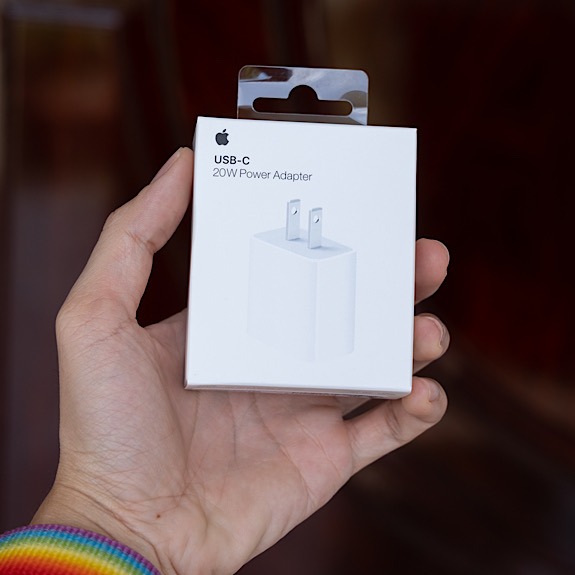
“You need to get it from somewhere,” said Yang. “So people go online and either shop for the Apple charger or come to Anker and get an Anker charger. Anker products are just a fraction of the size of an Apple charger, so some people come to us for that sort of efficiency.”
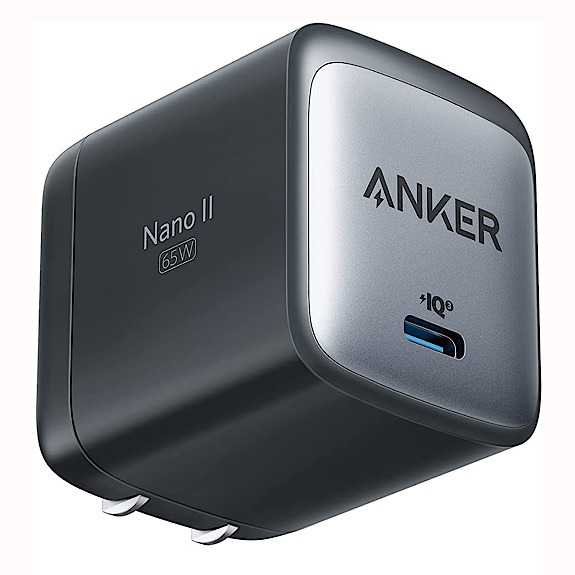
Anker also took a big gamble on gallium nitride, aka GaN. The material replaces silicon in chargers, allowing them to be smaller. The gamble paid off, and now Anker has launched GaN2 that can handle 65 watts.
Yang admitted, “We’re actually about to launch GaN3 next year, which will bring the charger size even smaller and increase the power rating as well.”
He noted the trend of chargers becoming smaller yet more powerful. “Ten years ago, chargers were 5 watt. Then it was 10, and Apple has put it up to 20. The other Android brands brought it up to 40 to 60 watts,” explained Yang.
And along with chargers getting smaller and the wattage larger, charging time is getting smaller as well. “The charge time used to be around three hours, but it’s been brought down to roughly one hour and 2 minutes with the 20-watt chargers and then reduced to about 30 to 40 minutes with the 40- to 60-watt chargers,” added Yang.
“Even more adventurous brands are doing 120 watt, which would get the phone fully charged in less than 20 minutes. The phone manufacturers are really just escalating on that charging power rating and reducing the charging time.”
What the Future Will Bring to Chargers
Will the size and charging time keep getting smaller while the wattage keeps getting larger? Will we be able to charge our phone in just 20 minutes?
“This year, we announced that the dual-port product would increase to 65 watt or up to 90 watt,” recalled Yang. “We feel that is enough for now.”
“But looking forward to the future, we feel the multi-port product will probably have to be 150-watt or 200-watt or even 250-watt because the multi-port product will have to support, for example, a 60-watt phone or a 120-watt laptop and a few other things that will quickly add up to 200 watts. At this power rating, it really needs gallium nitride to reduce the size of that charger.”
You can read more about the GaN technology and the best GaN chargers you can buy in this guide. Also read how the Pixel solves the problem with Adaptive Charging.