
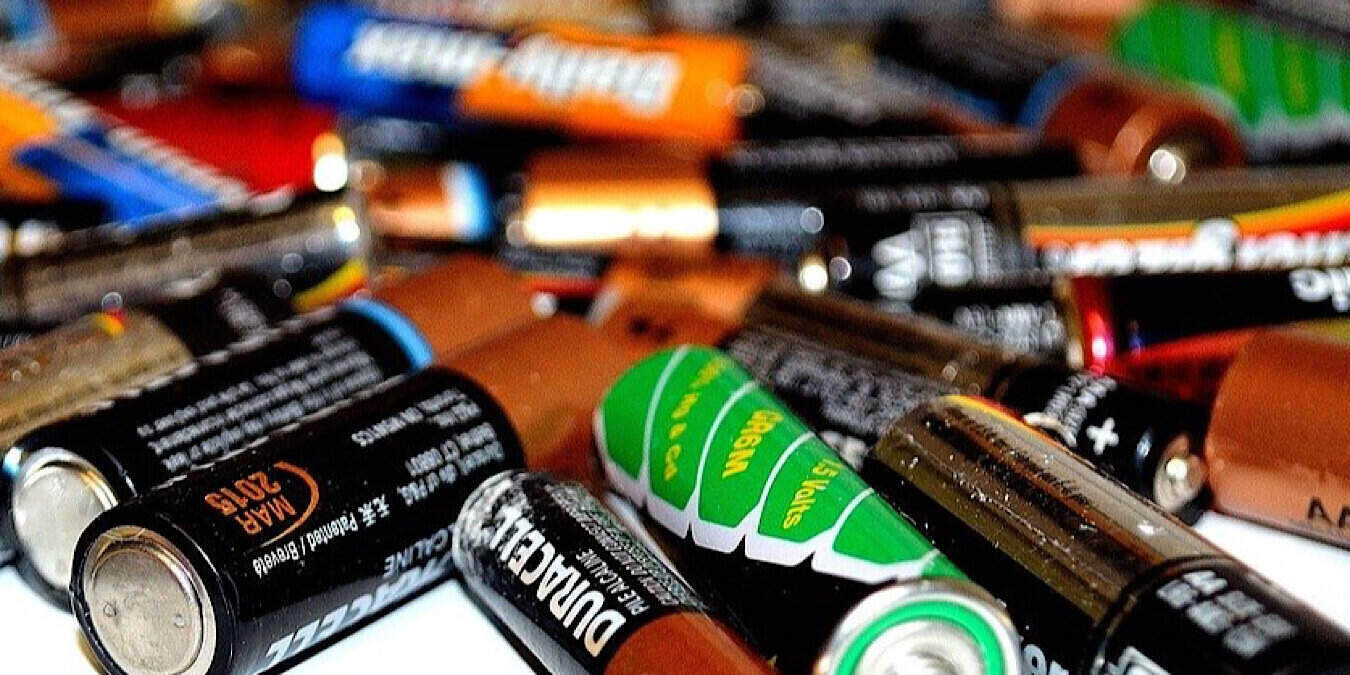

If you have many battery-powered devices, you know the expense of buying new batteries all the time. You probably have a drawerful of AAs and AAAs and maybe even a stray C of D. You won’t have to buy batteries again if you get the ReVolt – you can charge it with any USB charging method.
The ReVolt Battery Option
Toss your old alkaline batteries, replace them with the ReVolt, and just charge them when you need to through your USB phone changer, your computer, power bank, etc.
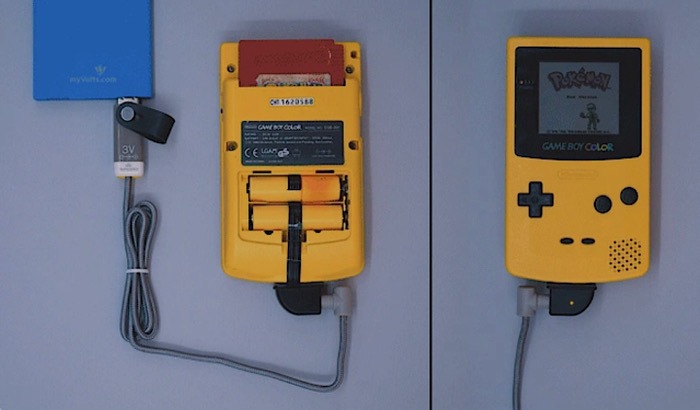
The ReVolt is shaped like your standard battery. They fit right into the battery compartment of your TV remote, calculator, flashlight, old Game Boy, etc. Buy them in the configuration that you need: two AAs, three AAAs, etc. They are connected with a thin cable shaped like a ribbon.
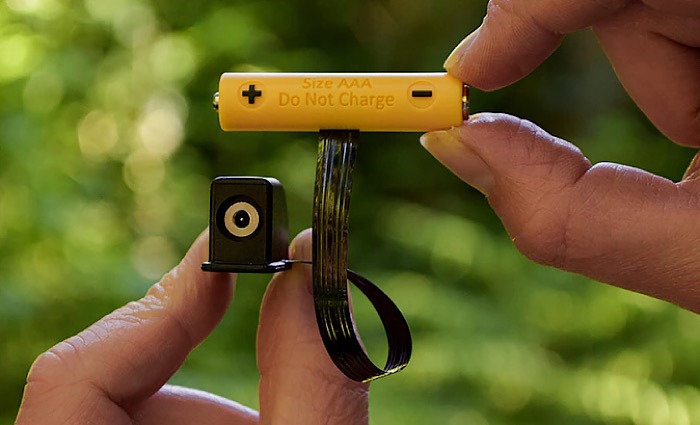
And that’s where they will stay. You won’t need to take them out to charge them. The entire configuration replacing your batteries and the USB charging method of your choice are connected through a bridge cable to charge the ReVolt. This will charge it up again for the next use, the same way you charge your USB devices.
Aside from the obvious advantage of never needing to buy batteries again, you will also be using a cleaner replacement that will help the environment. If you won’t be using two devices simultaneously, they can even share the Revolt. Just pull it out of one and insert it in the other.
The Revolt team has worked on the product for some time. They have gone through multiple versions, endured difficulties with prototypes and manufacturers, and dealt with the pandemic as well. All issues have now been resolved.
The team even resolved an issue of charging through a power bank. These may have a powersave function that could cause it to switch off and not reach the
threshold necessary. A chip was added to the circuit board that continues to pulse so that the power isn’t switched off.
Availability
Are you anxious to have the option to charge your batteries via USB with ReVolt? It’s currently available through a Kickstarter campaign. Shipping is scheduled for July if the campaign raises the desired funding by the end of June. Different configurations are available at early bird prices.
A two-battery kit for AA and AAA costs just €29 (about $35) as an early bird price. A six-battery kit for AA and AAA costs just €49 (about $60), and a 28-battery kit suitable for AA, AAA, C, and D costs €99 (about $121). Along with other configurations, there’s even an option for people who are still using 9V batteries.
ReVolt could be an exciting product that could eliminate problems you may have with alkaline batteries. The only struggle will be making sure it reaches the desired threshold on Kickstarter.
There are some other developments with batteries. Read on to learn about a material that was developed to make batteries last longer and graphene being used in power banks.
Image Credit: Kickstarter