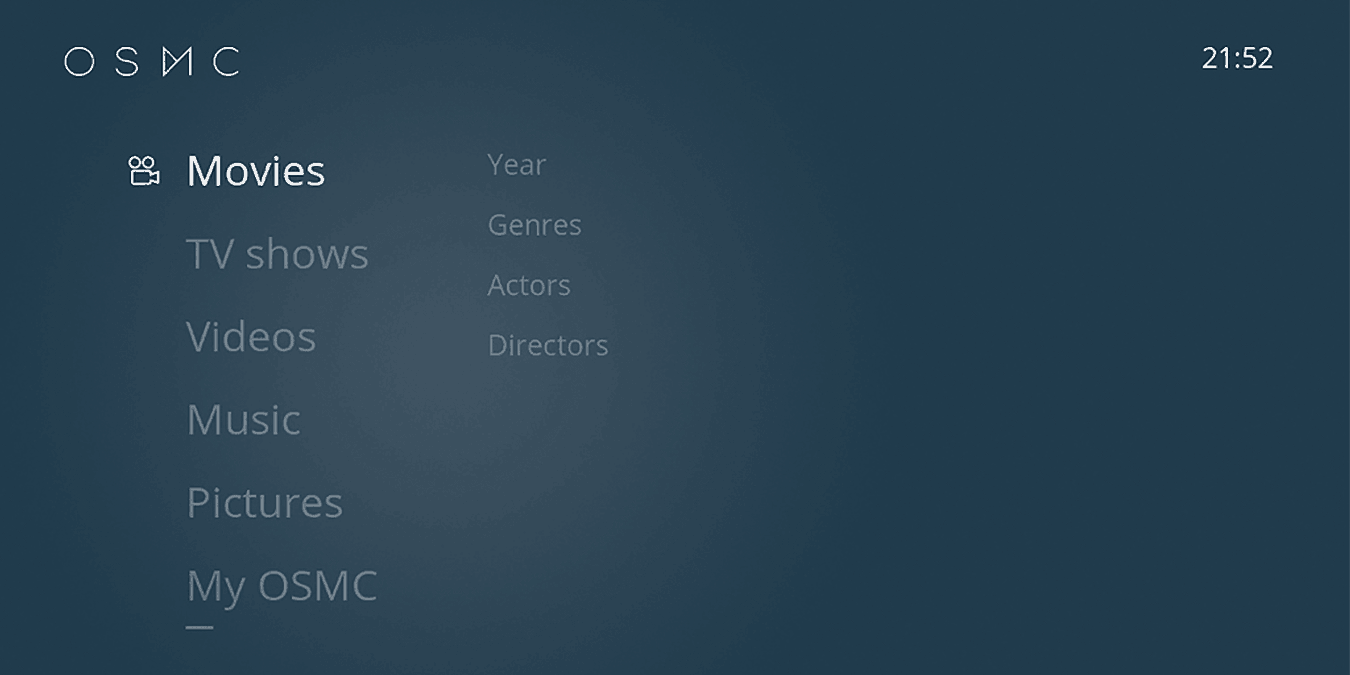
If you want to use the Kodi media center on your Raspberry Pi, you can run it using OSMC. Here’s how you can install OSMC on your model of Raspberry Pi.
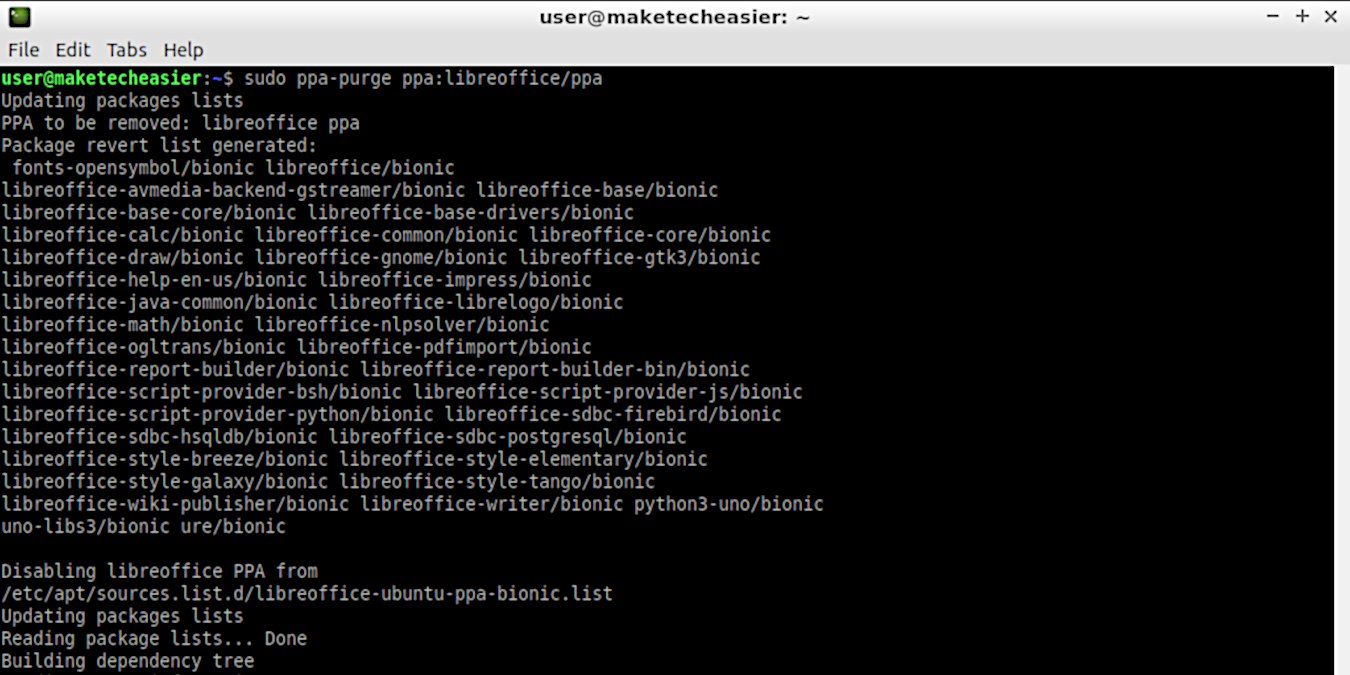
Personal Package Archives (PPAs) allow you to install software, but there are times when you need to remove it. Here’s how to remove PPAs in Ubuntu distro.
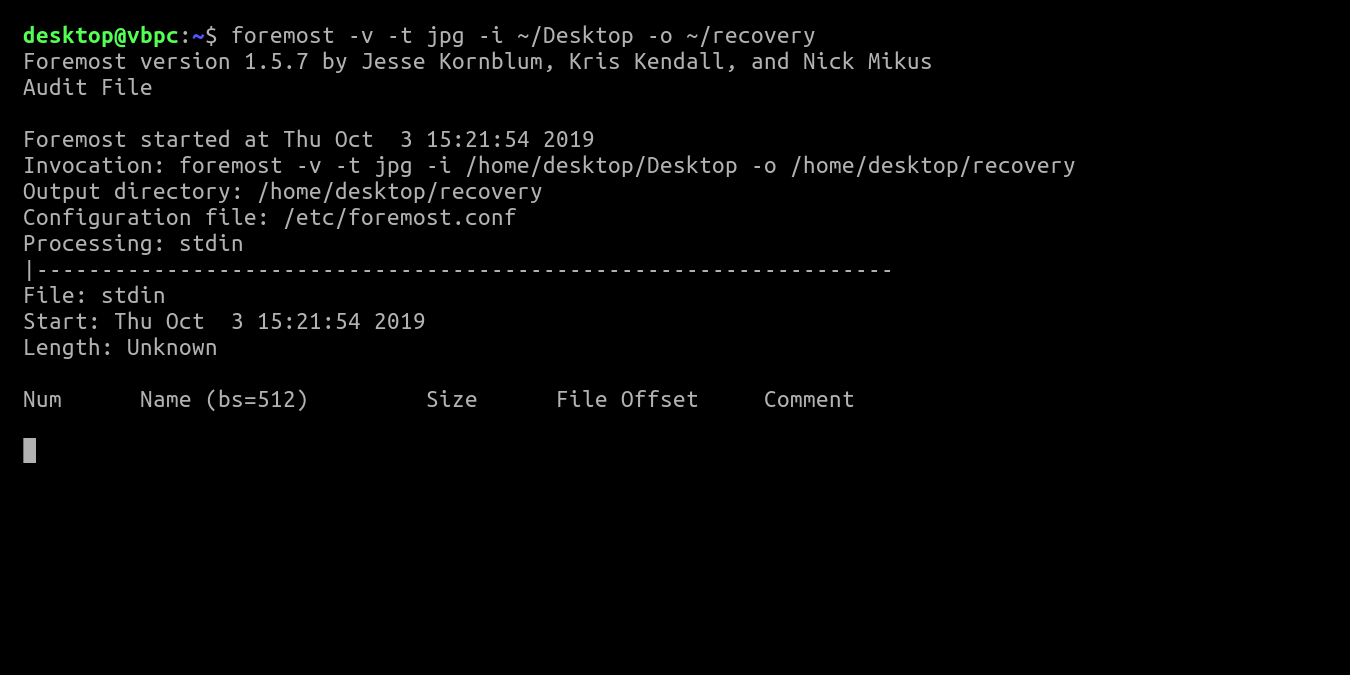
Recovering deleted files isn’t easy, but it isn’t impossible. Foremost is designed to forensically search your drive to recover deleted files in Linux.
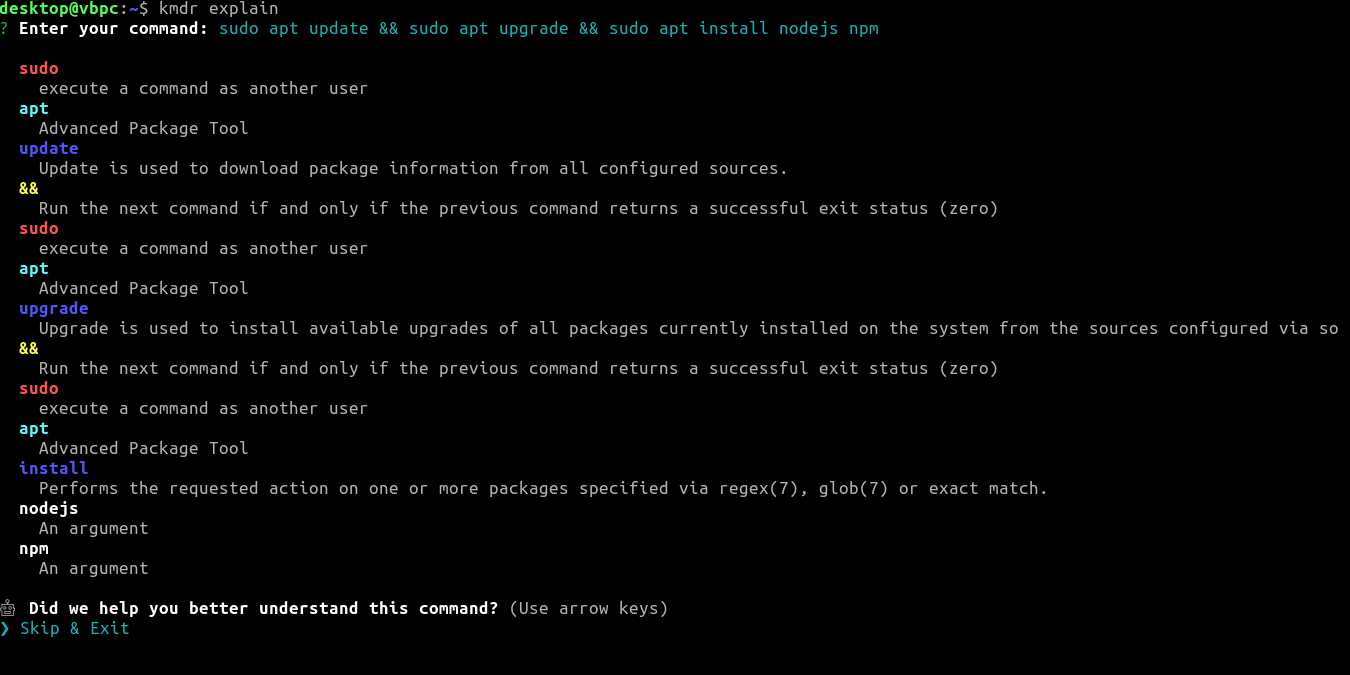
Learning how to use the terminal can improve your Linux knowledge. If you’re struggling with Linux commands, you can use the Kmdr tool to explain them.
The echo command may seem like a useless command, but under the hood it’s surprisingly useful. Here are some ways to make use of the echo command in Linux.
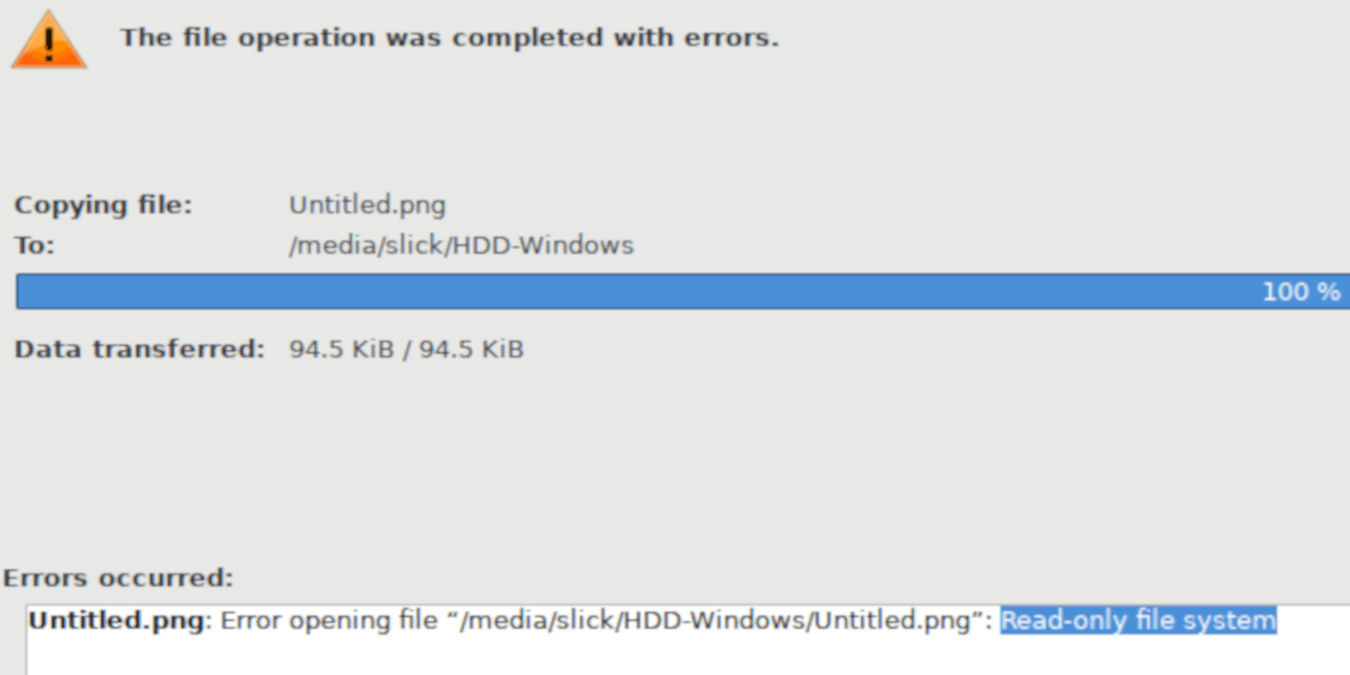
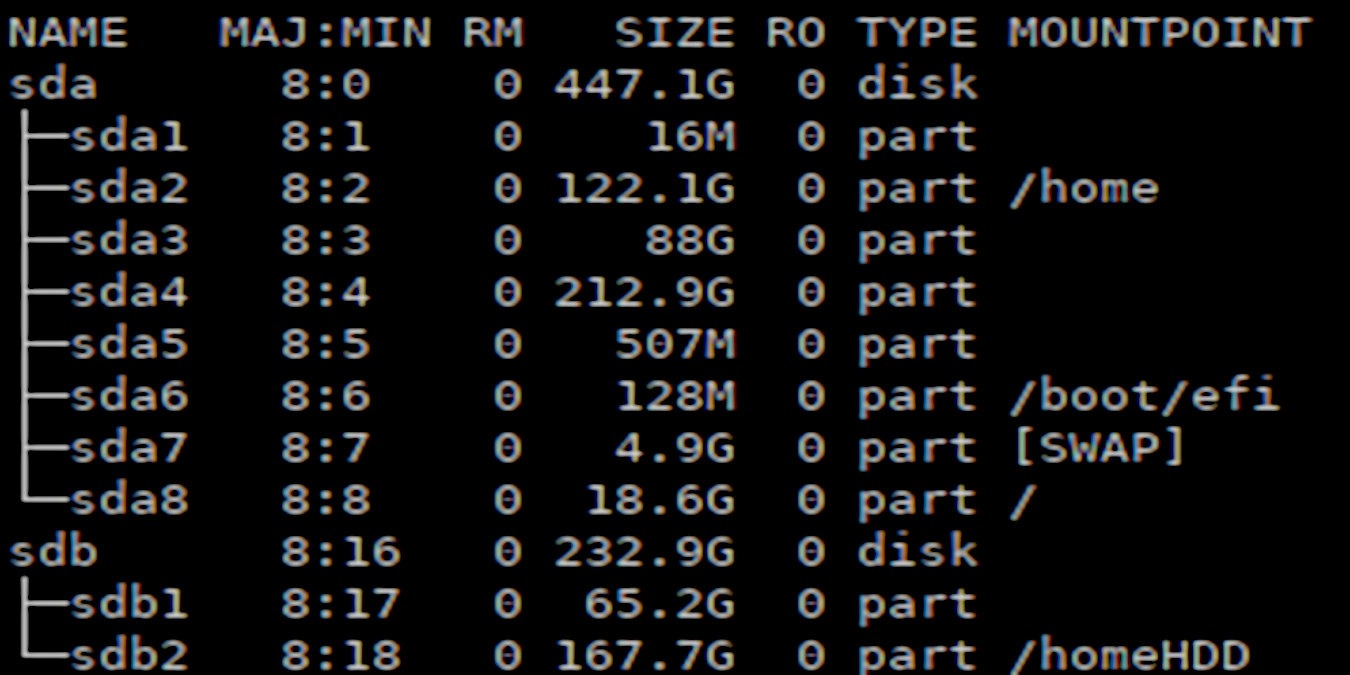
If you’ve mounted your Windows partition in Linux, you may find that you are not able to write to it. Learn how you can write to Windows partition in Linux.
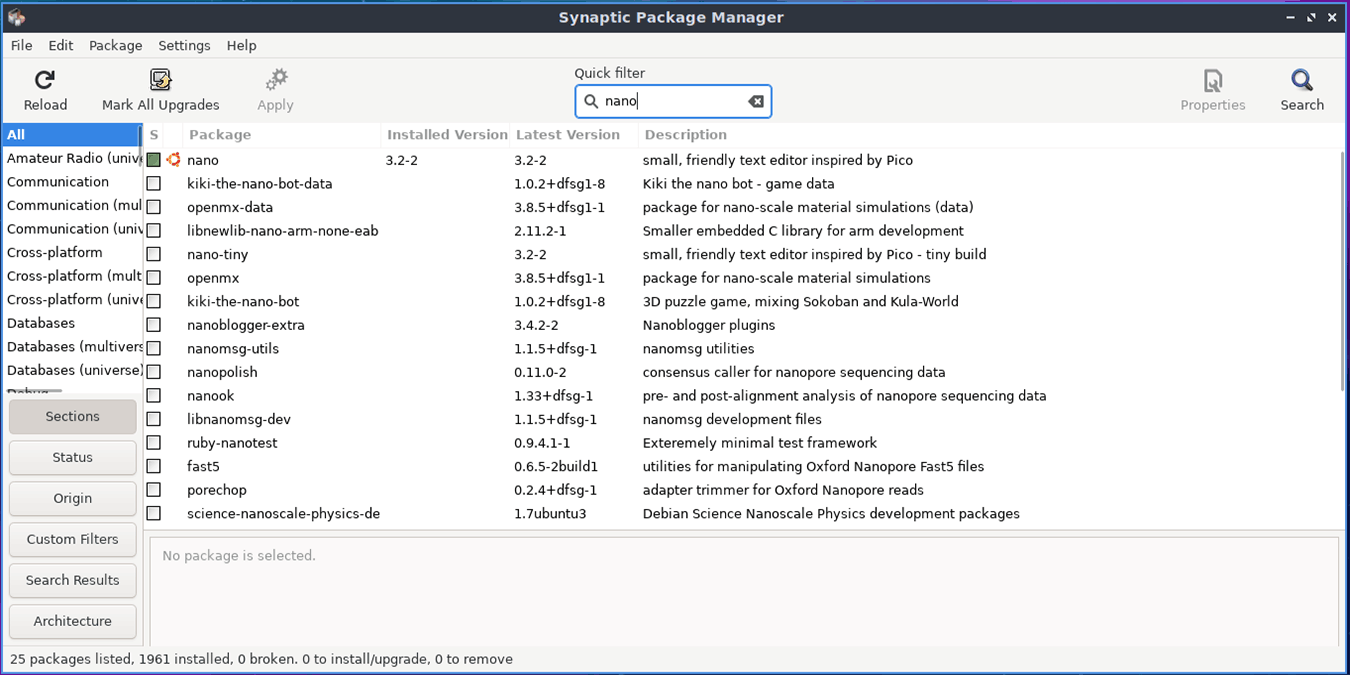
There are a few ways to quickly check whether a package is currently installed. Here’s how you can check whether or not a package is installed in Linux.
There are times when your computer is running slow because some apps are using a large amount of memory. Here’s how to fix high memory usage issue in Linux.
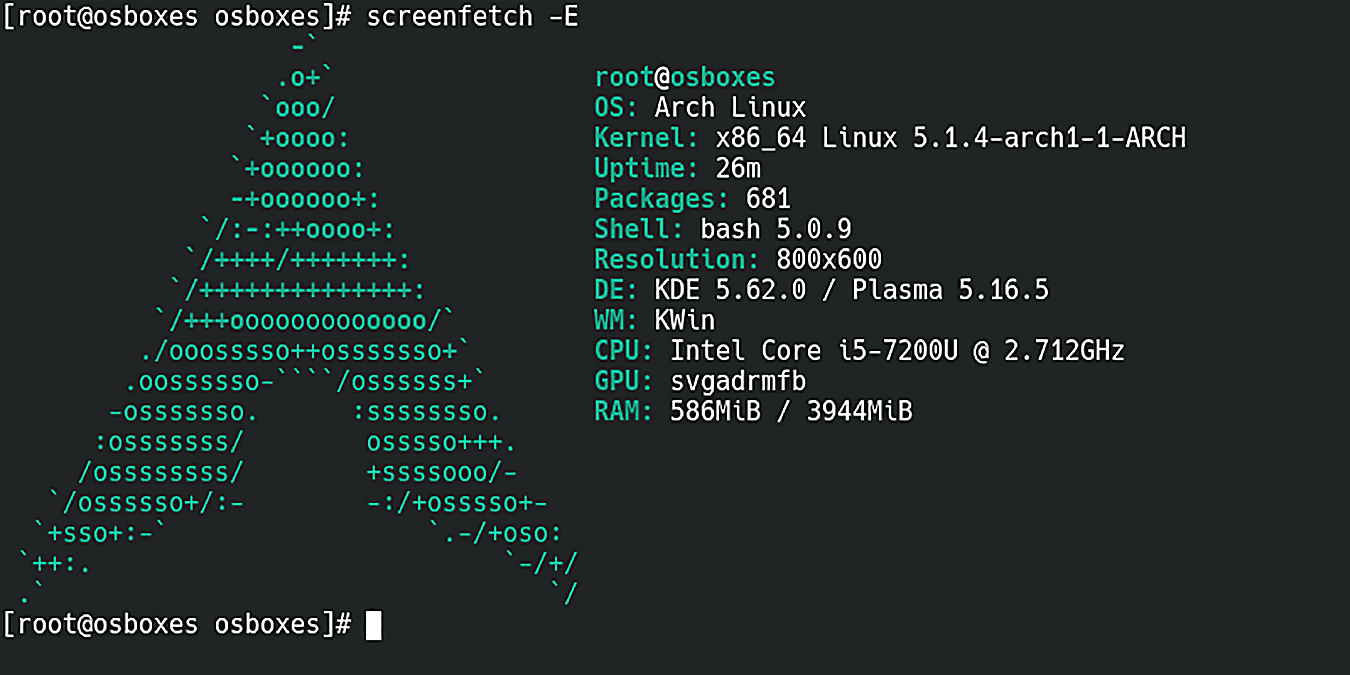
Started since 2002, Arch Linux has built up a large, loyal following of users who love Arch’s KISS approach, where minimalism and choice reign supreme.
Both the Snap and Flatpak formats of have their own centralized marketplaces, Snap Store and Flathub. Both are useful, but which one of these is right for you?
Did your system becomes less responsive when you were copying gigabytes of data? In Linux you can make use of ionice to manage the priority of I/O processes.
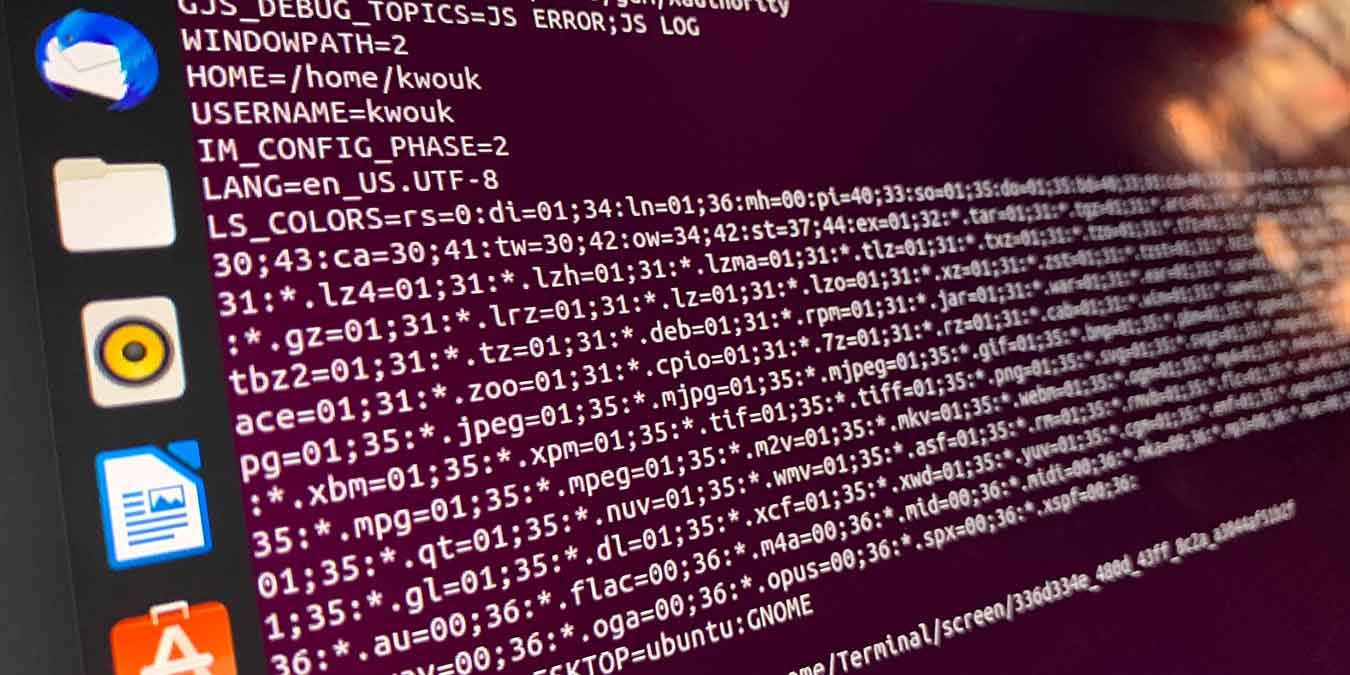
Environment variables in Linux let you set options for various apps without having to edit their configuration files. Learn how to manage environment variables in Linux.
SDCV is a dictionary utility you can run on your Linux Terminal. Learn how you can install a dictionary on Linux Terminal and look up words with commands.
To run Mac apps on Linux, you’ll need some sort of virtual machine or translation layer. You can either make use of Virtualbox or Darling translation layer.
While there are a lot of tools for reducing video file sizes, most of them depend on FFMPEG. Learn how to reduce video file size using FFMPEG in Linux.