The Split-screen mode is the best way to work with multiple windows and keep your productivity. Here’s how to snap or split-screen applications in macOS.
Duplicate files can easily choke your hard drive and make your system slow. Here are a few apps to help you find and delete duplicate files in Windows 10.
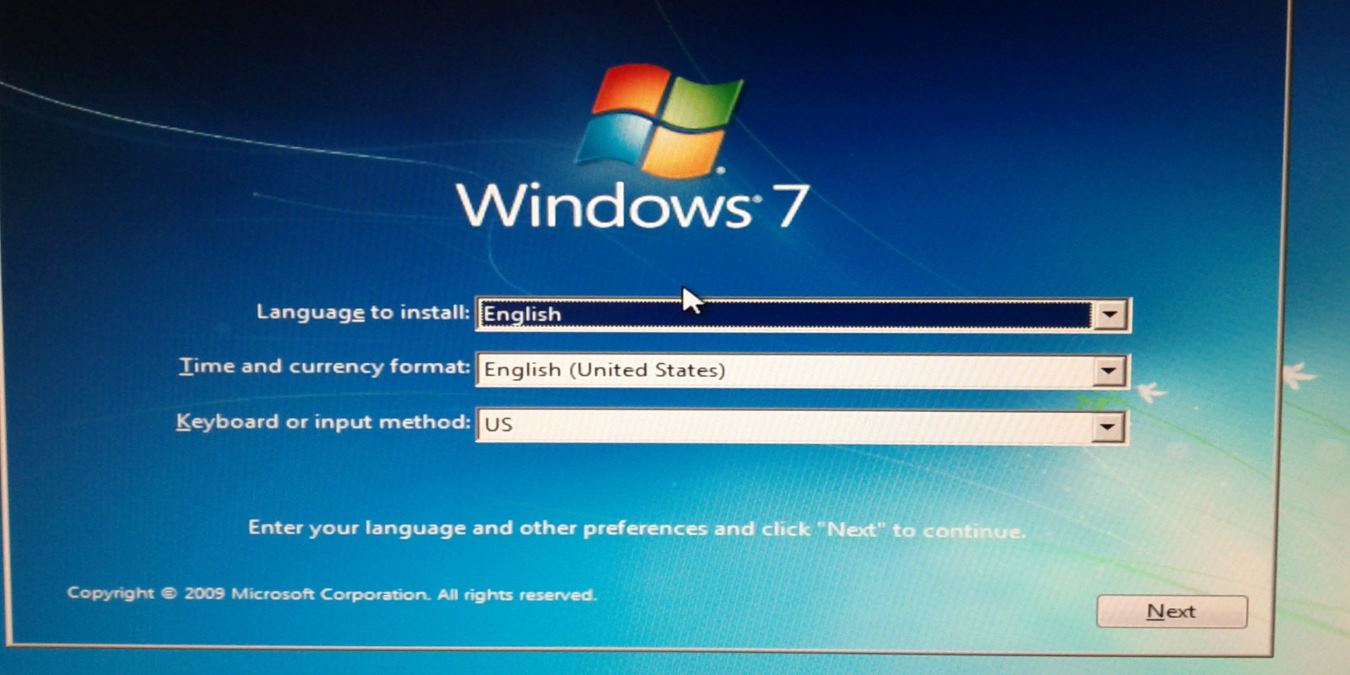
Microsoft has stopped supporting Windows 7, but there is still a considerable chunk of users still holding on to it. Why is this so? Let’s check it out.
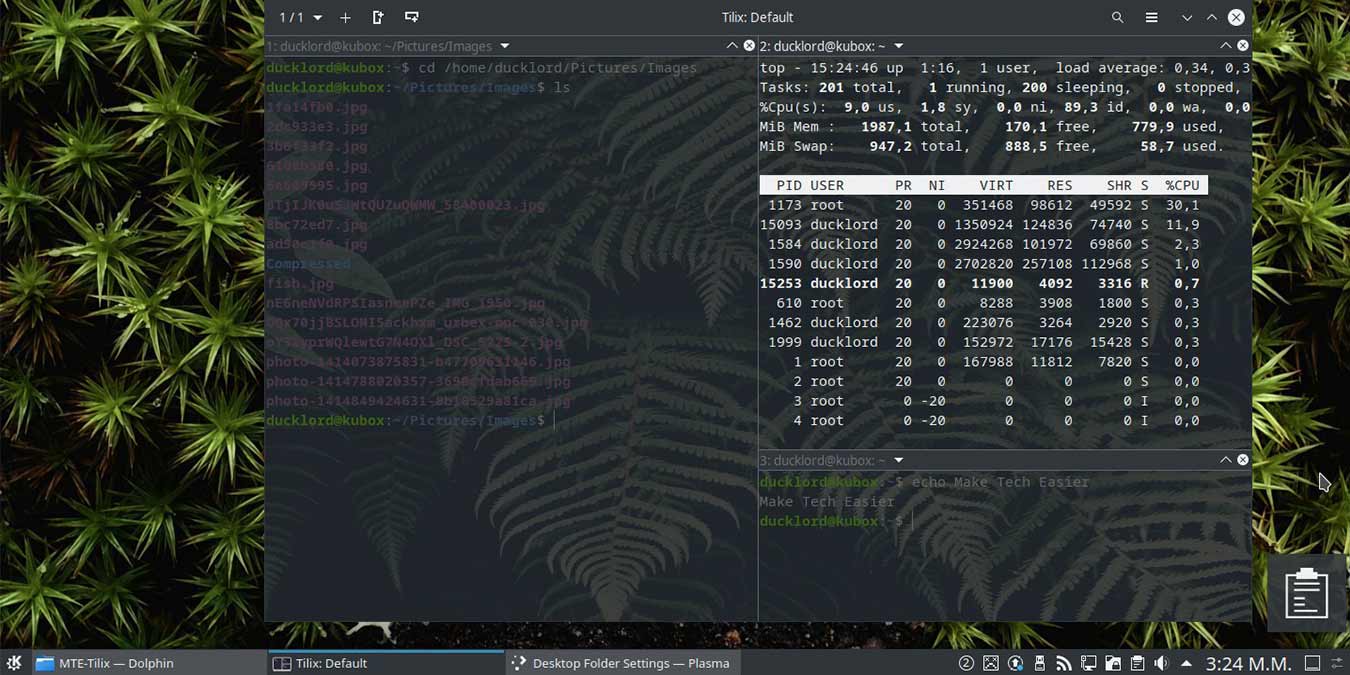
Tilix works as a great terminal alternative for your Linux PC. Let’s see how you can use it to turn your terminal into a modern and efficient workspace.
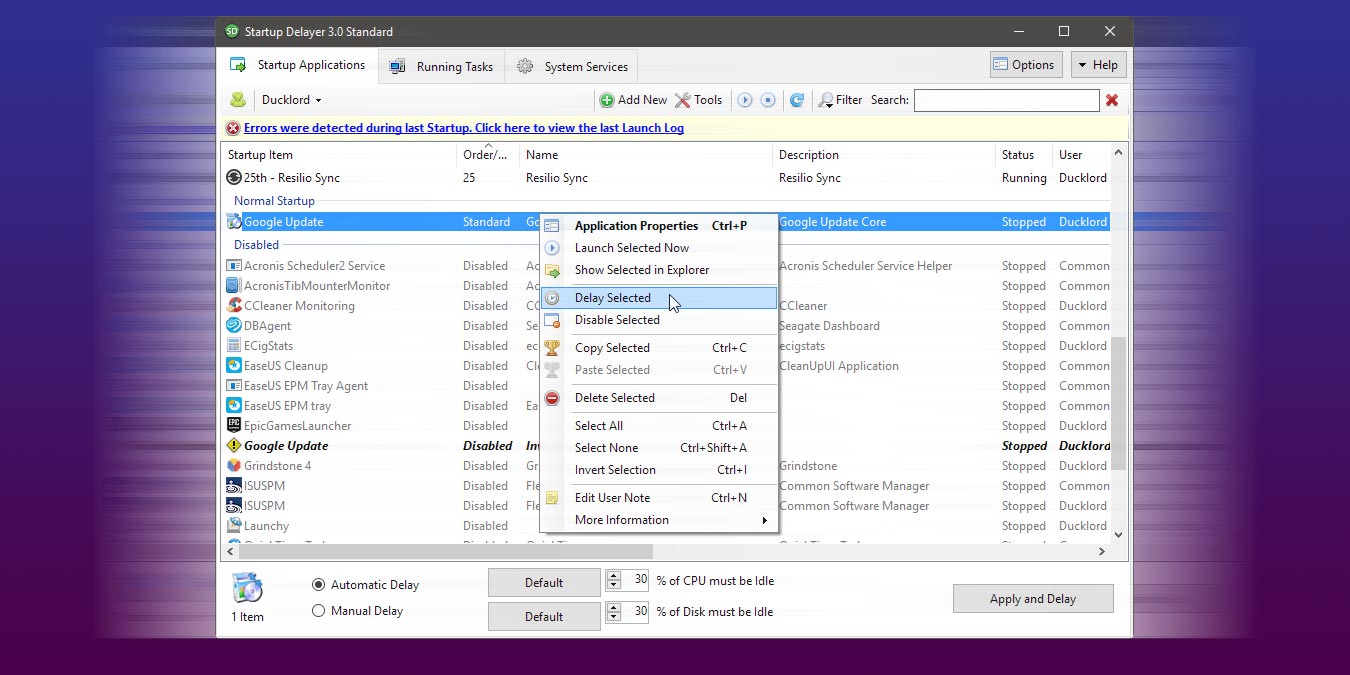
Startup Delayer allows us to control the startup items in Windows and delay the loading of all applications that auto-start when we login to our desktop.
In a shared directory, there are cases where other user accidentally deleted your files. Here is how to use sticky bits to manage your file permission.
More details on Windows 10X has surfaced, and it’s looking to be different from the base Windows 10 experience. Let’s look at some of the more interesting changes.
You may have heard of Linux inodes, but are not sure what is it and how it affects your Linux system. Here we will explain what is inodes and how it works.
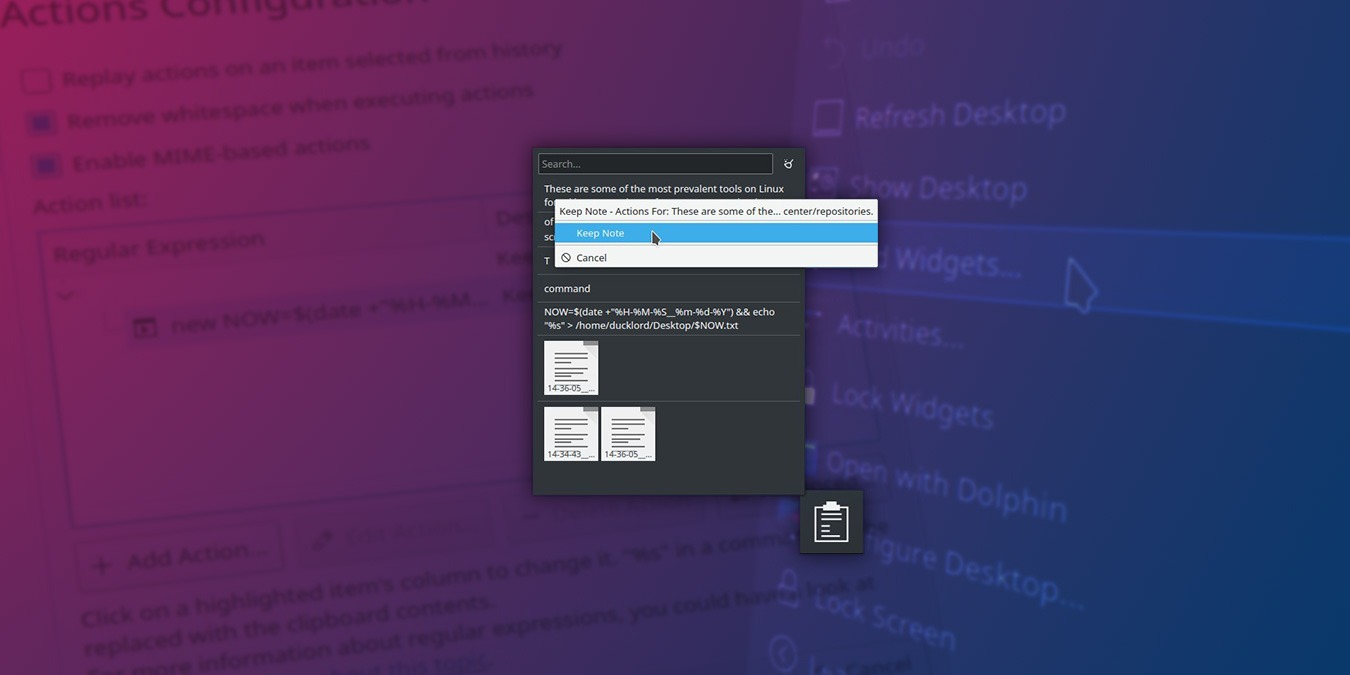
Clipboard managers are useful, but most of them don’t offer a backup feature. Here is a hack to backup your clipboard history with KDE’s clipboard widget.
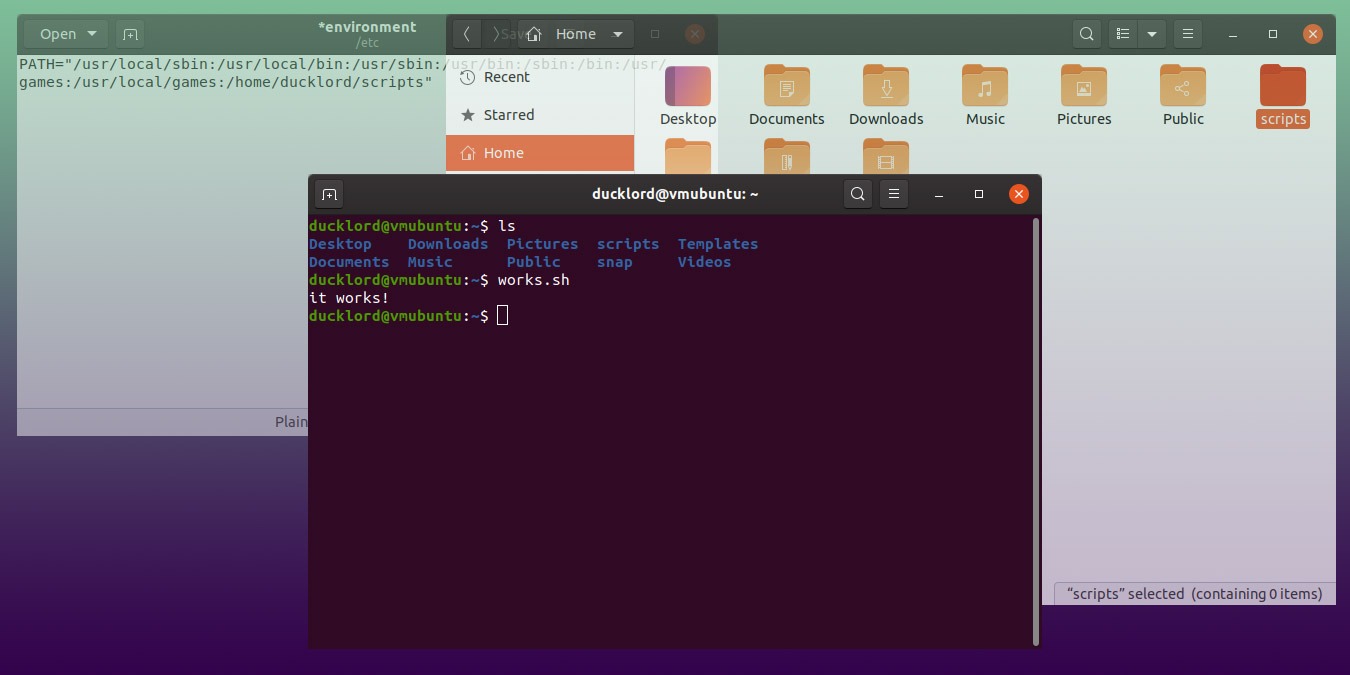
Have you notice how Linux commands are located in different folders but accessible everywhere? Here is how to make your scripts executable everywhere too.
If you want to play a graphics-intensive game, you need to know if your graphics card can support it. Here’s how to identify the graphics card in Windows 10.
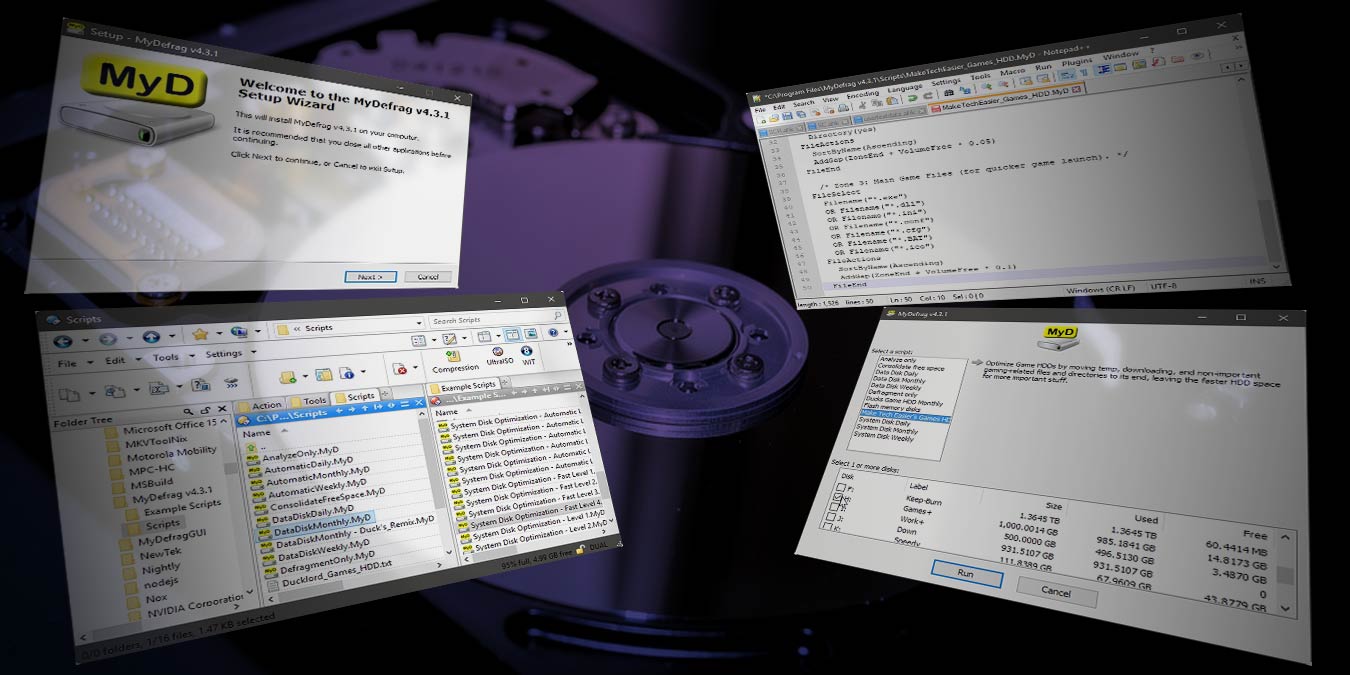
MyDefrag is the only program that can defragment your hard disks precisely the way you want it. You can set up zones and place your most important files in the faster region of the HDD.