

It’s crazy, right? How much are you paying for Internet services now? Imagine paying absolutely nothing for connectivity to the world’s biggest repository of knowledge, cat videos, and misspelled press releases. There would be massive implications in this, but it seems like we’re far from achieving a type of connectivity that costs nothing to the consumer. Other communication services have undergone similar pipe dreams. What makes this any different? The idea is currently so radical, we couldn’t help but chime in and discuss a few things related to it.
The Cost of Internet Connectivity
As it currently stands, staying connected to the internet implies a cost to the consumer. Most of them happily pay their bills without wondering what’s behind all of those costs and why their bills are probably more expensive than in other countries.
For one example, let’s look at the U.S. On average, a consumer will pay approximately $47 per month on an Internet subscription. For that, the average stable downlink speed will be 35.2 Mbps. Most of this cost is due to the quasi-monopolies and compliance costs that make it very difficult for new ISPs to surface. The old boys fight over territory while new players will have to invest significant amounts of capital and effort to comply with the barriers to entry that have been lobbied for for decades.
In contrast, we can take countries like Romania and Singapore that don’t have such barriers and analyze the approximate cost and speed of Internet. The average stable downlink speed around in my city (Oradea, Romania) is 71.9 Mbps, which is a little bit below the national average (but not very far behind). As for cost, I pay roughly $11 per month for services. Singapore has an average speed of 119.9 Mbps at prices relatively close to the U.S. index.
This sends a message: we can make the Internet cheaper but not necessarily free.
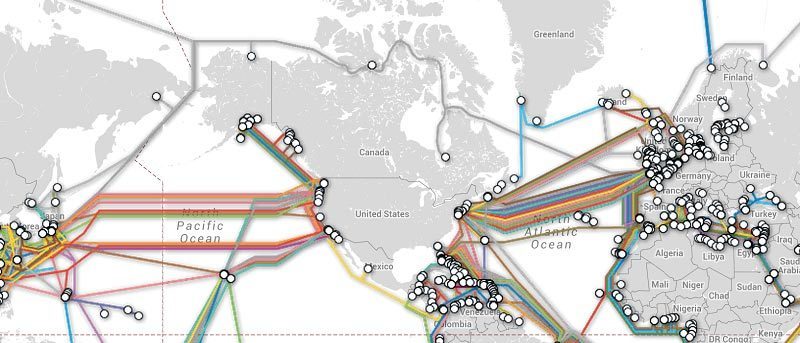
While it’s a fantastic concept to have an Internet that can be used without any cost, I cannot emphasize enough that it costs money to run the hardware that functions as the world wide web’s backbone. To make something free, someone has to stand to gain from it.
Facebook’s Internet.Org Idea

Mark Zuckerberg has long been a proponent of Internet accessibility for people who cannot afford it, which made him create an initiative for this exact purpose called Internet.Org. Its main goal is to make it possible for people to access thirty-seven different online applications (Facebook included, of course) without having to pay a single dime. To accomplish this, the initiative plans to collaborate with different Internet service providers around the world to introduce this system into their infrastructures, absorbing all the operating expenditures so that the consumer will not have to pay for access.
The initiative sparked a controversy in India that has led many firms to be against collaborating with Facebook, arguing that this goes against the philosophy and spirit of net neutrality, which requires that Internet access be treated the same across the board (no one person may be restricted from using it to its fullest extent). In response to this, Zuckerberg argued that the ability to connect to a handful of apps is still better than no connectivity at all.
Can The Internet Have No Cost?
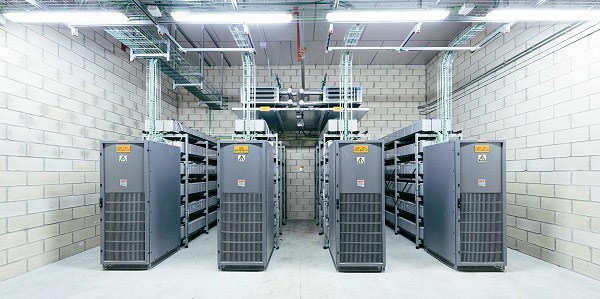
As long as there is a cost to running hardware, the Internet will not be free of charge. On that note, Wi-Fi seems a bit promising. Hotspots crop up wherever there are commercial establishments, and they usually provide unfettered Internet service for free. If traffic increases considerably, though, they will have to block their routers with a password to limit access to only paying clients. Other initiatives for free Internet are usually state-sponsored (like the free Wi-Fi provided by Oradea’s municipal government), although technically, I wouldn’t call that “free” since it is supported by taxpayers.
At this moment in history, there is no conceivable way for free Internet to exist universally, but there are many places where that is a reality and people are going online. In the places that it matters, such as in remote villages, connectivity is still a long way away.
What do you think will solve this problem? In the discussion about Internet.Org, do you agree with the Indian firms or Zuckerberg? Tell us in the comments!