

Bitcoin has evolved from an idea in someone’s mind into the world’s most popular cryptocurrency within a few short years, transforming itself into a legitimate “money” that banks have actually begun to take seriously. It didn’t take long, however, for problems to emerge within the community that maintains it and handles its future. For those of you using Bitcoin on a daily basis, it may seem like bitter news to read that the community is under turmoil, especially if you’ve placed a major amount of stock in the currency. The complex discussions that are ripping the community apart actually have to do with a rather simple matter, and I will do my best to explain everything you need to know about the process.
What’s The Matter?
Bitcoin as it is may cease to be relevant unless the block chain’s maximum size is somehow expanded. At this moment, the block chain’s maximum size has one fixed value that is small enough to provide wallets to a particular number of users. If you’re confused about this, here’s a video that gives you an idea of what a block chain is and why it’s such a central part of the way in which Bitcoin operates.
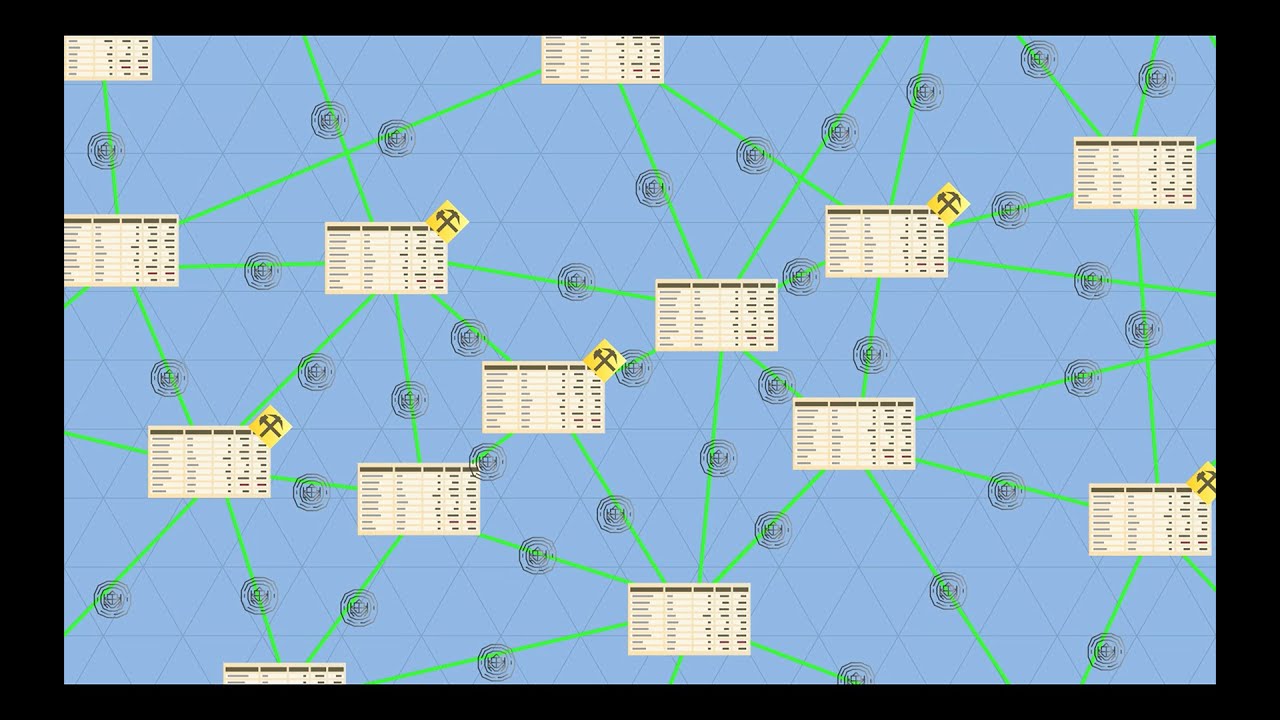
The entire trust-based security system behind Bitcoin runs on this particular concept which makes it utterly destructive when it’s not able to “keep up with the times.” Developers debate whether the size of each block should be larger or not, but there isn’t a complete consensus on this.
If a block gets larger, Bitcoin can be used in a much wider scale, capable of handling many more transactions. Services will be able to facilitate the use of Bitcoin and make transactions in ways that have previously been inflexible given the old style of accounting with paper and digital currency.
Other developers believe that blocks should be small and that no changes should be made to the current size. The reason for this is that they fear Bitcoin may lose some of the security it has provided in the past.
The prevailing notion is that a divorce must happen for the new currency to thrive, and its name will be Bitcoin XT. For some time a separate ledger will exist that will be incompatible with the old one.
Will I Lose My Bitcoins?

In all likelihood, your Bitcoins will at least retain a large portion of their value. It is, after all, in the collective interest of the developers to ensure that as much value is retained from the move as possible. You are, however, likely going to have to convert your Bitcoins to the new platform. This is expected since the new block chain technology will create more demand.
What will happen, according to a post by Mike Hearn, is that your software will ask you to upgrade. If enough people upgrade to the new block chain limit, then consensus will be reached, and this will be the new direction of the currency, making it impossible to use the software with the preceding limit. If too few people upgrade, then the block chain will remain at its lower limit, but that limit will eventually be reached, making transactions halt completely.
How Will This Affect Bitcoin’s Value?
Since this is a bit of a turbulent time, it is expected for Bitcoins in general to drop in value slightly. The currency has already dropped in value as a result of this dispute, but it will stabilize in the end. Bitcoin has always been more volatile than other currencies, so this isn’t something new. Once a decision has been reached and all nodes are activated on whatever the final direction of Bitcoin has been, the currency’s value will settle and climb once again as demand for newer services increases.
Given all of this information, what’s your opinion? Do you think that scaling up to a larger block chain would help Bitcoin as a currency? Tell us in a comment!