
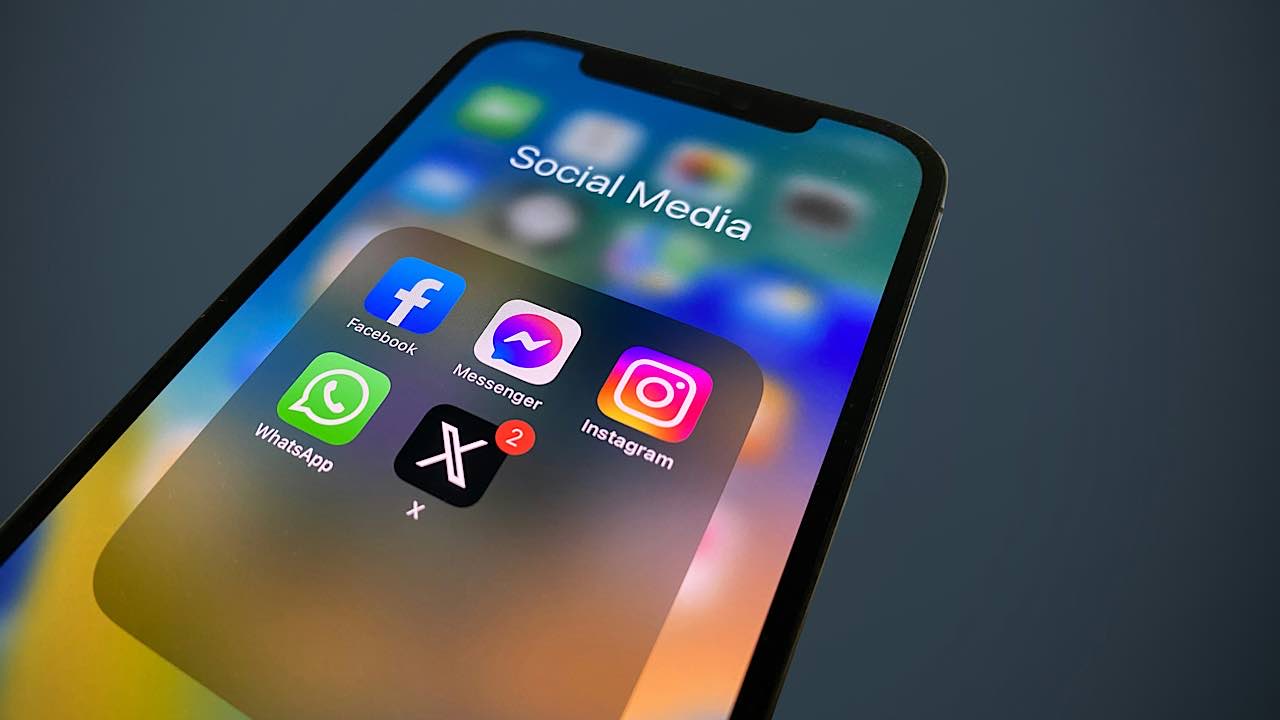

Much has been said since the dawn of social media about its potential harm to pre-teens and teens, but not much has been done about it. However, there’s a plan afoot to change that in the land down under. Australia has declared a ban on social media for children under 16 years old. Will this ban harm the industry?
Prime Minister Declares Social Media Ban
Australia Prime Minister Anthony Albanese announced that the country’s government decided to initiate a ban on social media. He believes the social media industry is “doing harm” to kids after speaking to many parents and other adult family members. His plans to meet with the parents of a young girl who took her own life after being bullied were also mentioned.
Albanese said he wants Australian parents to be able to say that it’s against the law for them to allow their kids to hop on Facebook, Instagram, Snapchat, etc. He recognizes that it won’t fix everything – at least not right away – but compared it to the legal age of 18 for buying alcohol in Australia, knowing that the law will be broken occasionally.
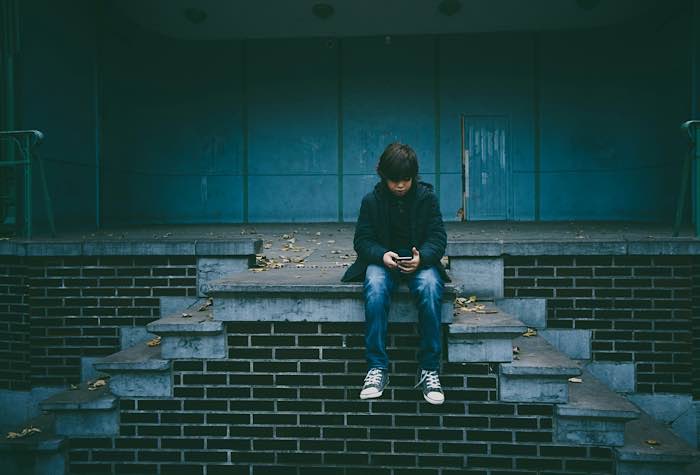
It doesn’t seem like parents or children will be held responsible once this ban is carried out, as that task is being left to social media platforms. Furthermore, anyone who breaks the rule will not suffer consequences. There will be plenty of time for families to get used to the social media ban, as the Australia government won’t be putting it into effect for another year.
It will certainly be difficult to enforce this ban, as social media will still be available to kids for such things as education. Yet, there will be no exemption, even with parental consent, and those already using social media will not be grandfathered in.
Good to know: wondering when to get your child a phone? Learn what is suggested as the appropriate age for kids to have smartphones.
The Effects on Social Media
The Australian prime minister suggested this social media ban would be world-leading legislation. And already, the social media industry has concerns.
Social networks could be fined as much as A$50 million (US$32 million) if Australian children are found using their services. Yet, children and parents will not be fined. Unknown is how a child’s age will be verified. Currently, 1 in 5 children sign up for social media after lying about their age. It’s just one way they use to get around parental controls.
The entire social media industry relies on advertising, and one of the key groups is teenagers, so this could hurt them greatly. But some would say that’s only fair after children have been hurt by social media.
Meta said in a statement that it will respect the law, but there are concerns about the rushed legislation, with fears that the evidence wasn’t properly vetted. X questioned whether it was lawful to institute a social media ban and hinted about challenging in court. ByteDance, the owner of TikTok, sees the legislation as rushed, along with unworkable.
The world will be watching to see how Australia enforces the social media ban, and the industry will be watching to see how it will continue on. In the end run, if children are benefitting, that’s what matters most. If you want to fully support your child in giving up social media, learn how you, too, can quit social media.
Image credit: Unsplash