
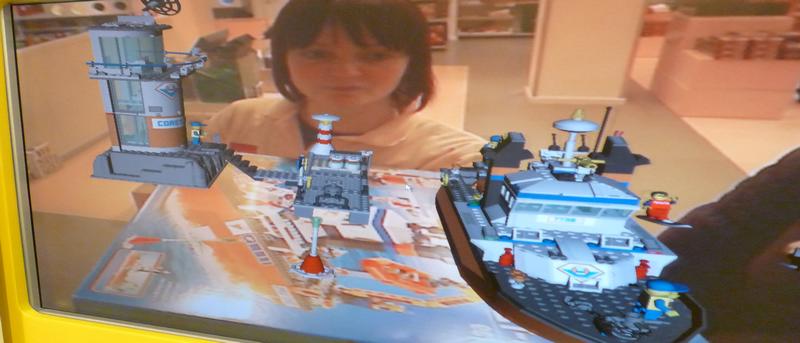

It’s true that virtual reality and augmented reality are not as widespread as smartphones are, but it is only a matter of time before they are. This kind of technology will change how we see everyday things, showing us something more tempting that has rejuvenated visuals without limits.
Once thing is clear, though: augmented reality does have the upper hand right now over virtual reality, and we only need to look at the various apps, hardware devices and video games with augmented reality to see who wins. But one question remains, how do these two technologies differ?
What Is Virtual Reality?
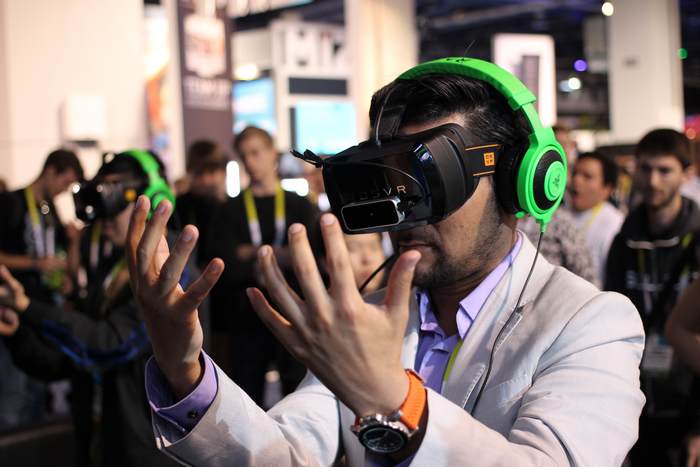
Imagine yourself on top of Mount Everest. You look around and are amazed by the beautiful scenery and the intimidating altitude. You decide that you want to jump on over to the nearest mountain, so you jump off Mount Everest, and when you look behind you, you see an enormous pair of wings that help you fly off. This is something that would only happen in virtual reality since with this type of technology you completely engage with digital things in a digital world.
With virtual reality, you are in a completely artificial environment that is created by software. In VR the only senses that you are going to need are sound and sight, and you are transported to a whole new virtual environment that you can interact with. Virtual reality involves sensors in or around the device you have put on, infrared dots, gyroscopes, etc.
With virtual reality, pilots can be transported to a virtual airplane where they are going to need the skills they would use in a real place, and soldiers can train for a war without actually being in one.
What Is Augmented Reality?
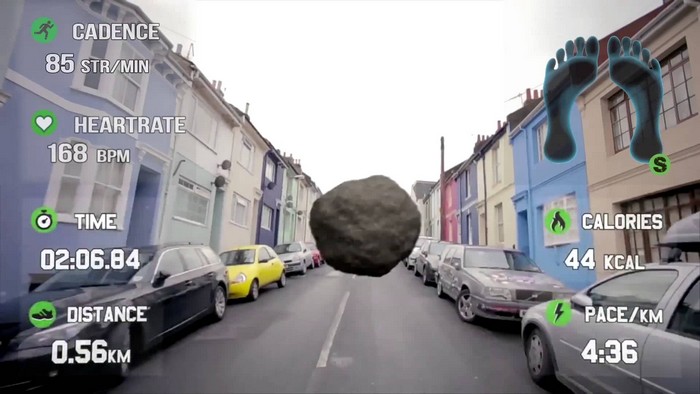
Augmented reality is a little more complicated than virtual reality since it combines the real world with computer graphics and information. With AR our environment is only enhanced with digital media but not completely changed as it is in VR. So, with AR, you won’t be able to fight against the enemy alongside Yoda and Chewbacca.
Augmented reality is already being used in fields such as robotics, military training, entertainment and more! Many have also used AR to create a virtual dressing room, so you know what looks good without wasting time switching pants every two minutes. With AR I can even have a huge spider on my laptop. Yikes!

Which Technology Is Better?
I’m not going to lie, being able to be transported to a completely different world where you can either be on the U.S.S Enterprise or on a pirate ship with Jack Sparrow sounds great, but I think that augmented reality is better as it keeps you in your real environment and makes it better. There are already various AR products on the market, but with the release of the Oculus Rift and the Sony Playstation VR, VR wants to give AR a run for its money,
If you are not familiar with Oculus Rift, it is a virtual reality headset that is set to launch on March 28th. It was originally a Kickstarter campaign that managed to gather $2.5 million to make this headset a reality. Oculus Rift would be the first consumer-targeted VR headset.
Conclusion
Both technologies are great and worth using since they give us experiences that we will never forget and train the professionals we count on for different services. Which technology is your favorite? Let us know in the comments.