
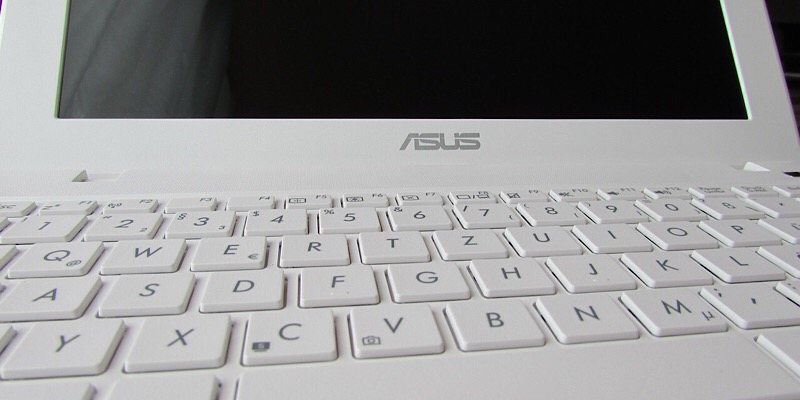

Apple’s Touch Bar on their MacBooks may not have had quite the impact they were looking for. However, it should serve as gratifying to them that the feature may have served as the inspiration for future ASUS laptops with the “ScreenPad” feature. Extensions are already available for this feature.
How will ScreenPad work? What usage will it have on ASUS laptops? Read on below to learn what is known so far about this new feature.
What Is ScreenPad?
ScreenPad is a touchpad feature that would be in use elsewhere on the laptop and not along the top of the keyboard like on Apple’s Touch Bar.
It’s a precision touchpad that is combined with a touchscreen that is powered by a precision touchpad driver. It could allow users to tap an icon on the display and then control the app with the widget on the ScreenPad once the app opens on the laptop’s display.
Its implementation could be limited. ASUS laptops with this feature will need to have a graphics processor of at least the GeForce GTX 970/GTX 1060. To handle the internal HDMI connection, the machines will need to have the ITE8225 micro-controller as well as Toshiba’s TC358870XBG chip.
What hasn’t been explained is how the laptop would switch from a regular touchscreen input to that of the ScreenPad., whether there’s a hotkey or an icon displayed somewhere or even if there may be two displays. The details for ScreenPad have not been released yet.
Uses for ScreenPad
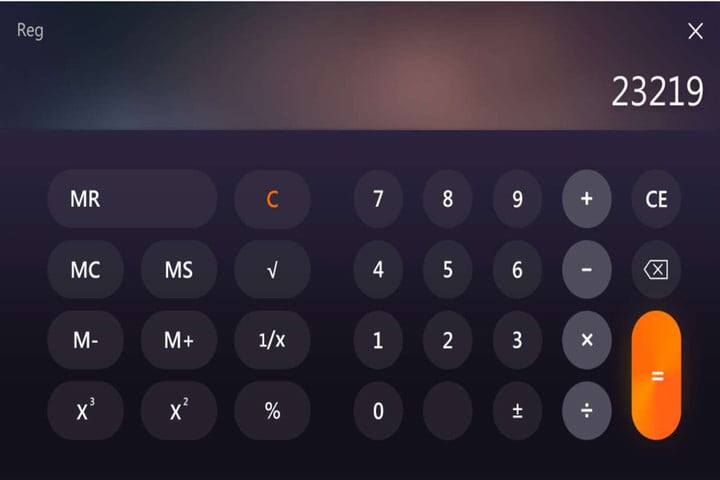
It could be used by the calculator app so that you could enter the numbers and equations via the ScreenPad instead of on the keyboard. If you played a YouTube video, it would play on the main display, but you could control the playback on the ScreenPad. It could also list the most-used functions of Microsoft’s Office suite to leave them more readily available for you.
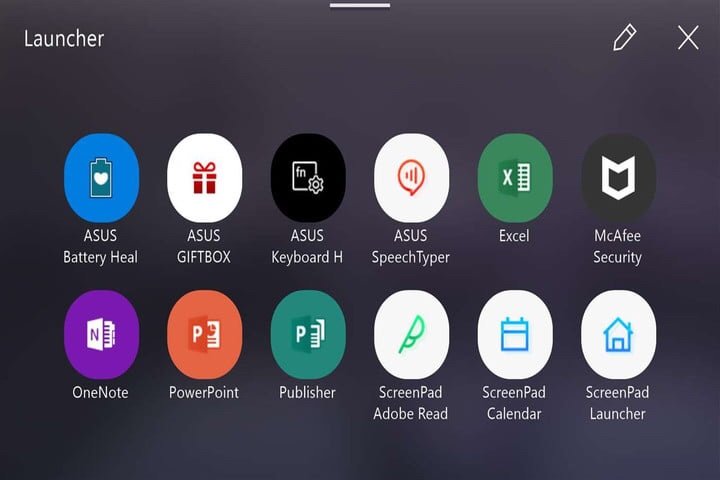
There are already extensions for the ScreenPad. These were rolled out towards the end of last year. The extensions for ScreenPad already in the Microsoft Store include:
- Adobe Reader Sign
- Calculator
- Calendar
- Launcher
- Music Player
- Numkey
- Office
- SpeechTyper
- Spotify
- YouTube
It’s not known if this is something that could be expanded in the future, if more app extensions may be able to be designed around ScreenPad.
Usefulness
Much of this is still conjecture, as there hasn’t been an announcement yet, and this knowledge is mostly based on the just the releases of those extensions.
We want to know your thoughts on ASUS computers implementing ScreenPad in the future. What do you think about the possibilities of ScreenPad? Does it seem like something that would be useful to you? Or do you not get the point of having this separate display for controlling apps? Would this be a deciding factor in determining what type of laptop to buy? Would you buy one?
Let us know your thoughts or concerns about ScreenPad possibilities in future ASUS laptops in the comments section below.
Image Credit: Digital Trends