

If you’re a more technical person who also enjoys a good workout, chances are you have either a FitBit or a more expensive Apple Watch. Knowing how Google likes to insert themselves into every area of your technological life, it’s not surprising that they’re not happy about being left out and that they are planning on entering the fitness device space as well with something new called Google Coach.
Existing Tech
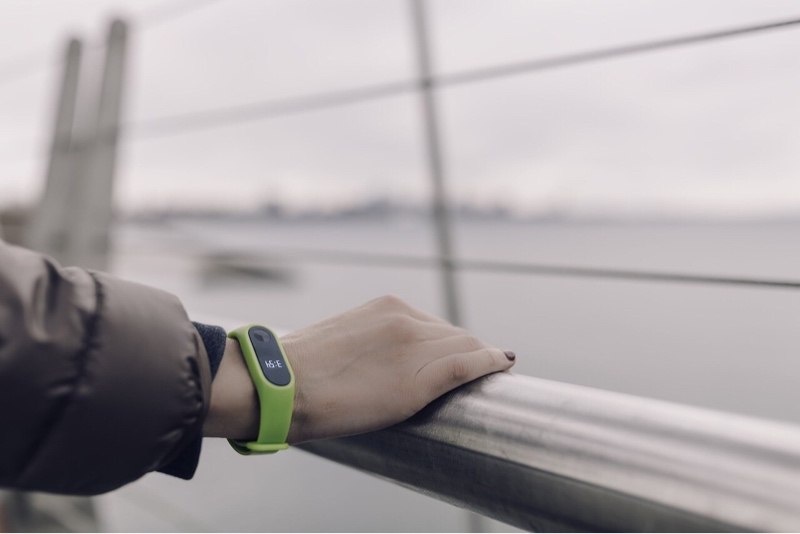
The more economical fitness device is the Fitbit, and there are so many versions of it. Some people don’t even actively work out. They just like to count their steps every day. Fitbits can even remind you to move. Not only are they cheaper than an Apple Watch, but they’re also more demure. You can quietly wear one on your wrist, and people may not even notice you’re wearing it.
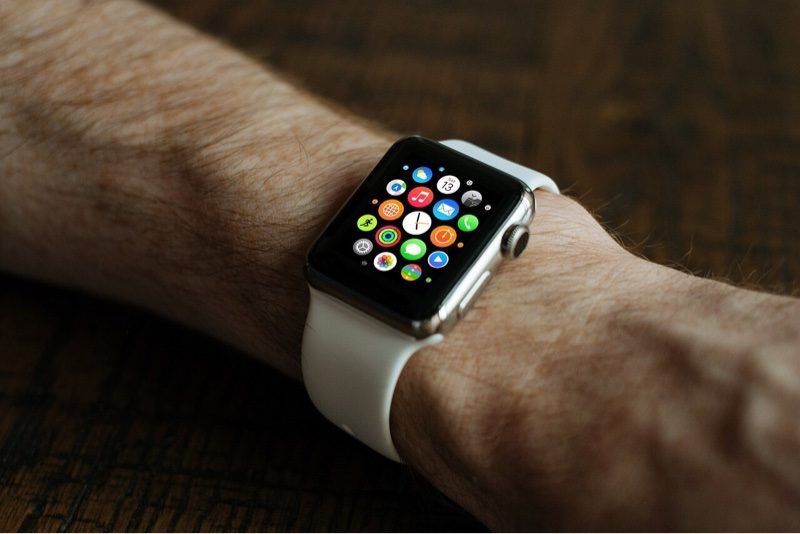
But if you want people to know you have a “wearable” on your wrist, you’re probably going to opt for an Apple Watch. There’s no denying what this device is, and it’s quite hard to ignore, but after paying all that money for it, you probably want people to know. Additionally, it’s not just a fitness tracker. It’s almost like a small little iPhone on your wrist.
Sure, there are other options out there, such as Wear OS for Android users, but these are the main two for fitness tracking. But what if you’re a devoted Google fan and use Google Drive, Google Maps, Gmail, and the rest of the apps in G Suite? The good news is that Google will soon be entering into the Fitness wearable market with its own wearable app called Google Coach.
Google Coach
Google isn’t making its own device, though, just a service, but it aims to do more than the services on the other devices. And not so surprisingly, they’re planning on using all that data they’ve been collecting on you for this service.
Internally the project is code-named Project Wooden, but the plan, at least for now, is for it to be called “Google Coach.” In this way it can create specific workout routines based on your calendar, jogging routes based on location data, etc.
It will even help you improve your nutritional habits. It can track your food and calories and suggest good, healthy meals for you and perhaps even the best time for you to eat based on your schedule.
Just think of all the data Google has on you and imagine how it can use that to “coach” you to a better fitness.
Initially the plan is for Google Coach to be used on Wear OS devices, previously known as Android Wear. But the thought is that it may be used on other Android and Google devices, such as Android phones. But perhaps with a great fitness system attached to it, Wear OS can better capture the market the way Fitbit or Apple Watch has.
Limited Information
There isn’t a lot of information available yet for Google Coach, but there’s no doubt why Alphabet wants to enter into the wearable market. They own so many other areas of tech, why not the fitness wearable market as well?
Of course, there will be a certain population, those who don’t trust Google’s intrusion on their lives to this point, who won’t appreciate this new plan. But there are certainly some who are looking for another option rather than Apple Watch or Fitbit or who are looking to bring new life to their Wear OS.
Will Google Coach change your fitness routine? Are you interested in seeing how it can coach you into better fitness? Or are you not interested and plan to stick with your current wearable and not let Google intrude in your life in yet another way? We want your opinion! Add it to the comments section below.