

Digital payment options were already in full swing when the pandemic hit, and people were afraid that the virus could be passed via a money exchange. The options already in play for contactless payments were much welcomed. Digital payments have continued to evolve, and now the Apple Tap to Play option will allow you to make payments through PayPal and Venmo.
Tip: Don’t get scammed on PayPal. Read this guide to learn how to avoid it.
Apple, PayPal, and Venmo
PayPal made this announcement in a one-page third-quarter 2022 results graphic that was released to investors. Mixed in amongst all the numbers were statements about working with Apple, such as this quote from PayPal President and CEO Dan Schulman, “We’re very pleased to be working with Apple to enhance our offerings for our PayPal and Venmo merchants and consumers.”
This was just enough to get everyone interested. A little further down the page, PayPal specified more about what was in store for merchants and consumers with its alliance with Apple. It will work with the Apple Tap to Pay option on iPhones. Sellers will be able to accept contactless debit or credit cards, as well as mobile wallets, such as Apple Pay. They’ll need an iPhone and the PayPal or Venmo app.
The announcement also said that next year, users in the U.S. will be able to add their PayPal and Venmo branded debit and credit cards to the Apple Wallet. This will allow them to use these cards to pay any merchant that accepts Apple Pay.
Tap to Pay on iPhone
Earlier this year, Apple released the Tap to Pay on iPhone feature. It allows vendors to accept contactless payments directly on their iPhones without additional hardware or terminals. With only a supported app, vendors can accept payments from Apple Pay, Apple Watch, and smartphones with digital wallets.
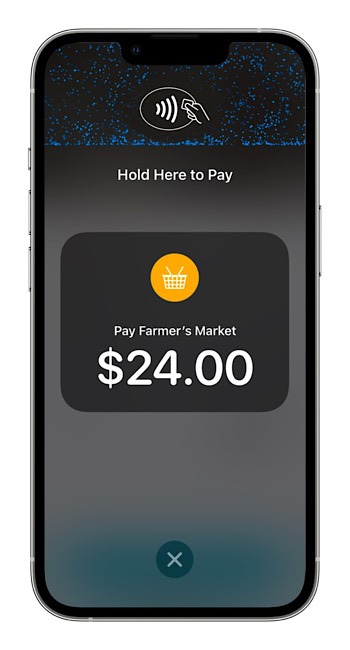
The vendor doesn’t need to do much, as the Tap to Pay user interface will guide the customer through payment. It will show the buyer where to hold their card or device to tap it and show that it was successful. The vendor only needs to tilt their iPhone in the right direction toward the buyer. An animation on the iPhone will show that payment has been completed, and a sound will confirm the success.
Until now, the Apple Tap to Pay feature has been rather limited, but opening it to PayPal and Venmo will extend that a great deal. So many people have at least one of those payment methods on their smartphones.
Additionally, it was recently announced that Venmo, a payment format that PayPal bought in 2013, is a payment option for some Amazon customers. The expectation is that it will be available to everyone for the holiday season.
Perhaps you can use Venmo for your holiday shopping. Find out how to find the best Black Friday and Cyber Monday deals before you start your shopping.
Image credit: PayPal