


Apple has taken a lot of knocks for not being nearly as innovative as they were in the Steve Jobs era. Their last two big releases by Apple were the Apple Watch and the Home Pod. And those were hardly innovative, as Apple was following others into the marketplace. The most innovative thing they’ve done that people are copying is the notch.
Tim Cook and Apple need a homerun. They’re said to be working on an autonomous car, but so is nearly every other tech company, or so it seems. But they’re also said to be working on smart glasses, something that was supposed to be the next big thing for Google, yet it never really caught on. Will this be Apple’s next device?
Innovation?
Apple was always an innovative company under Steve Jobs. The iPod, the iPhone, the iPad, etc. But they haven’t really come up with innovative things since then.
They’ve made some innovative improvements here and there, but there hasn’t been a homerun for the company in quite some time. The Apple Watch has been a big seller for them, but they were not the first smart watch on the market.
The HomePod hasn’t sold well at all, and that’s because they’re chasing the Amazon Alexa products. And Alexa is starting to be used on more than just Amazon devices. Additionally, they control other devices. Currently 20,000 different devices can be controlled with Alexa from more than 3500 brands. The only thing that can be said about the HomePod is that currently it’s the only smart speaker that works with Apple Music.
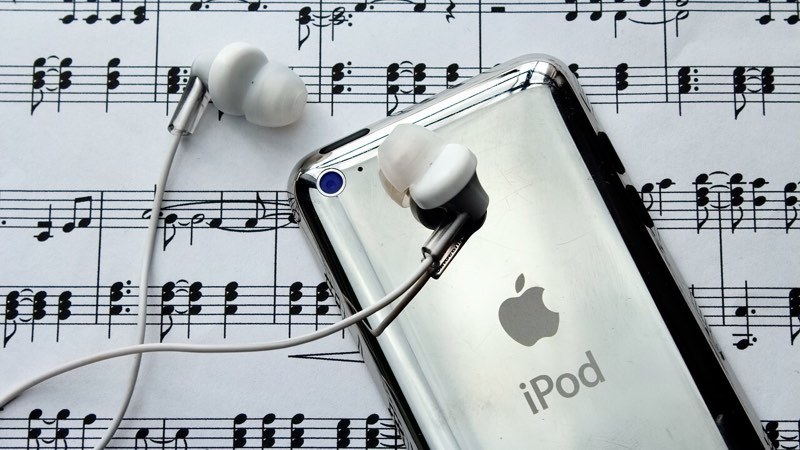
That happens to be another area where they have done well, the Apple Music service. It wasn’t innovative, as they were far from the first to offer streamed music, but now Apple Music has overtaken the behemoth Spotify in number of U.S. subscribers.
But Apple Music isn’t enough to maintain this trillion-dollar company. And they were known for being innovative, not for bringing their own product into an existing market.
Are Smart Glasses Next?
Along with being known for being innovative, Apple is also known for buying small companies that have an innovative product and making the product or the talent at the company part of Apple’s line or staff.
They bought Workflow over a year ago. This productivity automation tool hasn’t been changed much in that time, but in a few weeks when iOS 12 is released, it will turn into Apple’s new feature, “Shortcuts.”
Last week Apple bought Akonia Holographics, a small company from Colorado, for an unknown price. Knowing their history, it’s likely their next big product or talent could come from Akonia.
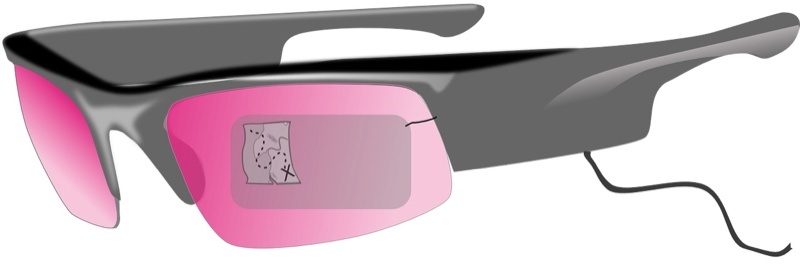
The company’s website says they have the “know-how to uniquely enable thin, transparent smart glass lenses.” They also mention a product that has “introduced new possibilities to finally enable lightweight, high-FOV, and low-cost consumer AR head-worn displays.” Elsewhere on the site they discuss creating lenses for smart glasses.
AR is something Apple has been focusing on for a while. Along with buying other AR companies, they have been pushing their software, ARKit, that designs AR apps for iOS. And last November Bloomberg announced they were working on an AR headset to possibly replace the iPhone.
Current headsets operate in conjunction with a smartphone, but the device Apple is working on will have its own display and run on a new chip and OS, according to sources who are familiar with the situation. It could be ready to go as early as 2020.
Perhaps this could be the innovation the company needs. While mobile phones existed before the iPhone, that device changed things. Maybe the headset could change things as well.
Tim Cook even talked about that last year, stating, “We’re already seeing things that will transform the way you work, play, connect, and learn. Put simply, we believe AR is going to change the way we use technology forever.”
“The Future’s So Bright, I Gotta Wear [Apple] Shades”
We don’t need too many more hints to predict that Apple is getting closer to having this AR headset. But other tech companies are also working on similar devices. Will Apple be late to the party again? Or will they become the pioneers in the market and “change the way we use technology forever?” Tell us what you think Apple is up to and how it will affect technology in the comments section below.