


Apple has come a long way with their ideas on repairs and who should be responsible and under what conditions. For years their policy was once someone outside of Apple worked on the machine, it would invalidate the warranty. It was great business for them but made things difficult for their customers.
They relaxed their rules two years ago with regards to repairing iPhones, deciding to loosen their repair policy for iPhones with a third-party display. That opened things up for people with cracked screens, and the industry has responded with pop-up shops all over that will replace screens very cheaply while still keeping warranties intact for other repairs.
And now an internal Apple document that was obtained by MacRumors shows that support is going to extend to iPhones with third-party batteries.
Apple’s Change of Heart
This is a change that is wise for Apple to do. They were hit not too long ago when their customers found they throttled older iPhones when the batteries started to get older. Apple dropped their charge of a battery replacement from $79 to $29.
And this news was something that hurt their business immensely. The transparency led to mistrust with consumers and also allowed them to now simply get a cheap battery replacement rather than buy a new iPhone.
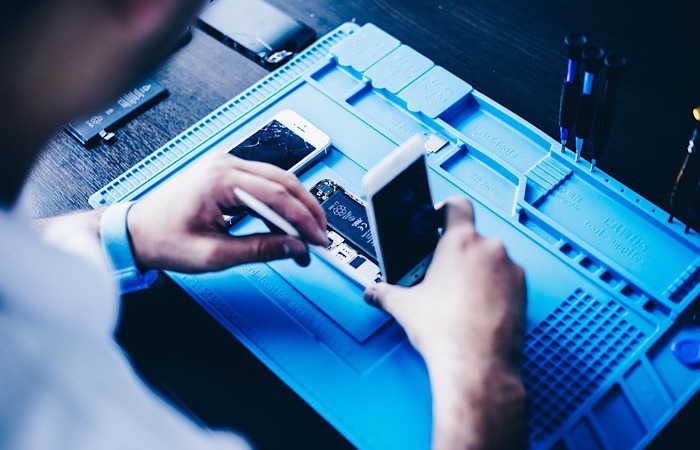
Coupled with that, iPhone users will now be able to get repairs to their iPhones at an Apple Genius Bar or by an authorized service technician even if their battery has been replaced by a third-party battery, meaning it won’t be invalidating your warranty to replace it somewhere else.
And if you need your third-party battery replaced, Apple will still replace it and charge you their standard fee. Technicians will even be allowed to replace your entire iPhone for just the cost of a battery replacement if the battery tabs have been broken, are missing, or have too much adhesive on them. Although, this is at the discretion of the technician.
IFixit’s Kay-Kay Clapp, the director of communications stated, “This decision proves that now, more than ever, the third-party repair ecosystem is an integral part of maintaining Apple’s high-quality customer experience.
“If Apple is getting enough third-party repaired phones for a policy change, they clearly don’t have the reach or capacity to maintain all the iPhones that they’ve sold. All of us, including Apple, benefit from the service provided by the repair community.”
Right to Repair
Despite Apple becoming more lax with their rules, they are still rigid when it comes to other repairs, and they are still resistant to the Right to Repair Act, a bill that has been proposed in the United States that would require Apple to allow customers to repair their own devices without penalties
How do you feel about this issue? Should you be able to repair your own device on your own and still maintain your warranty? Have you ever replaced your Apple battery? Let us know how you feel about this in the comments.