

There’s nothing wrong with wanting to add protection around your information to keep it safe. Because of this heightened desire for privacy, it’s left many people untrusting of technology companies and unwilling to believe them when they say data is safe with them.
Apple made an announcement this week that they will be adding an option that allows you to sign in to other apps and websites with your Apple ID. They’ll be offering “Sign in with Apple” as a replacement to “Sign in with Facebook” and “Sign in with Google” links. But will users trust it?
Google and Facebook
First, we need to take a look at why Facebook and Google are untrustworthy. After the United States 2016 presidential election, it was learned that Facebook allowed Cambridge Analytica to put up personality quizzes on the social network that were actually used to gather customer data to send pointed political ads.
And it didn’t get better after that. Facebook seems to have misstep after misstep. They are simply no longer trusted with data. They’ve been trying to now circle back and offer protections where there previously were none, but it’s too late. Users are tired of them playing fast and loose with their data.
Google has a reputation that is just as bad. They’ve been at this game of selling user data to advertisers for much longer. It’s simply an expected fact that Google uses information they glean from their users.
They use this to insert pointed ads into what they know users are interested in. If you Google a certain brand of shoes, moments later you’re being hit with ads from that brand in news articles that you’re reading. It seems a little creepy at a certain point.
But that’s where Facebook and Google differ from Apple. Facebook and Google are in the ad business. They aren’t protecting your data because they are in business to make money off ads that are shown to you.
Apple doesn’t have a dog in that fight. They’re all about self-promotion. They push third parties away as much as possible. They would rather promote all their own products. Sure, they make money off users as well, but they do it by selling product and not ads. It’s a different animal altogether.
Sign in with Apple
That leaves us with the new “Sign in with Apple” option. I stopped signing in with Facebook and Google after Cambridge Analytica. I simply set up separate accounts with my email. I don’t really enjoy having to use that, but I’d much rather have my email out there then have Facebook and Google selling my information to the highest bidder.
I don’t mind signing in with Apple. I’ve been an Apple user since 1989. They have all the information they need or want from me. I have nothing more to protect. If they were going to give that to advertisers, they would have already done that some time in the past thirty years.
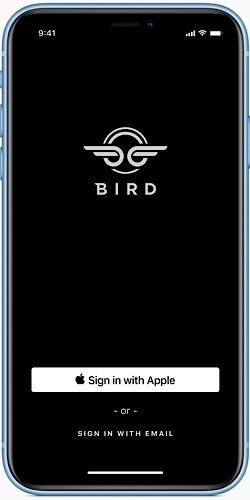
I’ve had an Apple ID for many, many years. So why not use the information Apple already has on me to sign in to websites and apps? Apple’s promising to never track users and says you won’t need to share anything else other than your name and email.
Additionally, Apple is allowing you to hide your email if you desire. Or you can have Apple create a unique email address that will then forward to your more private email. You can delete that unique email address anytime you want. The control is yours.
Will Apple Be Trusted?
Apple was accused last month of selling iPhone listening data, but it’s a claim that hasn’t gained much traction. The few other past claims met the same fate. They simply have not been proven to sell customer data and would not profit in the same way as Facebook and Google if they did.
But will this be enough to satisfy all users? Or will they still insist that Facebook can’t be trusted with their data and refuse to use “Sign in with Apple?” Add your thoughts to the comments below.
Image Credit: Apple and Public domain