
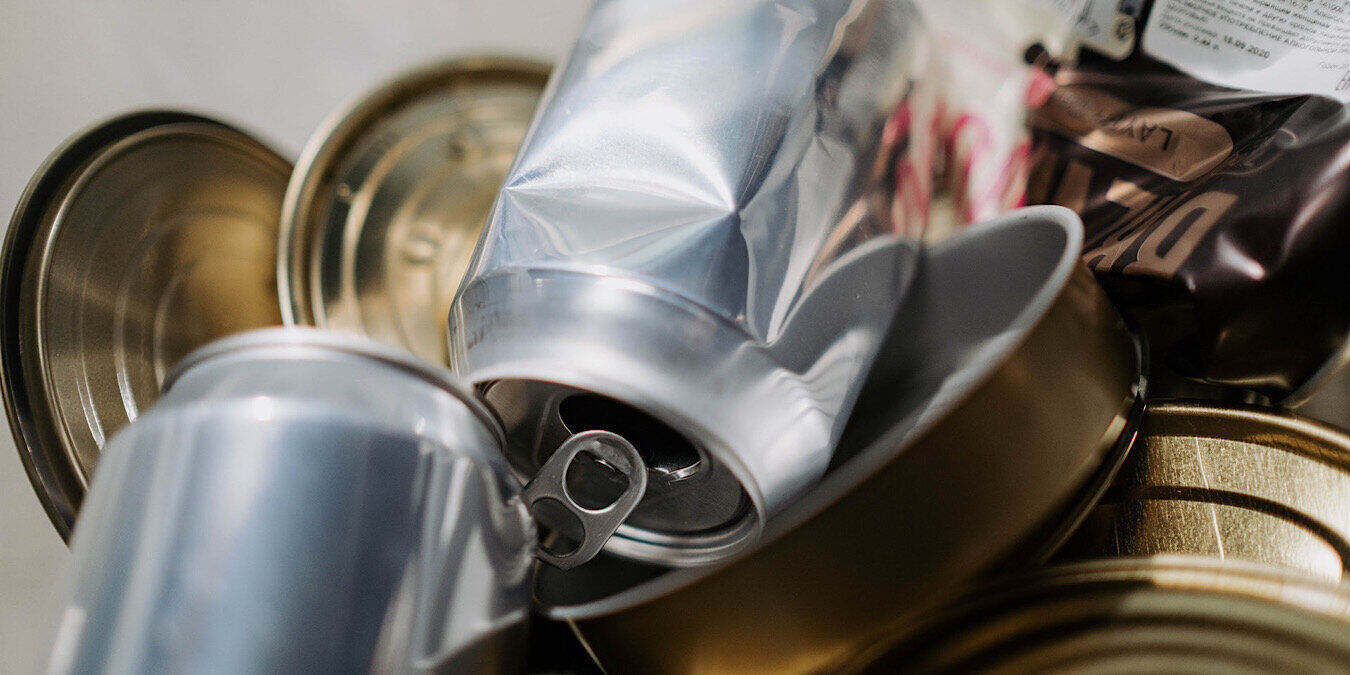

When you toss your beer and pop cans into the recycling bin, then drag that out to the curb, have you ever wondered where they go next? The answer may surprise you. One destination is that shiny new Mac you just bought. Apple revealed in two patent applications it’s been using its own custom alloy made from recycled beer and pop cans.
Apple’s Custom Alloy
Apple is widely known for caring about the environment. This made it no surprise when it announced it was using recycled aluminum in the 2018 MacBook Air. The company reduced the Air’s carbon footprint by 50 percent by using 100% aluminum.
Apple said when introducing the 2018 MacBook Air, “To accomplish this, we invented a new custom alloy. It’s designed to use fine shavings of recaptured aluminum that are re-engineered down to the atomic level. This new alloy is as beautiful and robust as any we’ve used before, and it makes MacBook Air the greenest Mac ever.”
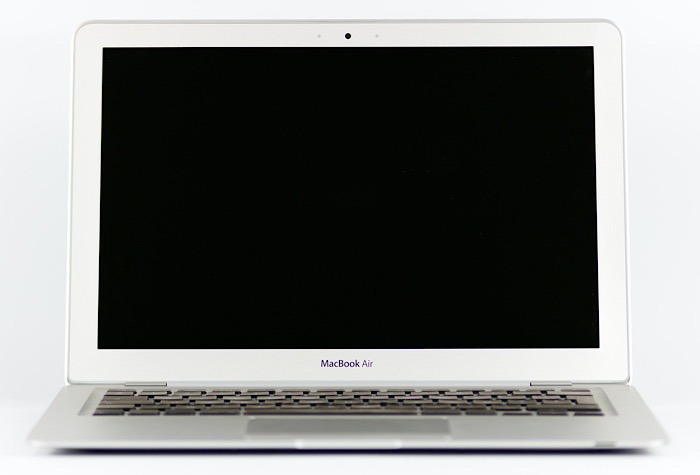
But in 2018, Apple didn’t mention where the “recaptured aluminum” came from. Laura Legros, the company’s vice president of Hardware Engineering, only said the material came from “excess aluminum from the production process.”
Patent Discovery
More of Apple’s process of creating its custom alloy was discovered in one of two patents it recently filed. The patent was titled: “Heat-Treatable Aluminum Alloy Made from Used Beverage Can Scrap.” This patent described how recycled aluminum beer and pop cans were used to create Apple’s custom alloy.
Before you start looking at your MacBook Air and wondering how it could be nothing more than old beer and pop cans, the final metal that is produced is more than just the cans. Other recycled materials are used as well.
The patent application describes the process as a “cosmetic” aluminum that is difficult to create from recycled cans. This is why separate layers are created from different materials. With the surface layer needing to be cosmetic, the substrate layer uses the recycled cans. Inside the pretty finish is a layer trying to help the environment.

For those who wonder why Apple products are more expensive, this could be one important reason. It spends much effort and time creating special materials and processes for important reasons like saving the environment. But the cost gets passed off to you, the end-user.
What is unanswered is why Apple is applying for a patent for the custom alloy process now, three years after the product was used in the MacBook Air for the first time. Perhaps Apple has added to it or changed it in some way. Or perhaps the company is realizing the success of the custom alloy made from recycled beer cans and wants to patent it before using it on more Apple products.
If saving the environment is important to you, you may want to make your next computer purchase a Mac. If you decide to go in that direction, read on to learn how to sync iMessages on iOS and macOS and how to use your Mac more efficiently.