

Apple is planning a news subscription service that is less than popular at the current time. It’s not one that leaves end users or news agencies very excited, but people didn’t think Apple Music would be popular either, and it now has more paying subscribers in the United States than Spotify.
Regardless of the lack of support, they are planning on launching the new Apple News subscription service next spring.
Apple News Service Plans
This is a service that is currently free on Apple devices, with similar services, such as Flipboard, also operating as free. Apple News currently offers free access to several online newspapers and magazines. However, some paid news services, such as The Washington Post, are included but still require that you subscribe to them separately.
Earlier this year Apple acquired Texture, a news company. This app gave users access to about 200 magazines. This was done with the thought of boosting the news offerings in Apple News and to add to their services menu.
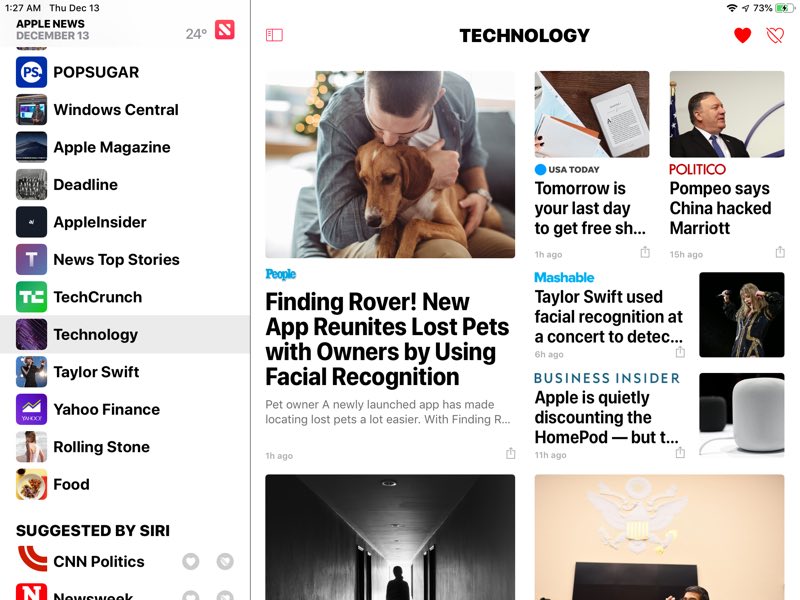
Apple’s Senior Vice President of Internet Software and Services Eddy Cue and his crew want to convince news outlets to offer content with their service.
But the outlets are concerned people would subscribe to the Apple News service to get access to multiple news outlets and then not subscribe to their news magazines/newspaper.
And frankly, print newspapers can’t afford to lose much more. Increasingly, people are turning to online sources for their news, as it’s more convenient, but that’s freezing out the printed sources with many of them only allowing their news to be read online for a fee.
Comparisons are being made to media services where you pay one price and get multiple TV shows and movies, like Netflix or Hulu. Other news services already do the same, but Apple is aiming for something with higher visibility.
Cue and former Conde Nast executive Liz Schimel are trying to convince mews outlet executives that they will have so many more subscribers, that it will add enough revenue for them to exceed what they are currently getting with subscriptions.
Furthermore
There’s a way to make this work, and there’s a way to make this fail. Apple needs to walk that tightrope and keep the services upright. If they do it the right way, they can maybe help fix what has happened to news subscriptions.
Frankly, if anyone can do that, Apple can. Yet, if anyone can make an honest attempt at doing something and be vilified the entire time, Apple can do that too.
As a news writer for a couple of outlets, I currently have a subscription to two news outlets, and I’m considering more. But knowing that this is being introduced possibly in the spring I think I’ll hold off and see if I can get what I want by just subscribing one time. I’m the person the news outlets are wary of with this deal.
How would this affect your news reading? Do you subscribe to any news services, either in print or digital? Would you subscribe to one catchall service? Or do you prefer the a la carte menu? Let us know what you think of the Apple News plan.