

A trend in smartphones has been to make them foldable, and there has been talk about making some with a curved screen. But a slightly bent iPad Pro is not desirable. Nonetheless, that’s how some new devices are shipping from Apple, and they are finally confirming this but are claiming it’s completely normal.
Slightly Bent iPad Pro
This was first mentioned on social media and on MacRumors forums. Users claim their iPad Pros developed a slight curve or bend despite them not doing anything to make this occur or any abnormal treatment to the outside casing.
Users have stated that it happens gradually through everyday use or after transporting it in a backpack. Other users insist their iPad Pros were shipped to them in that condition.
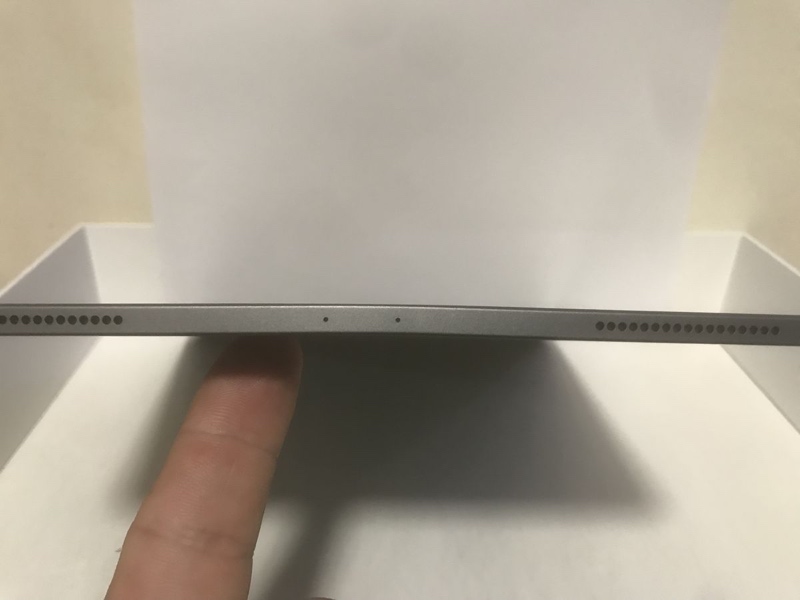
Apple confirmed to The Verge that some of the 2018 iPad Pro units are shipping with a slight bend to them. They believe it’s a side effect of the manufacturing process and that it shouldn’t worsen over time or affect the tablet’s performance. Oddly, they do not consider it to be a defect.
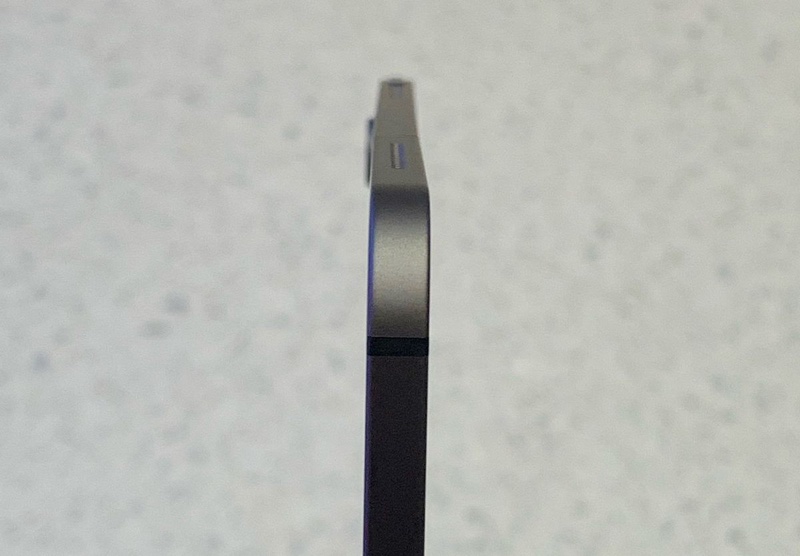
During manufacturing the bend happens after a cooling process that involves the metal and plastic components of the iPad Pro, according to Apple. This can occur with both sizes of the iPad Pro: the 11-inch device and the 12.9-inch device.
The Verve’s Chris Welch admits this has happened to his 11-inch iPad Pro after two weeks. The tech company asked the writer to send it back to them so that they could look at it, but the replacement he received has a slight bend as well and did so right out of the box.
Welch believes, “it’s an issue that seems to be more pronounced on the LTE model, as there’s a plastic strip that breaks up the iPad’s flat aluminum sides; it’s where the antenna line divides two sections of metal that some users have noticed a bend.”
However, Apple did not pinpoint the slightly bent effect to the cellular model of the iPad Pro, and some Wi-Fi model buyers have claimed it happened to their device as well.
The writer notices that this is “out of character for Apple.” While their devices have shipped with working issues that are addressed by them, they usually don’t have cosmetic defects.
However, the iPhone 6 Plus did have problems with bending and with failing touchscreens, Both times the issues were rectified.
Slightly bent iPad Pros should be able to be returned or exchanged through Apple or retailers within their fourteen-day return window, but it’s unknown what will happen after that window has expired. Apple reports they have not seen a return rate with the new iPad Pros that is higher than normal.
Furthermore
I have to admit that this is causing me pause. I am wishing very much to get an iPad Pro, and now it’s making me wonder if I should wait to see what happens with this issue and if they do something to rectify it like they did with the iPhone 6 Plus.
Have you bought the 2018 iPad Pro? Have you noticed a bend or curve to it initially or after a few weeks of use? Add your thoughts to the comments below if you, too, have a slightly bent iPad Pro.
Image Credit: Apple and The Verge