
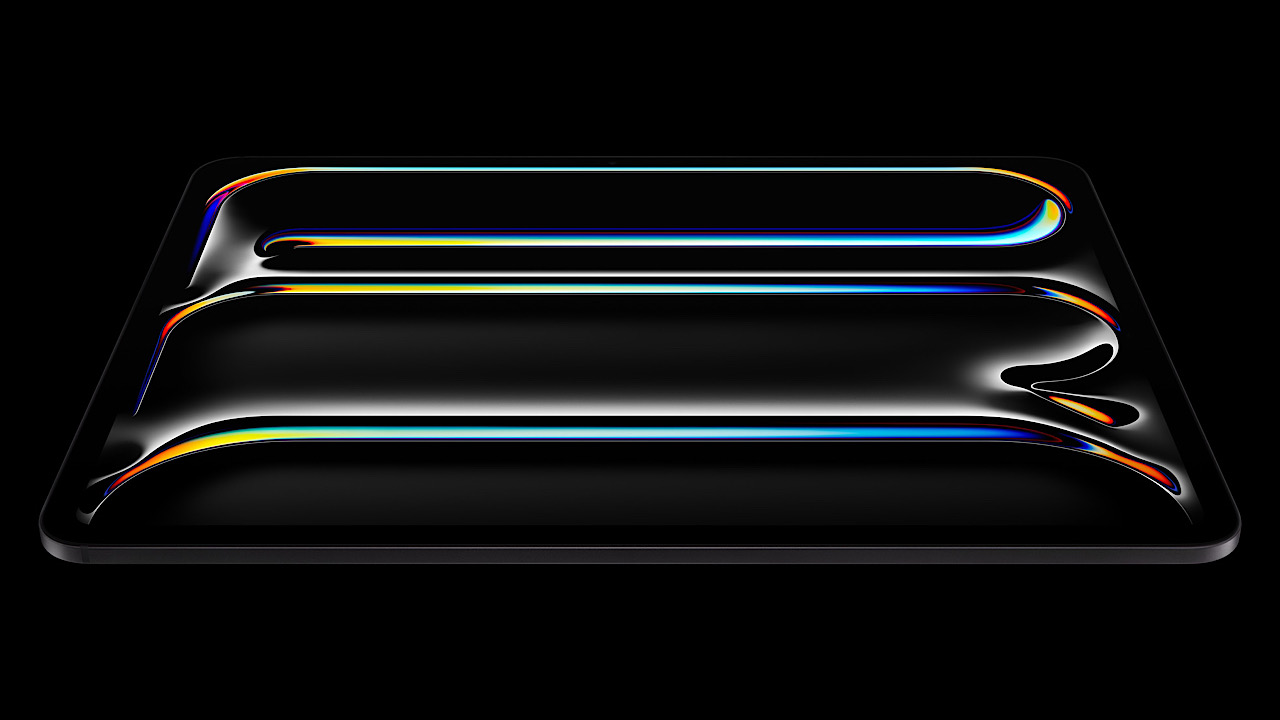

Apple always commands interest and excitement with their product launches, making them into “events.” The latest iPad event, despite only being a month away from the Worldwide Developers Conference, was an event to introduce the new iPad Pro, the first product to include the M4 Apple Silicon. They skipped right by the M3 and went straight to M4. The new iPad Air, meanwhile, will get the M2.
iPad Pro with M4 vs. New iPad Air
It was a two-year wait for new iPad Pros, though I’m still using the previous version, and a two-year wait as well for new iPad Airs. Now that you’ve finally settled the iPad vs. iPad Air debate, you’ll have to decide between iPad Pro and iPad Air.
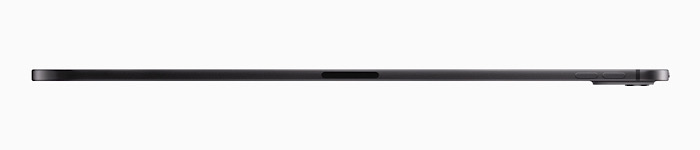
Apple also took delight in announcing that the iPad Pro is the “thinnest Apple product ever.” The 13” model is just 5.1 mm thick, while the 11” is 5.3 mm and weighs less than 1 pound. Both the 13” and 11” are made of 100 percent recycle aluminum and include a new Ultra Retina XDR, with two OLED panels to bring a better brightness. An updated camera system makes document scanning easier, eliminating shadows.

The iPad Air is also now in the 11” and 13” sizes for the first time and is available in four colors, rather than just the two of the iPad Pro. The front-facing Ultra Wide 12MP camera is now on the landscape edge for better use with Center Stage during FaceTime, as it is now on the Pro as well. Landscape stereo speakers are also included. Both the Air and Pro also have faster connectivity with Wi-Fi 6E and 5G, allowing for better performance in work, streaming, gaming, and more.
Upgraded iPad Accessories
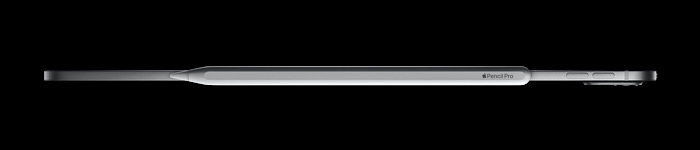
Apple also introduced a new Apple Pencil Pro, with features that surely every professional has been asking for. You can squeeze, barrel roll, and get haptic feedback to enhance your note-taking and drawing. Double-tap it to switch tools, and hover over the area you’re working in to preview before the stylus touches the display.
What I find particularly more useful than anything else, is that it also includes Find My. I can’t tell you how many times I have lost my Apple Pencil in my couch and have to tear apart the cushions, only to find that I somehow launched it across the living room. The iPad Pencil Pro is compatible with the iPad Pro and iPad Air.
A new Magic Keyboard was also introduced. It has one feature that I’ve been waiting for, and that’s a function key row. It’s sorely missing, and I hate having to adjust the volume on the iPad itself, rather than the Magic Keyboard. It also includes a larger, redesigned glass trackpad with haptic feedback. That should help a lot with productivity woes, but it’s only available for the iPad Pro.
AI technology was nearly skipped over in the event, despite the rumor mill stating that much of the redesign would be AI inspired. Surely, it will be mentioned next month at the WWDC event. Additionally, it was mentioned in the iPad news release that with the M4 and M2 features, Neural Engine, CPU, GPU, and developer frameworks in iPadOS, the iPad Pro and iPad Air will be powerful devices for AI. Specifics just weren’t mentioned too much.
All new products are available for preorder starting today for delivery and availability in stores on May 15.
Image credit: Apple