
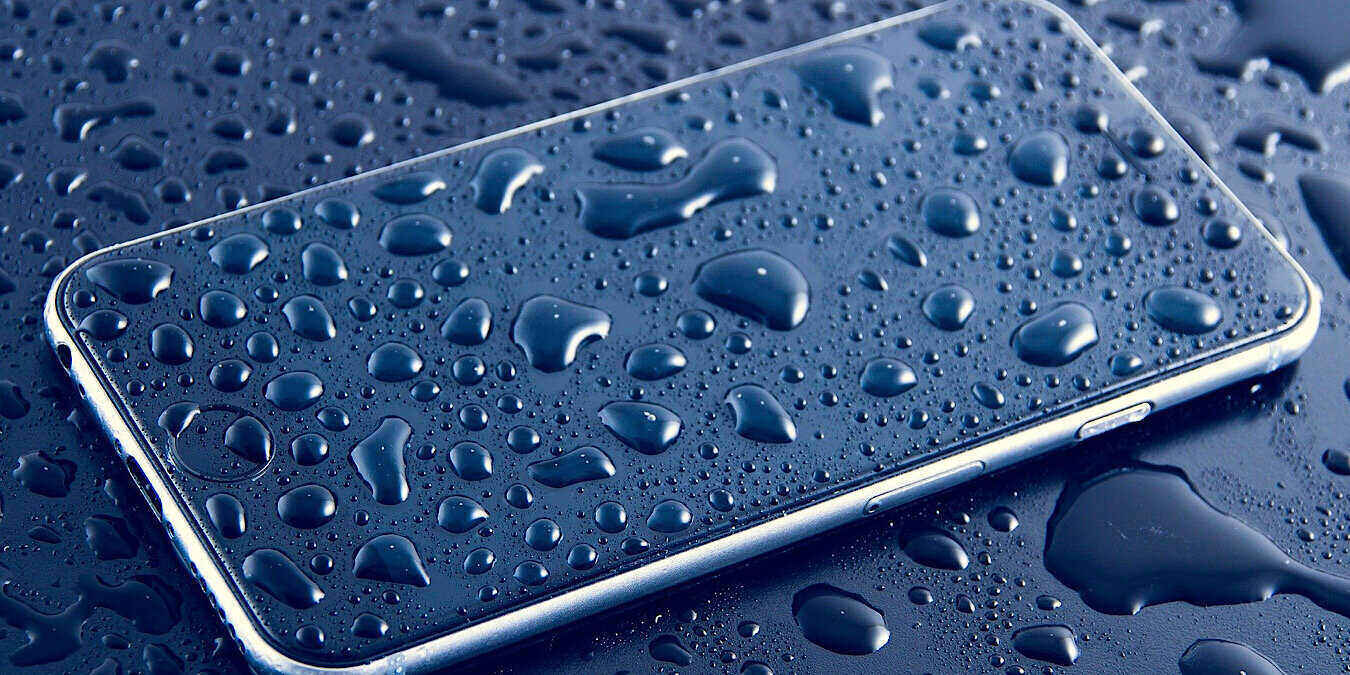

We ask a lot of our smartphones. Making and taking calls just simply isn’t enough. They need to be quick, have a great camera, be large enough but not too big, etc. Because we don’t all take care of our things – we want them to be water resistant as well. Apple has been advertising the iPhone as water resistant, but Italy fined the company €10 million for misleading its customers with that claim.
Apple’s “Water Resistant” Claims
ACGM, the competition authority in Italy, notified Apple that it would be fining the company for marketing iPhone 8 through iPhone 11 as water resistant. It’s not just that Apple makes the claim that the handsets are water resistant – it doesn’t back that up in the warranty. This led to a number of consumer complaints.
AGCM issued the decision of the fine around the end of October, though it has just this week been made public. The decision concluded that Apple violated Italy’s consumer code twice because of “misleading” and “aggressive” commercial practices.
The belief of AGCM is that the marketing for the iPhone tricked buyers into believing it was waterproof rather than water resistant, as the limitations were not very prominent in the advertising. A disclaimer that said the Apple warranty excluded damage by liquids was seen as aggressive in its attempt to find a way around consumer rights obligations because of the advertising showing the iPhone to be water resistant.
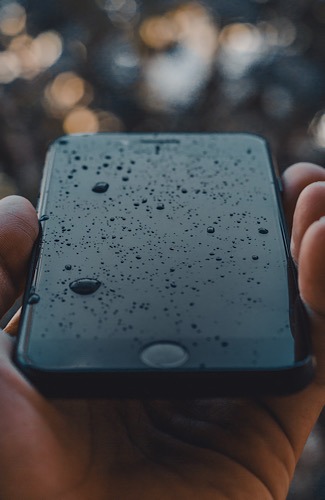
As people who have had a water-damaged iPhone will tell you, there is a liquid contact indicator that Apple places inside iPhones. It changes from a white or silver color to red when it comes into contact with liquid. As a normal step when you visit Apple for a repair, they check that indicator.
I had that happen myself when my phone fell in the sink. The Apple employee found it right away when I complained that my phone wasn’t working.
AGCM’s decision also includes examples of water damage that wasn’t covered. There were cases of iPhones that had taken a “short dive” in the ocean, yet Apple didn’t cover it under the warranty. Another person washed the phone under the faucet, which Apple decided was improper use. I’d have to agree with that one.
The owner of an iPhone XR said it stopped working after it came into contact with water. Apple advised them to buy a new device at a subsidized price. An iPhone XS user said the phone never came into contact with water, yet Apple refused to cover it. The iPhone owner said they had no way to prove it was not water damage.
Italy’s Fine of Apple
Apple has 60 days from the date it was notified of the fine to appeal. The €10 million penalty is under half of the operating profit it made in Italy between September 2018 to September 2019.
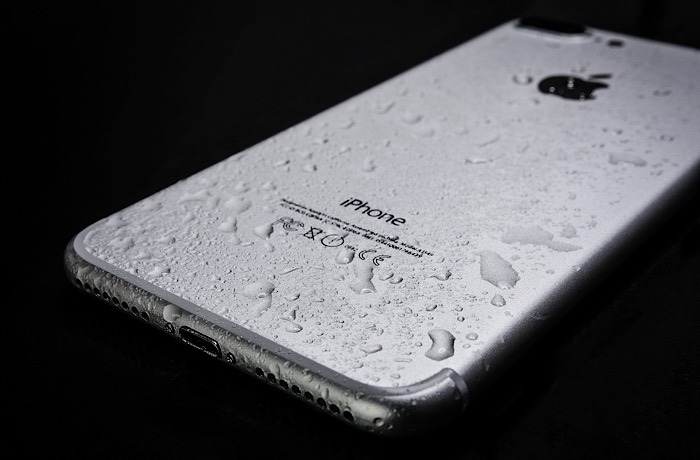
The company has faced its share of international fines. In 2018, AGCM fined Apple and Samsung around $15 million each for forcing users to update their phones when it could have slowed or broken their handsets. This past February, Apple was fined $27 million for putting a limit on the performance of iPhones with older batteries.
France’s competition authority fined Apple $1.2 billion in March for operating a reseller cartel along with two partners – Ingram Micro and Tech Data. French authorities also hit the company for €500 million in back taxes last year.
Apple has around $15 billion in escrow to cover a”State Aid” charge for the European Commission that it illegally benefitted from corporate tax arrangements in Ireland between 2003 and 2014. Apple and Ireland won an appeal last summer, but the commission appealed that decision in September. It’s still not settled.
Apple’s troubles aren’t only coming from across the pond. It’s also battling with Epic Games and other developers regarding its App Store policies.