

It just gets easier and easier to not ever have to use paper money. There’s just no need with the advancements in paying with a credit card. Apple is going to make it a bit easier with its acquisition of Mobeewave, a technology that will turn an iPhone in a payment terminal.
Apple Acquires Mobeewave
Contactless payments have been available for some time now. You can hold either your credit card with a “chip” or your phone that has a payment app near the payment terminal to make a payment. Additionally, the Square has opened up payments to small businesses, allowing them to attach a device to their phone to allow contactless payments or non-contactless payments.
Apple has its payment app, Apple Pay, which requires two-factor authorization or NFC. Once users add their credit card to the app, it allows them to use their iPhone as a contactless payment. They authenticate with Touch ID or Face ID. Payment can be made with an Apple Watch as well by double-clicking a button.
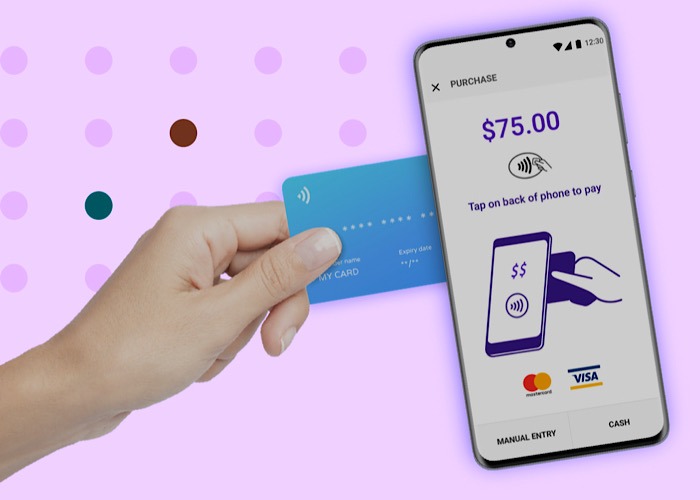
In addition to this, Apple has now acquired Mobeewave for $100 million, according to people familiar with the matter. This company has a technology that lets users tap their credit card or smartphone on another smartphone to pay. It doesn’t require any hardware like a Square. All it requires is an NFC chip, which iPhones have had since 2014.
In the deal to acquire Mobeewave, Apple is retaining its employees, who, for now at least, are continuing to work out of Montreal, according to the sources who asked not to be identified, according to Bloomberg.
“Apple buys smaller technology companies from time to time, and we generally do not discuss our purpose or plans,” said an Apple spokesman.
This is true; Apple does often acquire smaller companies. One of its most-publicized recent pickups is the Dark Sky weather app. It has just been discontinued for Android users.
More About Mobeewave
Last year Samsung partnered with Mobeewave to allow its phones to use the technology. Samsung is also an investor in the startup. Perhaps Samsung will now be locked out of the terminology after the Apple pickup, just like Androids were for Dark Sky.
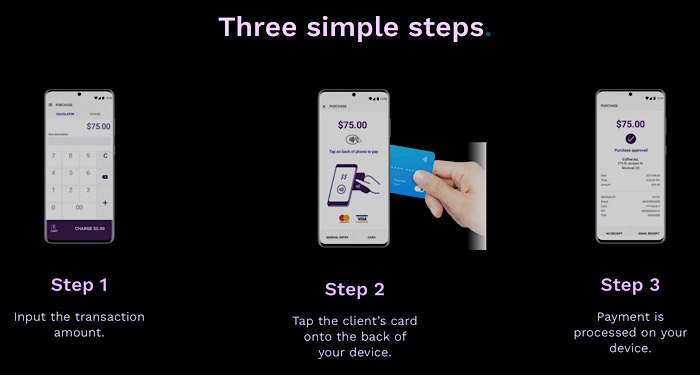
On the Mobeewave website, it shows the steps for using its payment technology. The “seller” inputs the dollar amount on an app, the “buyer’s” card is tapped on the back of the seller’s phone, and this processes the payment.
Ostensibly, with Apple’s existing NFC technology, if both phones have this, it seems as if it would be possible to tap the two phones together to initiate the payment, instead of having to dig out a credit card.
Read our article on whether contactless payments are safe to determine if this is a technology you want to consider.
Image Credit: Mobeewave and public domain