
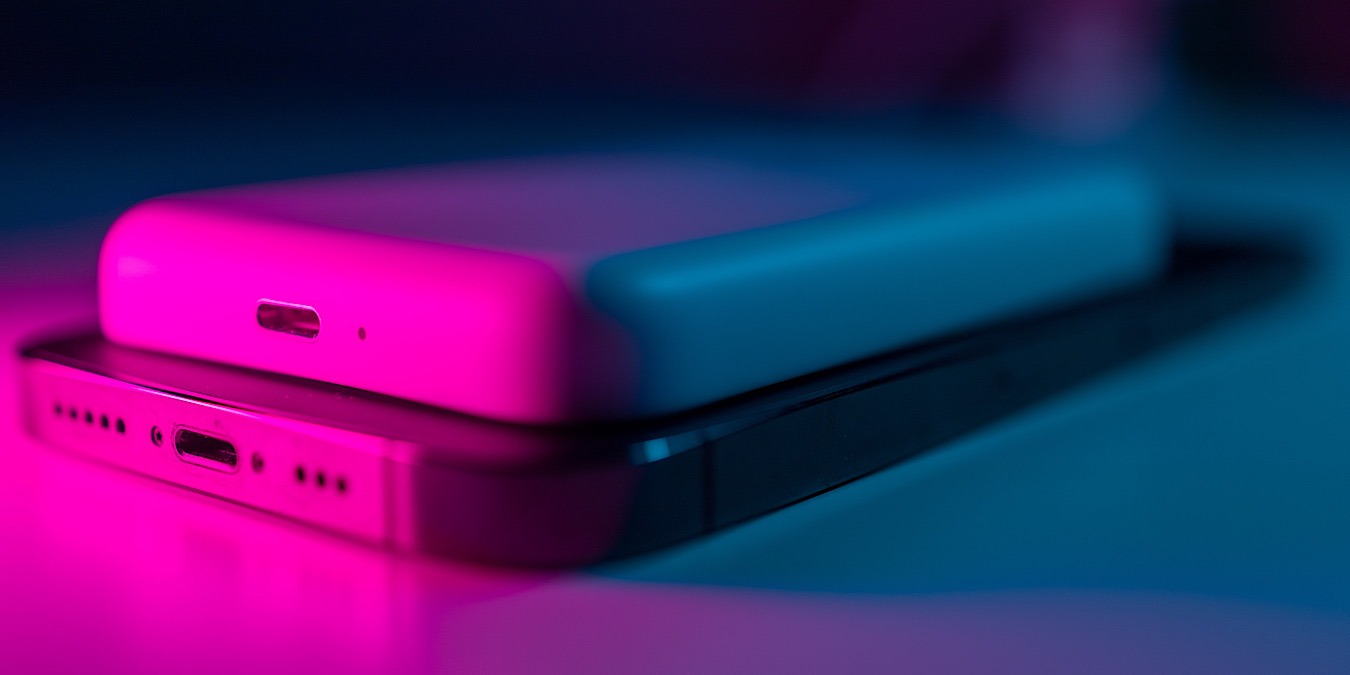

A few years ago, Apple made the controversial change to stop including chargers ad headphones in the box with new iPhones. Not only did this move upset customers, but Apple was sued for not including a charger, and the MagSafe Battery Pack that Apple sells instead wasn’t fast enough. Apple has now sped it up with a firmware update.
Also read: The Best Wireless Chargers and Buying Criteria to Watch For
Apple Loses Charger Lawsuit
In 2020, Apple stopped shipping chargers and headphones in the box with the iPhone 12. While this was upsetting to many users, it caused Apple the most trouble in Brazil. The Brazilian government has repeatedly fined Apple for the missing chargers – but it doesn’t stop there.
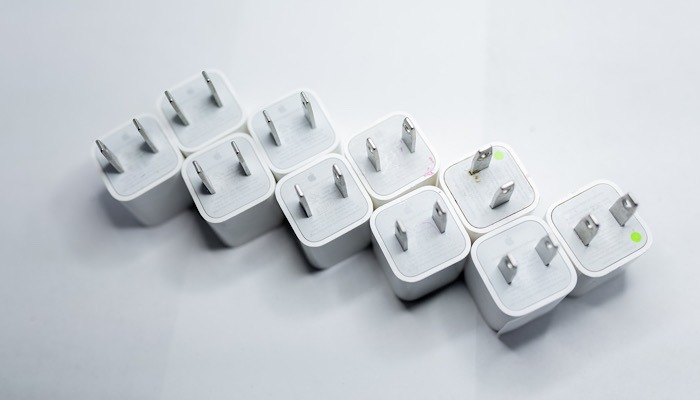
A Brazilian iPhone user sued Apple for not getting a charger with their phone. The court ruled that Apple violated Article 39 of Brazil’s consumer code. This prohibits companies from “tying” or “married” sales. When an item is sold, it shouldn’t require the use of an accessory for it to work. It should be standalone.
Apple argued this in court, claiming customers aren’t required to use its chargers – any third-party charger would suffice.
Further, Apple claims it’s leaving less environmental impact by not shipping chargers with iPhones, as existing iPhone users can just reuse their old chargers. Some users would be prevented from doing so, however, as the cable that was included with the iPhone 11 is Lightning-to-USB-A, while the iPhone 12 charging cable is Lighting-to-USB-C.
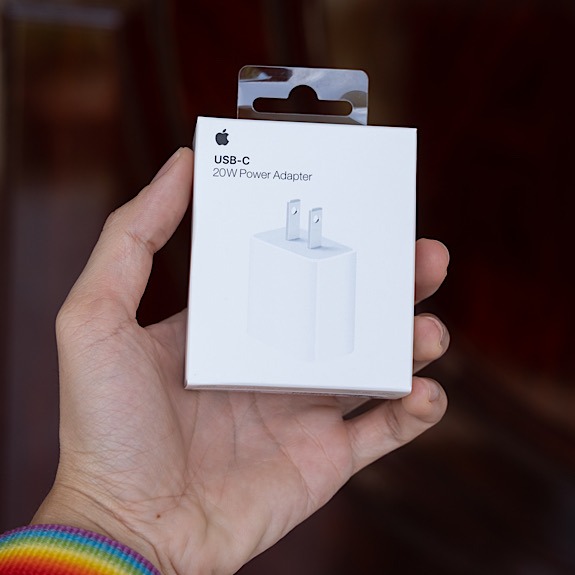
The Brazilian judge’s decision required Apple to pay the equivalent of $1,081.69 to the plaintiff, which is close to the price paid for the phone. While there was less environmental impact in not manufacturing a charging brick, it could be argued that there was much impact from the case playing out in court.
MagSafe Charger Firmware Update
Also going against Apple’s environmental impact argument is the MagSafe charger. Since 2006, the magnetic charger has been paired with Apple laptops. When the iPhone 12 stopped shipping with the charger, Apple started selling the wireless MagSafe Battery Pack.
The battery pack is not without its faults – in fact, it has one big fault: charging speed. While similar products charge 7.5W, when the Apple MagSafe Battery Pack is wired, it can charge at speeds of 15W. Yet, when wireless, it could only charge around 5W.
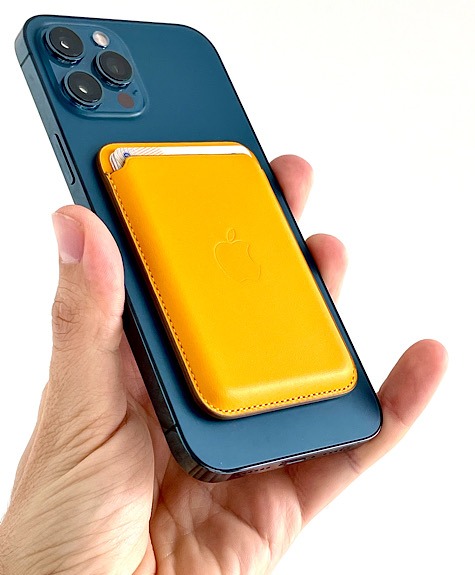
Apple intentionally kept the speed down to 5W to not reduce its longevity and capacity by the generated heat of the faster speed.
Yet, Apple revealed this week that a firmware update brought the wireless charging speed up to 7.5W to match that of its competitors. It’s not known why the harm of the faster charging no longer matters.
Apple says the MagSafe Battery Pack will update on its own when it’s attached to an iPhone that is connected to the Internet. However, it could take up to a week for the rollout to hit all of the battery packs.
This isn’t the one problem Apple has faced with the MagSafe Battery Pack. Read on to learn about the issues with people who have pacemakers.