

It isn’t news that Apple distributed updates that slowed down older iPhone models, but we may finally see a conclusion to the debacle. While the case hasn’t been wholly approved at the time of writing, Apple has agreed to pay a $500 million fine for slowing down its older models of iPhones.
Why Is Apple Under Fire?
Apple is in legal hot water after they deliberately slowed down iPhone 6, 6+, 6s, 6s+, 7, 7+, and SE with an update that throttled performance.
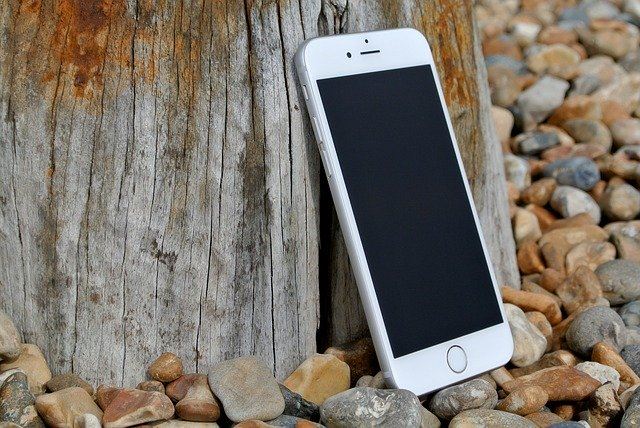
This first came to light when users noticed a drop in performance after the system update. In response, Apple stated they slowed down the phones to preserve the battery. As the phone’s battery aged, the operating system would throttle the processing power to prevent issues such as sudden shutdowns.
Consumers, however, weren’t convinced. Due to the sneaky nature of this slowdown update, many believe that Apple slowed down older models to encourage users to purchase new batteries or upgrade their phones to the newest model. This is something Apple has denied; in the court case, they claimed their actions were not malicious.
Whether the update was meant to benefit the public, or it was a scheme to get people to upgrade their phones, the court case tackled one flaw. Due to Apple staying silent about the throttling, it caused people to purchase brand new phones in the belief that their old one was reaching the end of its life. In actuality, users only needed to get a new battery to reduce the throttling.
Users have stated that if they had known of this feature from the start, they would not have bought the phone in the first place. As such, regardless of Apple’s true intentions, their secretive nature landed them in a court case.
Apple has since tried to rectify the problem by lowering their battery prices from $79 to $29, as well as offering a way to disable the throttling. Despite this, Apple still faced legal problems and decided to settle in order to avoid litigation.
What Will Apple Do Now?
Now that Apple has settled, it has to pay up. Named members in the case will receive $1500-3000, and the attorneys will get around $90 million. Anybody who has, or does, own an iPhone 6, 6+, 6s, 6s+, 7, 7+, or SE can claim $25 from Apple.
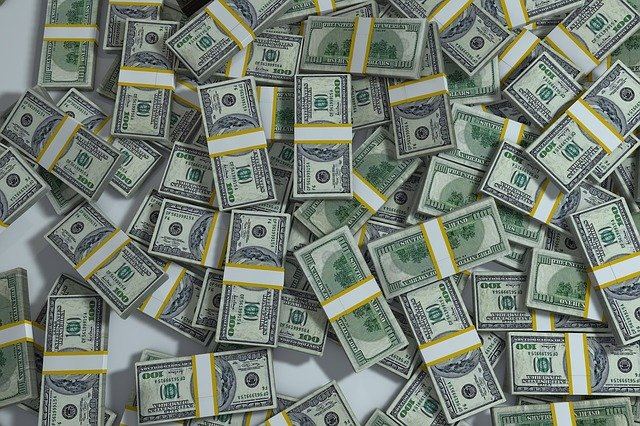
The court has stated that Apple must pay a minimum of $310 million, so if only a few owners claim their money, the other members of the case may receive more. Conversely, the fine has a $500 million maximum, which will reduce the payment owners get if exceeded.
It is currently unclear how users will receive their $25. If you are or were once the owner of one of the phones mentioned, it’s worth trying to find proof of purchase to make your claim if needed.
Fixing Past Mistakes
Apple faced criticism when users caught the company slowing down the older iPhones. Apple claimed it was for beneficial purposes, while users claimed the company pushed them to upgrade. Whatever the reason was, Apple must now pay up to $500 million, including paying $25 to older iPhone owners.
Did you own an older iPhone that was affected? Let us know below.