


Medical alerts are what Apple is concentrating on with wearables and the iPhone. But Google has another emergency service planned. It’s expanding Android earthquake alerts and detection to more locations domestically and internationally. Starting in May, it will start including the state of Washington.
Expanding Android Earthquake Alerts
As Google pointed out in its blog, during natural disasters and emergencies, “every second counts.” It’s important to learn about them as soon as possible for the best chance at limiting injuries and fatalities.
With earthquakes in particular, research shows that half of all injuries could be prevented if early warnings were a possibility. Especially if you live in an area prone to earthquakes, it makes sense to do everything you can to be on the good side of the 50 percent line.
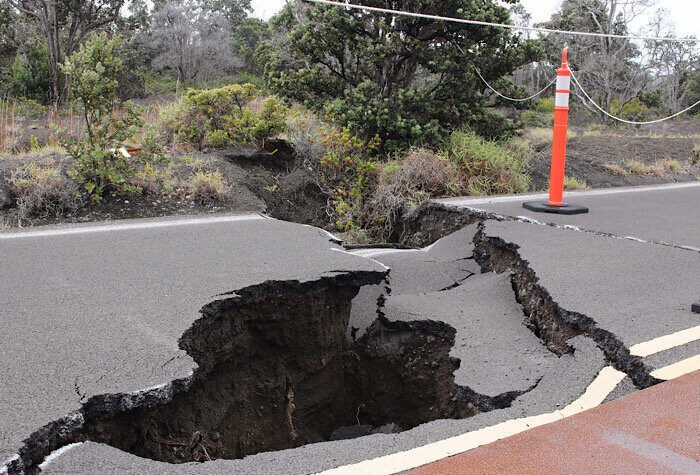
Google launched the Android Earthquake Alerts System last year to make sure no time is wasted when an earthquake occurs. The system uses sensors in Android phones to detect earthquakes. All you need to do is search “Earthquake near me” to learn what’s happening near you.
The Android earthquake alerts began partnering with the United States Geological Survey in 2020 to go beyond just detecting earthquakes – to alert users to them as well. These alerts were first made available to California users. It later expanded to Oregon, and starting in May will also be in Washington.
Having both the alert and detection systems could be especially helpful in areas that don’t have early warning alert systems. Google is expanding its service internationally starting with Greece and New Zealand. Residents with Android smartphones will get early warning alerts of earthquakes near them. If anyone wishes to not be notified, they can turn the feature off.

The accelerometers in most Android phones are used to detect seismic waves, a sign that an earthquake could occur. If shaking is detected, a signal is sent to Google’s earthquake detection server along with a location of the shaking phone. The information from a group of shaking phones is used to determine if an earthquake really is on the way, as well as its location and magnitude.
Unique to Android
The earthquake alert system is unique to Android smartphones. While iPhone seems to be concentrating on health concerns, Android is reaching outside that to find something equally important. To be notified early of an impending earthquake could save lives. It may change decisions and keep people at home when they were considering venturing out.
Would having early detection and alerts of earthquakes convince you to buy an Android or stick with Android if you already have one? Let us know in the comments.
Learn how to create an emergency Android routine with Google Assistant.