

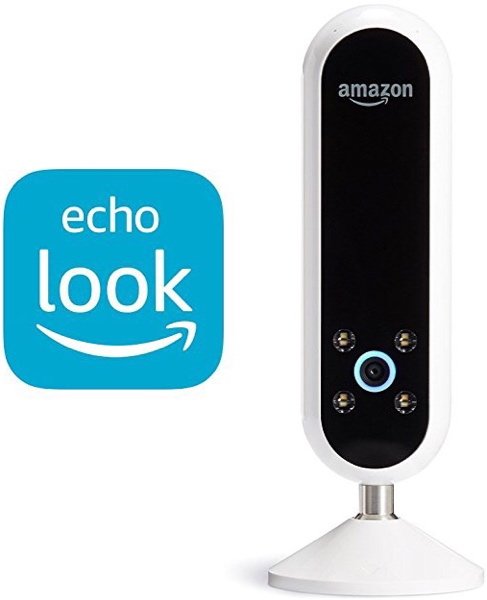
Do you struggle to find something to wear each day because you don’t have anyone to offer you opinions and suggestions? Your worries are over because Amazon’s Echo Look camera is now widely available. The device will work as your personal “style assistant” with the use of Alexa.
How It Works
Amazon’s Echo Look camera will analyze your personal style and make recommendations on what to wear through machine learning. It even has the full support of Amazon’s voice assistant, Alexa.
The device has a camera that uses hands-free voice commands to take a picture or video of what you are currently wearing. You can add your wardrobe to the app and organize it into Collections. The Daily Look feature will allow you to take a photo of your outfit so that you can reference it later on. Your collections can then be organized by favorites, seasons, and also the weather.
But where the Echo Look really shines is through the Style Check feature. It will review photos of two outfits to give you “a second opinion on which looks best on you.” Machine learning algorithms helps the device decide, as do human fashion experts.
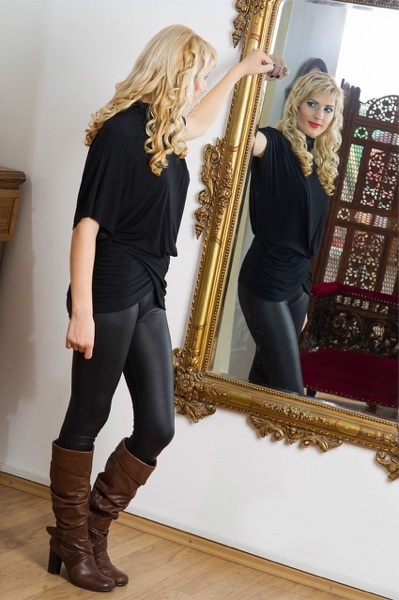
In the space of a minute. the Echo Look will evaluate “fit, color, styling, and current trends.” When it gives you the answer on which outfit looks best, it also provides you an explanation on why it chose one outfit over the other.
Improving the Echo Look
Amazon has added even more functionality to the Echo Look since it was first released. It doesn’t only help you decide which outfit looks better, but now will also suggest items in the smartphone app “that pair well with clothes you already own to help you get more out of your closet.” Of course, the clothing that it suggests would look good on you can be purchased from Amazon.
And if you want more of an opinion than just from the device, you can get feedback through Community Voting that will let you submit polls on your outfits to Amazon’s Spark community.
GQ and Vogue provide content to the app as well. Articles from the magazines will show on the home screen gallery of the app. Tapping on the article will redirect you to the magazine websites where you can also shop for the clothing seen in the story.
As it’s from the Amazon Echo line, the Echo Look can also recognize voices through Speaker ID. Once you create a voice profile, when you ask the Echo Look to take a photo, it will recognize your voice and assign the photo to your profile. This will make it easier to share the device and app with another person and will keep your catalog of outfits separate.
Alexa can be used as well with normal Alexa features such as calling, messaging, music, calendar, weather, traffic, and of course, shopping.
Will This Change Fashion?
While the Echo Look camera was previously only available through invitation only, it’s now available for all through Amazon for $199.99.
This just opens up a world of possibilities. Perhaps because you can connect to your weather through Alexa, maybe it can make suggestions for what you should wear based on the weather. Maybe since it can connection to your calendar, it could eventually make suggestions for what you should wear to different events in your calendar. That seems like a situation where it would truly shine.
There isn’t anyone who hasn’t occasionally looked in the mirror and wondered if something looked good on them. And this provides a definitive answer. But it’s also easy to see that people who are creeped out by technology infiltrating into their life will ultimately feel the same in this situation.
Where do you fit? Would you be creeped out by this intrusion or would you welcome the help Amazon’s Echo Look provides? Sound off below in the comments section and let us know what you think.