
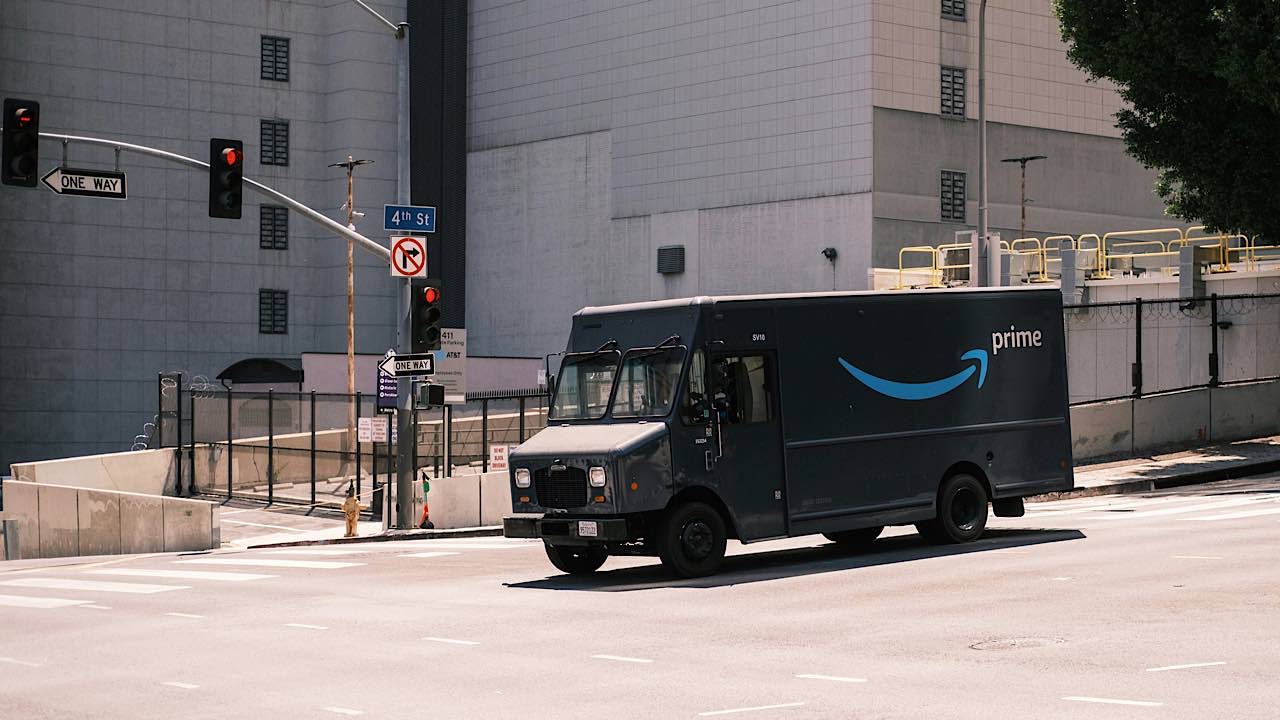

Amazon Prime set a precedent with its free one-day deliveries. It makes paying the subscription fee worth it. But what if you paid the fee, only to find Amazon is not honoring its end of the deal? Amazon is the subject of a lawsuit that says the retailer made deliveries slower in two low-income zip codes but didn’t tell those residents, and still accepted the Prime subscription fee.
Lawsuit Accuses Amazon of Deceptive Delivery Policy
I have to admit: it’s the reason I pay for Amazon. I want those free next-day deliveries. Why leave the house if you can get nearly anything you want in 24 hours, and the things you can’t get in that time are usually delivered in 48 hours, and some stuff is delivered overnight. Trust me when I say that I order enough that I make that $139 fee back.
But if you’re not getting that same delivery time as others, you would start to question why you’re paying that $139. That’s the case for people who live in two zip codes in the Washington, D.C. area.
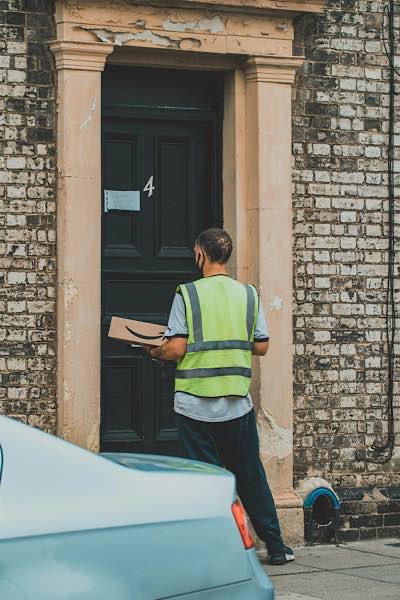
According to the lawsuit filed by the D.C. attorney general, Amazon started excluding residents of the two zip codes in 2022. Members wait for UPS or the U.S. Postal Service to deliver their purchases, and that takes longer than Amazon deliveries.
Not only do these residents have to wait for their deliveries, despite paying the $139 yearly for the Amazon Prime service, no one notified them in 2022 that they would be getting delayed packages. The attorney general believes the residents were misled about the reason for the delay.
The lawsuit is asking for the policy for the 48,000 residents in those two D.C. zip codes who paid for Amazon Prime to be reversed. It is also asking for financial damages.
Good to know: as if slower deliveries weren’t enough, you also need to watch out for these Amazon Prime Day scams.
Slower Deliveries a Consequence of Safety
Not surprisingly, Amazon is not admitting to deceptive practices. Kelly Nantel, an Amazon spokesperson, says the accusations raised in the lawsuit are “categorically false.” She says it’s made very clear during checkout what day the purchases will be arriving. I have to say, that’s true.
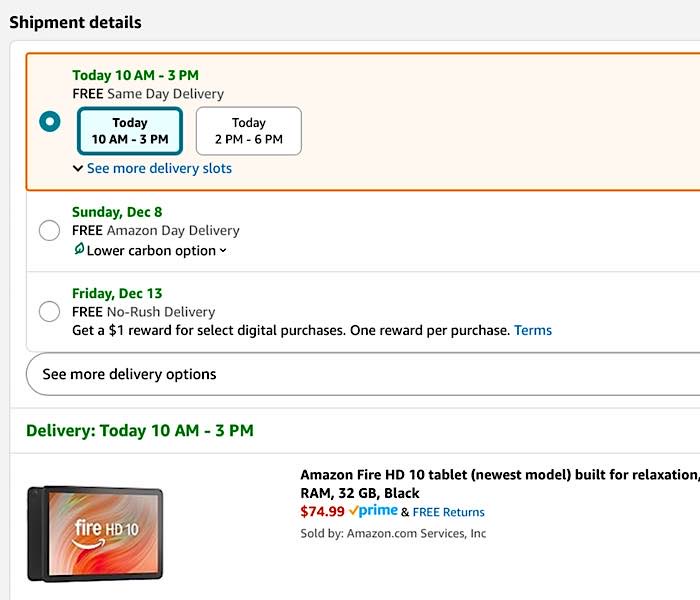
The simple explanation for the slower delivery times to those two zip codes is safety. While it’s important to Amazon to deliver all Prime purchases as quickly as possible to all customers, they are prioritizing safety of their drivers above speedy deliveries.
Further, Nantel said Amazon would like to partner with the attorney general’s office to work on reducing crime and improving safety in those two areas with slowed delivery times.
Amazon’s decision to no longer deliver to those two area codes was due to “concerns about driver safety.” The attorney general agrees that it’s within the retailer’s rights to protect their workers, but they can’t continue to charge people for services they aren’t receiving and not notify them.
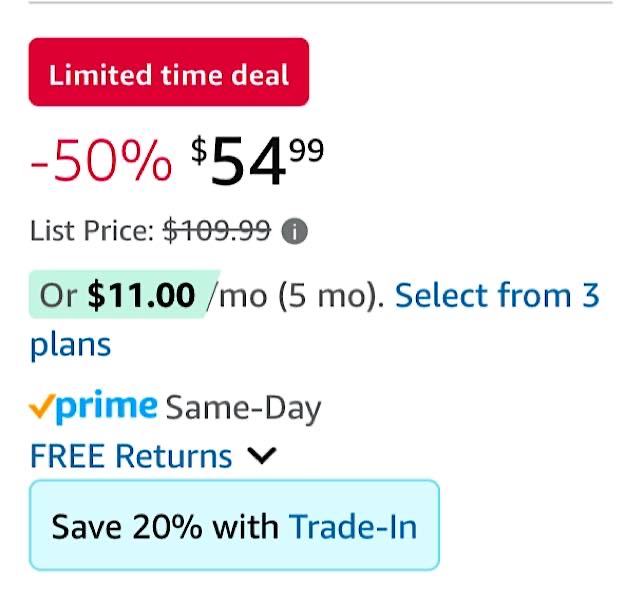
One D.C. resident said deliveries went from two days or fewer to taking up to four days – and sometimes more. She noted that Jeff Bezos, the Amazon founder and owner of The Washington Post, lives in a more affluent area in town. She’s asking for the same service he gets.
I have to say that I agree with the D.C. attorney general. Amazon has the right to prioritize driver safety, even at the expense of delivery times, but it seems disingenuous to continue to accept the $139 yearly fee and not inform the customers. If you’re in one of these areas, or similar, that aren’t receiving timely deliveries, follow these steps to cancel your Amazon Prime membership.
Image credit: Unsplash. All screenshots by Laura Tucker