
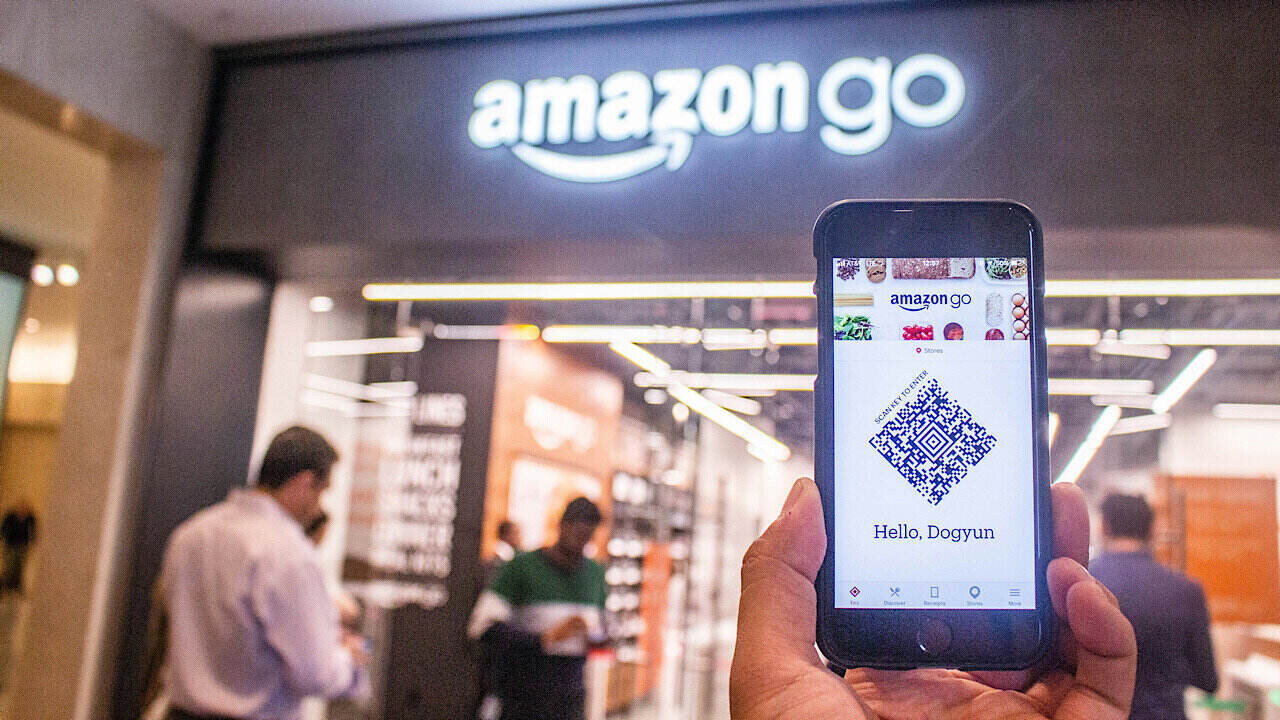

Imagine that you’re headed to your gate at the airport and realize you forgot your headphones or want to pick up a quick snack. You don’t have to waste your time waiting in a long line to check out. You’ll have a better shot at catching your flight, as you can pop into a third-party store equipped with the Amazon Just Walk Out technology. Pick up the item and walk out. The bill will catch up with you later.
Amazon Smart Shopping
Amazon’s checkout-free technology, Just Walk Out, has been around for a few years. Amazon first put it in its own brick-and-mortar stores, then started putting it in a few smaller third-party locations. Now Amazon is amping up to add Just Walk Out to even more small third-party stores, such as airport newsstands.
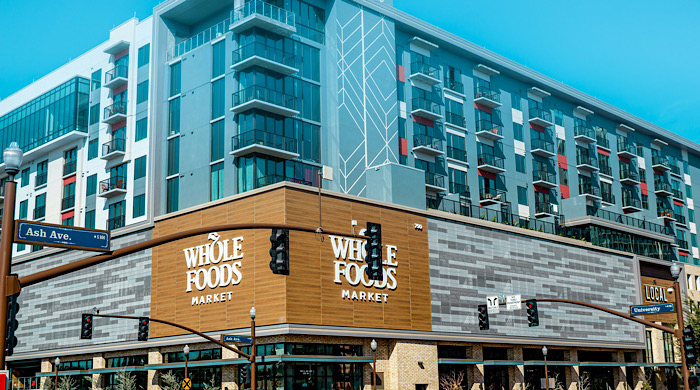
Initially, Amazon built the Just Walk Out, Amazon Dash Cart, and Amazon One technologies, with computer vision, sensor fusion, and generative AI, for their own brick-and-mortar stores, like Amazon Go and Amazon Fresh. They recognized that people hate waiting in lines. So they made it so that you could walk in, scan yourself in, pick up your needed items, then just walk out. It takes the idea of the self-checkout a step further.
Tip: don’t want anyone to see some of the things you bought? Learn how to delete purchases from your Amazon order history.
Amazon claims that its customers enjoy the same technology in the larger stores. Amazon Dash Cart is a smart shopping cart that uses the same computer vision technology as Just Walk Out. The cart even helps them find items they can’t find in the store. The company has expanded that and added it to all Amazon Fresh stores, as well as some third-party grocery stores.
Amazon One is a palm recognition technology. Shoppers can check out using the palm of their hand, with the vein structure providing their identity. It’s in every Whole Foods Market store in the U.S. some Amazon stores, and some small third-party outlets, like stadiums, airports, fitness centers, and convenience stores.
Just Walk Out
But it’s the Just Walk Out technology that Amazon is seeing as the future. Despite shoppers only picking up a few things each visit, there have been 18 million items sold with this technology. There’s no cart. Just walk in, pick up what you need, and literally “just walk out.”
Amazon reports the success of having this technology at a store in the Seattle Seahawks’ Lumen Field. There was an 85 percent increase in transactions and a 112% increase in sales. And there are similar stories in many other locations.

It’s partially this success that is leading Amazon to add the Just Walk Out technology in even more third-party locations in the U.S., UK, Australia, and Canada. It’s currently in 140 travel retailers, sports stadiums, entertainment venues, conference centers, theme parks, convenience stores, hospitals, and college campuses.
While expanding to even more locations, Amazon said they’re building better systems to improve the latency, accuracy, and action recognition of the system, to lead to faster, more reliable receipts. They’re also working on new sensors so that a greater selection of products can be offered.
It seems like it’s the future of shopping, so the question is whether other retailers will catch on and start offering similar technology,
It’s not all sunshine and roses with Amazon, though. They are also dealing with catalog content error complaints with Prime Video. Unsure whether Amazon Prime is for you? Read on to learn everything you need to know.
Image credit: Unsplash