
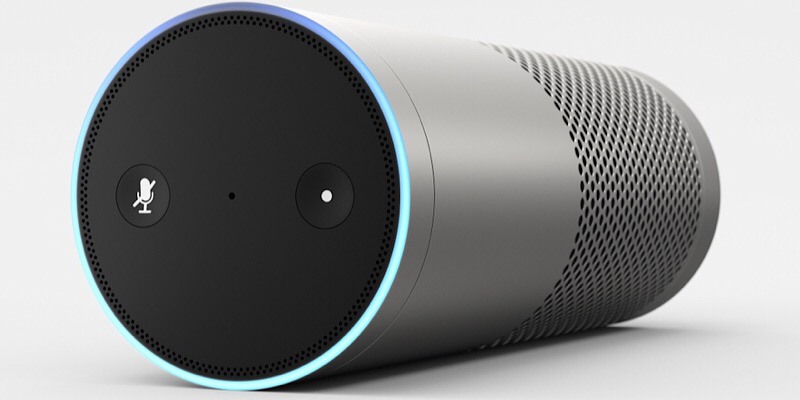

For years we’ve all worried about whether the baby monitors we had in our home were sending out conversations to the neighbors, and there were a few odd stories of that happening. Now we have a high-tech version of that same concern. A family’s Amazon Echo recorded their conversation without their knowledge and then sent it to a random person in their list of contacts.
A Shared Conversation
A Portland, Oregon, family actually used to joke about their Amazon devices listening to them. “My husband and I would joke and say, ‘I’d bet these devices are listening to what we’re saying,’ ” Danielle admitted.
The family then received a phone call from an employee of Danielle’s husband who is listed in their contacts.
“Unplug your Alexa devices right now,” he said. “You’re being hacked.”
Danielle has several Amazon Alexa-powered Echo devices in their home so that they can stay connected throughout their home, despite their frequent joke.
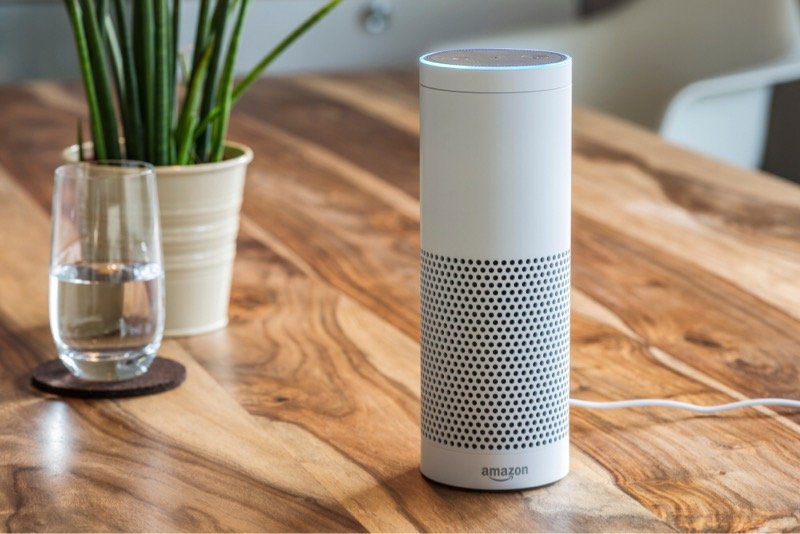
Amazon said in a statement to The Washington Post that the Echo device woke up when it heard a word that sounded like its wake word, “Alexa.”
“The subsequent conversation was heard as a ‘send message’ request, at which point, Alexa said out loud ‘To whom?’ At which point, the background conversation was interpreted as a name in the customer’s contact list.”
The way Amazon is explaining this, it’s completely understandable how this could have happened. It was a series of mistakes on Alexa’s part, but it could have been a costly mistake, had Danielle and her husband been having a sensitive conversation.
The Risks of Smart Speakers
Amazon also stated, “As unlikely as this string of events is, we are evaluating options to make this case even less likely.”
That’s great news that the company is working on fixing this issue to make it less likely to happen again. However, it’s not the first time Amazon’s devices have recorded conversations without the user knowing. Last month a flaw was discovered that enables the device to keep listening. They fixed the issue promptly.
A computer science professor at Georgetown University, Wenchao Zhou, explained that what happened in Portland shows how machines “can wrongly interpret human voices.” They also respond to sounds that people can’t hear and misinterpret other noises as commands.
Daniel Kahn Gillmor, an American Civil Liberties Union Speech, Privacy and Technology Project’s staff technologist, points out, “The Amazon Echo, despite being small, is a computer — it’s a computer with microphones, speakers, and it’s connected to the network.”
He adds, “These are potential surveillance devices, and we have invited them further and further into our lives without examining how that could go wrong. And I think we are starting to see examples of that.”
Something else to keep in mind is that this story of what happened in Portland is just one story. There may be more. This is just one story that made the news. It may have happened elsewhere and not been reported. It also may have happened, and the person who received the recording of the conversation didn’t let the user know. And that’s what’s more troubling than anything else.
Are Smart Speakers Still Trustworthy?
Where does this leave us with regards to smart speakers? It’s a bonafide business right now no matter what brand you’re using. Does this news make you want to keep them out of your home, or does it make you just realize you need to use them more wisely?
Let us know what you think about this Amazon Echo mishap in the comments section below.
Image Credit: Amazon Echo Plus – silver – laid – centered by ClassyPictures/Shutterstock, White Amazon Echo Plus by seewhatmitchsee/Shutterstock, and 3d rendering pictogram voice recognition system of blue ground by Karsten Neglia/Shutterstock