

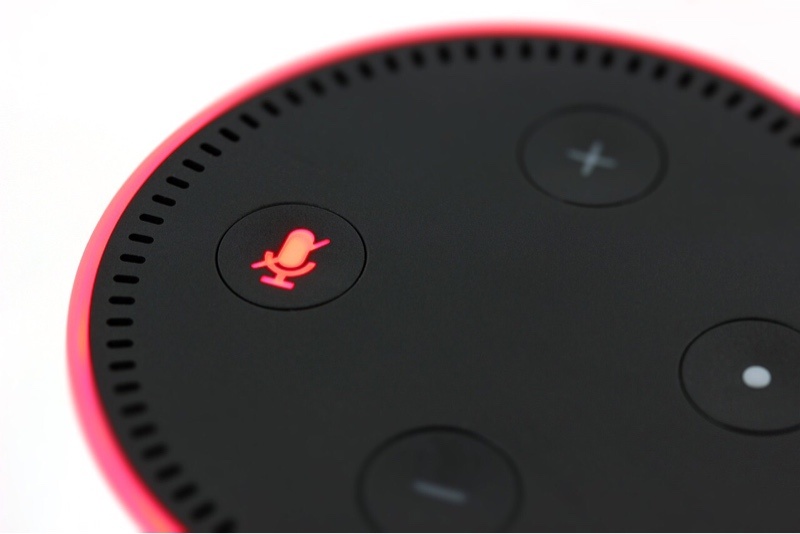
Amazon’s smart speakers have turned Alexa into a top personal assistant, as it not only plays music but handles reminders, organizes appointments, etc. But syncing with the V2MD interface could allow patients and doctors to handle appointments through the personal assistant and possibly even teleconferencing. Missing appointments could be a thing of the past.
Alexa and V2MD Integration
A health communications startup, MediSprout, partnered with Amazon to create a new platform for scheduling appointments. Additionally, Alexa was configured to work with the videoconferencing platform V2MD.
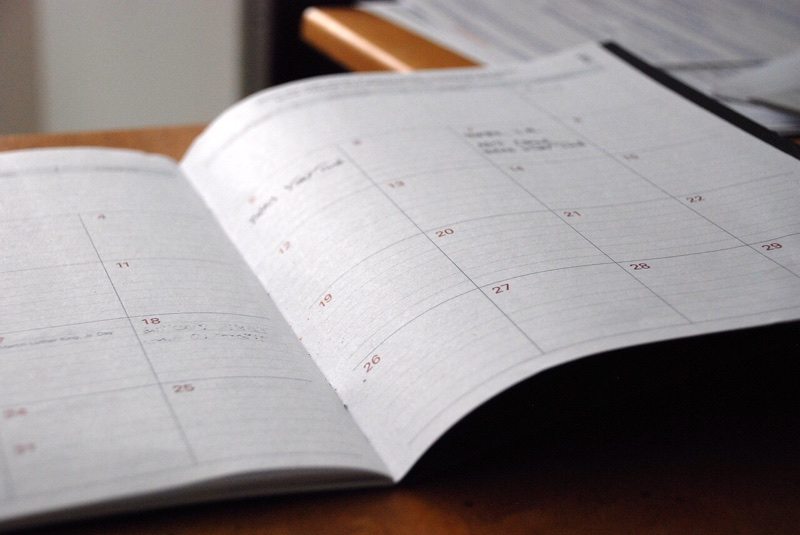
The system works together to provide a doctor’s available appointment times to a patient who then must choose a time that works with them as well. Alexa then adds the appointment to the calendars of the patient and the doctor. It’s designed to save time and reduce the chance of patients not showing up to their appointments.
Not only initial appointments, but this system is designed to make the process of follow-up appointments and refilling a prescription easy as well. It also gives patients an open forum for asking the doctor questions directly, without having to go through a receptionist and/or nurse.
It could go further than just creating appointments, refilling prescriptions, and answering questions. Since V2MD is a video teleconferencing platform and all, it’s been suggested that patients could even have a video call with their doctor and perhaps eliminate the need for an in-person appointment.
Additionally, V2MD works with a blood pressure monitor as well. Patients have already shared their blood pressure results with their doctors through the system, and control rates increased from 38.6 percent to 70 percent because the system allowed doctors to monitor changes and suggest treatment adjustments.
How this Could Help
There are many, many ways this could help, both presently and in the future. For one, reports state that missed doctor’s appointments is a $150 billion issue. And with the process made much easier, patients will be less likely to miss those appointments. It will be on their schedule, and Alexa can remind them and allow them to change the appointment if a conflict arises.
Anyone who has tried to go through the current system to get a prescription refilled understands that problem. If you go through the pharmacy, they sometimes need to contact your doctor first, and you have to wait around for that. It can frustratingly take a couple of days. If you call your doctor yourself, then you have to wait until the receptionist speaks with the doctor, often much later in the day. But with this Alexa system it could be done much more directly.
And, of course, videoconferencing with your doctor could help in so many ways. It could possibly cut down on the in-person appointments. If you have a strange rash that shows up, you could show the doctor from the convenience of your own home. And if you have something extremely contagious, you could again talk with the doctor from your own home and avoid spreading germs throughout the doctor’s office, infecting even more people.
Furthermore
This system could work well in so many different ways that it makes you question why it hasn’t been done as of yet. It would be beneficial for the doctor’s office staff, the doctor, and especially the patients.
Is this what will become of doctor appointments in the future? Is this where we’re headed with technology? Would videoconferencing be acceptable to you, or would you still prefer to always meet with your doctor face to face? Tell us what you think of this new Alexa integration in the comments section below.