
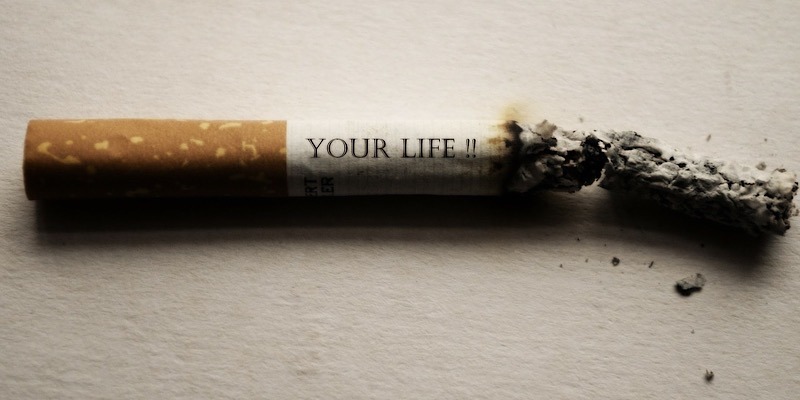

Our mortality can be a difficult subject to broach. Would you want to know when you’re going to die if that information was available to you? Maybe not a specific date, but would you want to know if you’re predisposed to die earlier than the average?
For instance, with me it’s a no-brainer. I don’t particularly want to know, but I’ve already beaten the odds: I’m a cancer survivor. So my chances are increased. Artificial intelligence algorithms are now showing more accuracy determining early death. While my situation may be easier to determine, the next person’s may not be, but AI is still able to figure that out with more accuracy than existing methods.
AI Predicts Early Demise with More Accuracy
Medical researchers, led by Dr. Stephen Weng, an assistant professor of epidemiology and data science at the University of Nottingham in the UK, trained an AI system to evaluate the health data of more than a half million people in the United Kingdom, then used it to predict if people are more at risk of dying prematurely from chronic disease.
I had my cancer six years ago. Ten years ago would AI have been able to predict that I would get this disease or that I was more likely to die earlier of a disease?
The predictions AI determined of early death were “significantly more accurate” than previous methods of determining it, according to Weng.
Two types of AI were used to evaluate the potential for premature death: “deep learning” and “random forest.” Deep learning takes place when a computer uses layered information-processing networks to learn from examples. Random forest combines multiple tree-like models to determine the same thing.
The results from the deep learning and random forest methods were then compared to the standard algorithm used to determine premature death: the Cox model.

Genetic, physical, and health data from the open-access database of UK Biobank was evaluated by the researchers using all three models. That database included nearly 14,500 people who had died, in most cases from cancer, heart disease, and respiratory diseases, from 2006 through 2016.
Age, gender, smoking history, and a prior cancer diagnosis were important variables in determining if a person would die prematurely, according to all three algorithms.
But the algorithms looked at other variables differently. The Cox model put an emphasis on ethnicity and physical activity, while the AI didn’t.
The random forest AI placed importance on fat percentage, waist circumference, the amount of fruit and vegetables eaten, and skin tone. The deep-learning AI looked at exposure to job-related hazards and air pollution and also took into consideration alcohol intake and some medications.
When the three algorithms were compared, deep learning was the most accurate. It correctly identified 76 percent of people who died within the decade of study. Random forest was accurate with 65 percent of people, while the Cox model was accurate with about 44 percent of people.
Trustworthy AI
These aren’t the only times AI has been accurate in predicting health care outcomes. It has been used to determine early signs of Alzheimer’s disease, autism, diabetes, heart attack, and stroke.
So now that we know AI can accurately predict premature death, where does that leave us? Is this something we want to know so that we can execute our bucket lists? Would you want AI to tell you your chances of dying prematurely? Add your thoughts on this to the comments below.