

There were plenty of warnings, especially from Apple rival Facebook, that Apple’s plan to give more privacy control to users would upset the proverbial apple cart the tech world’s economics. Early reports show they were right. The privacy policy change has already caused such a shift that advertisers are shying away from Apple, landing on Android.
Apple’s Bold Policy Move
Three years ago, Apple CEO Tim Cook said, “Privacy is a fundamental human right.” That’s always been a strong element of the Apple experience, but now it seems Apple is banking on it to show how it differs from its competitors.
Apple only sells ads on a few of its apps and doesn’t receive a share of the revenue from third-party iOS apps. Its competitors – Facebook and Google – depend much more on ad revenue in their business models.
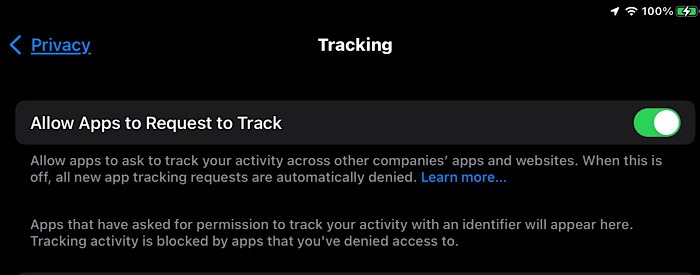
Apple announced during the 2020 WWDC that iOS 14 would bring a change in data tracking. It would be forcing iOS apps to disclose what data they keep on users and allow users to opt out. It finally put it into play this spring with iOS 14.5.
Facebook has been very vocal about Apple’s plan. In December, it said Apple’s intention was to “force businesses to turn to subscriptions and other in-app payments for revenue, meaning Apple will profit and many free services will have to start charging or exit the market.”
But Facebook also claimed that it was looking out for the little guy and not itself. Facebook stressed that Apple’s “App Tracking Transparency” would hurt small businesses that were already hurting because of the pandemic. The social media giant stated that one of its studies showed that small businesses might see a 60 percent loss in website sales because of Apple’s new feature.
Results Show Advertisers Working More with Android and Less with Apple
Apple’s new feature forces apps to ask users for permission to track them. I can tell you as an iOS user that I’m opting out. Some apps that I trust and that I feel my data would help, I allow to track me, but with most others, I opt out.
So I leave tracking on overall but opt out of individual apps. With a choice of helping the developers or protecting my privacy, I’m choosing my privacy, and I’m not the only one. Less than 33 percent are opting in, according to Branch Metric Inc., an ad-measurement company.
This has led the prices of iOS ads to fall and the prices of Android ads to rise. Advertisers have complained that throughout the short three months since the Apple privacy policy has been active, they’ve lost much of the data that made iOS ads effective. Without the effectiveness, it’s hard to justify a high cost for the ads.
Now when advertisers buy ads from Apple, it’s much less targeted. Ad agencies claim Facebook’s tools in its social media products aren’t as effective, as iOS users are opting out of sharing their data.
The literal and figurative million-dollar question is how this will affect the tech world business model. Advertisers are hopping over to Android, but Apple doesn’t depend on ads to make money – its third-party app developers do, however, and don’t appear to want users to know their privacy is affected. Will this lead to fewer developers working with Apple? Or will the result be just a change in the business model of a tech business?
Read about the ads Facebook took out in newspapers chastising Apple for its commitment to privacy and about the changes in iOS 15 that include more privacy.