

Sure, using AI for brain implants sounds crazy. Who’s going to want doctors to give them a brain implant? The subject just brings up old images of when lobotomies used to be practiced or people sitting with upside-metal bowls on their heads as electricity is transferred to them.
But if you block those early images from your mind and imagine something more closely related to the technology you’re already implementing, using artificial intelligence for brain implants doesn’t sound quite so far-fetched.
The Research
The first thing you need to realize is that no one is talking about a complete brain being transplanted with AI. That seems like it would be difficult to implement. What we’re talking about here is something that would work in addition to your biological brain.
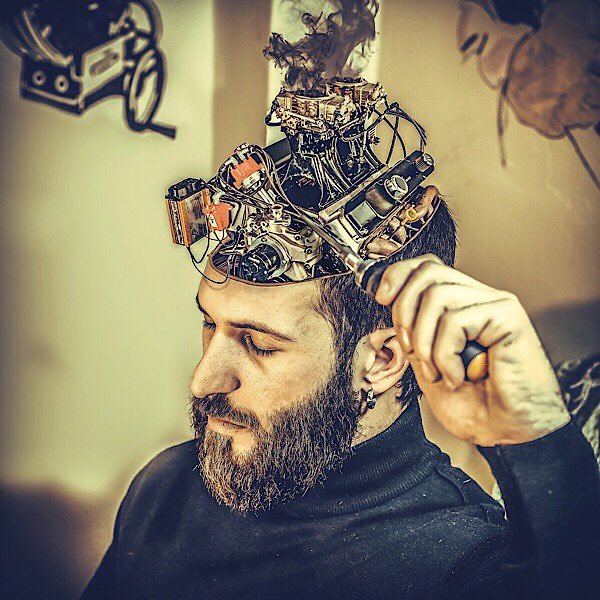
Professor Newton Howard from the University of Oxford is leading a team that has developed a prototype for a nanoscale, AI-powered artificial brain that would arrive in the form of a high-bandwidth neural implant. The plan is to start testing on rodents very soon.
After a decade of research by Professor Howard, there have been several United States patents issued for technologies and algorithms behind the device.
The Biological Co-Processor (BCP) uses advanced nanotechnology, optogenetics, and deep machine learning to map out events in the brain that include neural spiking activity and external physiological, linguistic, and behavioral expression.
Over one million carbon nanotubes are included in the implant. To understand the size, each one of those million carbon nanotubes are smaller than the width of one human hair. As they work together, they lead to neural growth.
The device writes to the brain with a combination of methods that include pulsed electricity, light, and molecules that either simulate or hinder specific neuronal groups from activating.
How It Could Be Used
For those of us who aren’t scientists, all of that can be a little confusing, the talk about nanotubes, neuroral groups, etc. But what you really need to know is how this potential brain implant could help you or a loved one.
The BCP could potentially help those suffering from neurological diseases and disorders as well as those dealing with psychiatric and psychological disorders. If you’re watching a loved one slowly go downhill while dealing with a degenerative disease, that could be helped too.
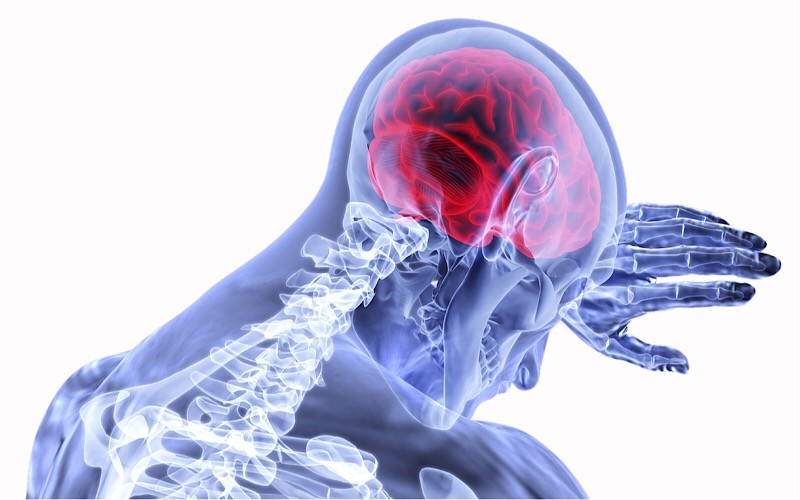
It’s being suggested that patients with traumatic brain injuries and neurodegenerative disorders, such as Alzheimer’s, will be the first therapeutic uses of the BCP. It will strengthen those connections that have been weakened and are losing memories as well as skills. It’s designed to interpret neural circuits and read and write to the surrounding neurons, meaning it could potentially rewrite the memories and skills to areas of the brain that are healthier.
Professor Howard sees even more potential. “The brain controls all organs and systems in the body, so the cure to nearly every disease resides there,” he says. He sees implementing human intelligence with A.I. as “the next step on the blueprint that the author of it all built into our natural architecture.”
It May Be Closer than You Think
It may still seem far-fetched to you, but again it’s probably not as far away as you’re imagining. Last year both Elon Musk and Bryan Johnson announced separately they’re investing in a concentrated effort on the idea of a brain/computer interface.
And look what we’re already doing. We have cochlear implants, eye implants, organ transplants, bone marrow transplants, etc. Why should implanting a device into the brain seem so far away?
What do you think of this technology? Realistically, how far away do you think we are from actually implementing AI brain implants? Let us know your thoughts in the comments below.