
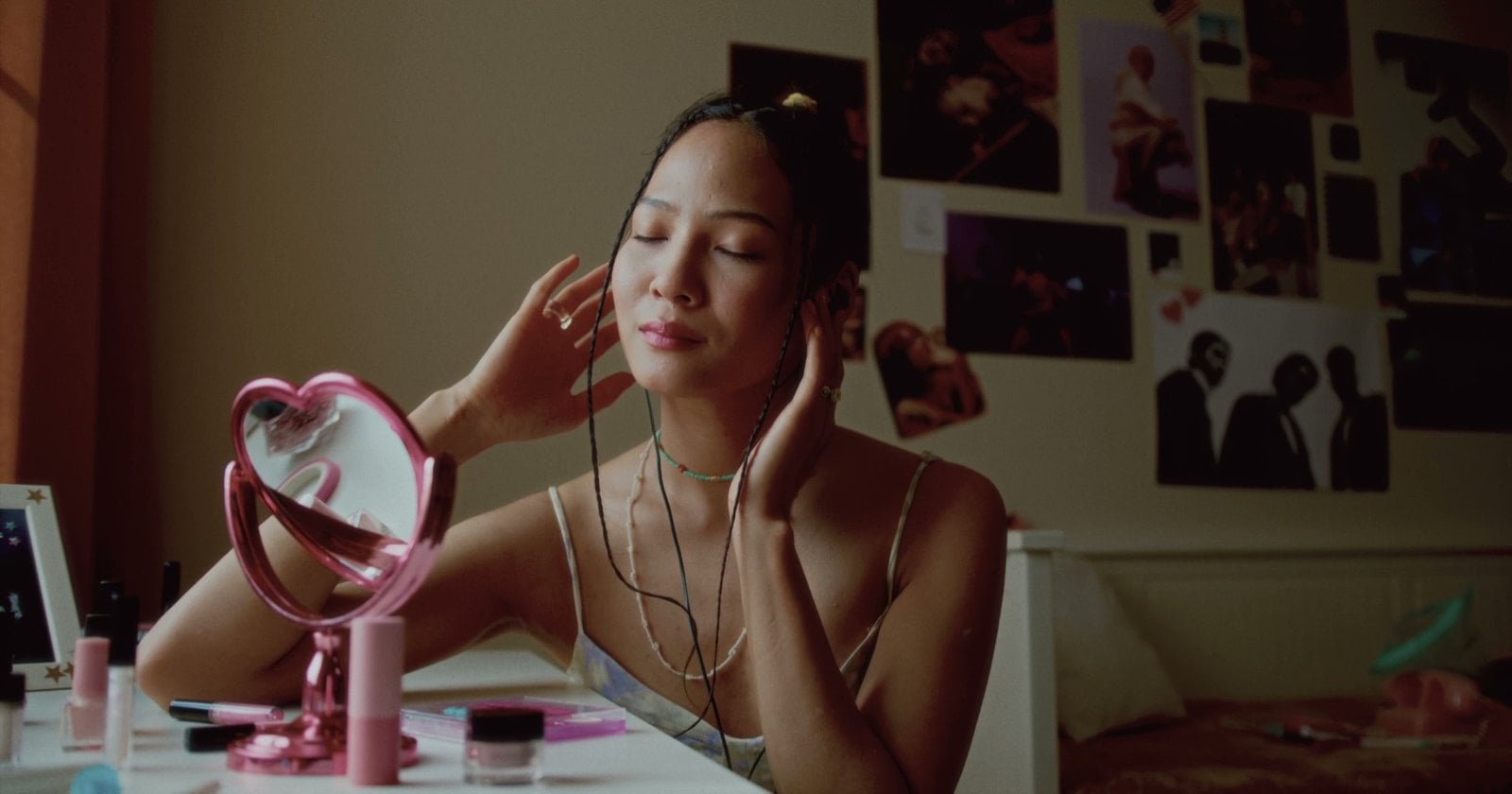

Ten years ago, the headphone wire looked finished. Apple dropped the headphone jack from the iPhone 7 in 2016 and launched AirPods the same year, and Bluetooth quickly took over. Now the cord is back in shops, on commuters and on college campuses, and the sales figures have started to follow.
What the sales data shows
The clearest numbers come from the market research firm Circana, which tracks US retail sales. In a February 2026 post, analyst Ben Arnold wrote that wired headphone sales had fallen for five years in a row, ending with a $42 million drop in 2024. Then they turned. Sales grew 3 percent in 2025, about $15 million, with most of the gain in the second half of the year, when they rose 10 percent between July and December. In the first six weeks of 2026, wired headphone revenue was up 20 percent.
Arnold noted that the growth was spread across several brands and price points, which suggested a broad trend rather than one popular product.
The momentum held through the year. Fast Company in October noted that wired headphone sales rose 15 percent year over year to $354 million, and that they had grown every month since August 2025.
A big brand bets on the cord
Bose is one company acting on the trend. On September 28, it announced the Bose Noise Cancelling Wired Earbuds, a $99 pair that plugs into a phone or laptop through USB-C and has no battery, no app and no Bluetooth pairing. In its press release, Raza Haider, president of Bose Premium Consumer Audio, said wired earbuds “are experiencing a cultural renaissance.”
Haider told Fast Company the idea started on a college campus. Dropping his daughter off the previous fall, he noticed more students wearing wired headphones than he had seen in years. His daughter told him that in high school, kids with wired headphones would have been teased, and now it felt like “all the cool kids have them.”
Bose says preorders sold out two months’ worth of stock in less than 24 hours. They were its first wired earbuds in 11 years.
Why people are switching
Price is part of the answer. Circana put the average selling price of wired headphones at around $13 in 2025, compared with $99 for Bluetooth models. Arnold suggested some shoppers may be trading down to cheaper, simpler products as electronics prices rise.
But the new Bose ones are $99 so there must be more to it.
Practicality is another. Wired earbuds don’t need charging and are hard to lose, since the two buds are attached to each other.
Then there is nostalgia. Paul Gagnon, vice president and industry advisor at Circana, told Marketplace that the appeal is partly a return to a device that does one simple job. Circana has tracked a similar pattern in other products: Arnold wrote that sales of digital point-and-shoot cameras jumped 93 percent in 2025, even though most phones take better photos.
Who is actually buying them
The trend is usually described as a Gen Z thing, and young people are the most visible wearers.
But the purchase data tells a slightly different story. Gagnon told Fast Company that millennials, not Gen Z, lead wired headphone purchases, and that buyers are more likely than average to live in households with children. “If you think about a 35- to 44-year-old, that’s the typical age of a young parent or a parent of young kids, so maybe they’re buying them for their kids,” he said.
Sales data shows who pays at the register, not who ends up wearing the earbuds. Both pictures can be true at once: teenagers and college students making wires fashionable again, and their parents buying many of the pairs.
Bluetooth isn’t going anywhere
The comeback is real but small. True wireless earbuds, the AirPods style, still made up 65 percent of all US headphone spending in 2025, according to Circana. Wired headphones are growing from a low base.
If you want to try them, check your phone first. Most new phones no longer have a 3.5mm headphone socket, so you will need USB-C or Lightning earbuds, or an adapter for the old-style plug.