

Fionn Ferreira grew up on the rugged Atlantic coast of West Cork, in the far southwest of Ireland. Kayaking along the shoreline, he kept noticing plastic washing in from the ocean. Then one day he found a stone on the beach, coated in oil from a recent spill, with tiny bits of plastic stuck to it.
That gave him an idea. If oil grabs plastic, maybe there was a way to use oil to pull plastic out of water, and then pull the oil out too. In 2019, the experiments that followed won him the grand prize at the Google Science Fair, along with a $50,000 scholarship.
The trick: make the oil magnetic
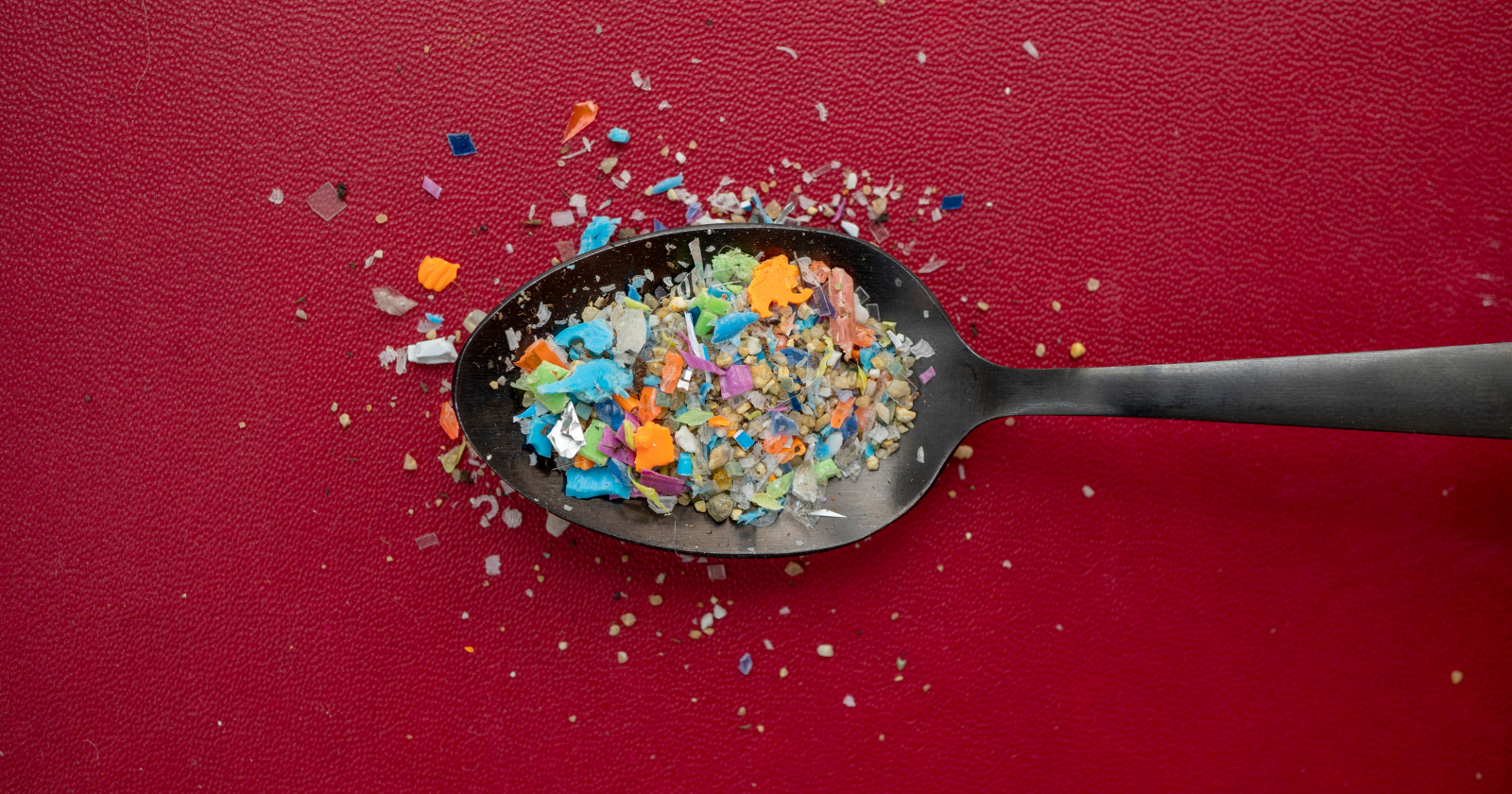
Microplastics are pieces of plastic smaller than 5 millimeters. They come from broken-down bottles and bags, but also from things like synthetic clothing, which sheds tiny fibers every time it goes through the washing machine. Because they’re so small, they slip through most filters and end up in rivers and oceans.
Ferreira, then a student at Schull Community College, knew from his reading that researchers had experimented with cleaning up oil spills using magnets. The idea was to mix iron oxide powder into the spilled oil, making it magnetic, then pull it out of the water. He wondered whether the same approach could work for plastic.
His recipe was simple. He mixed magnetite, a non-toxic iron oxide powder, with waste vegetable oil. Together, they formed what’s called a ferrofluid, a liquid that responds strongly to magnets. When he added it to water containing microplastics, the plastic particles stuck to the fluid. Then a magnet pulled the fluid, and the plastic with it, out of the water.
About 1,000 tests
Science fair judges look for more than a cool idea. They want evidence. Ferreira ran his experiment around 1,000 times, testing ten common types of plastic in both fresh water and seawater.
On average, the method removed about 87 percent of the microplastics. It worked best on the tiny fibers shed by washing machines and worst on polypropylene, a common plastic used in packaging and bottle caps.
One of his most interesting findings came from questioning his own setup. He discovered that the oil made no statistically significant difference to how well the method worked, which suggested the magnetite itself was doing most of the work. That kind of result is exactly what good experiments are meant to reveal, even when it complicates the original idea.
What exactly is a ferrofluid?
Ferrofluids sound exotic, but you’ve probably owned one without knowing it. They were developed at NASA in the 1960s as a way to control fuel in zero gravity. The basic idea is a liquid carrying extremely fine magnetic particles that stay evenly spread out instead of clumping or sinking.
Today, ferrofluids show up in surprisingly ordinary tech. Many loudspeakers use a thin ring of ferrofluid around the voice coil to help cool it and dampen unwanted vibrations. Some hard drives and industrial machines have used ferrofluid seals to keep dust out of spinning parts. And if you’ve seen videos of black liquid forming spiky shapes near a magnet, that’s ferrofluid too.
What makes Ferreira’s version appealing is the ingredients. Magnetite occurs naturally and is non-toxic, and vegetable oil is cheap and easy to find. That’s a big plus for any cleanup method that might one day be used at a large scale.
From kitchen science to water treatment
Ferreira was clear that his method isn’t meant for scooping plastic out of the open ocean. The sea is enormous, and microplastics are spread incredibly thin. Instead, he saw its future in wastewater treatment plants, catching microplastics before they ever reach rivers and the sea.
That’s where a lot of the problem starts. Every load of laundry with synthetic fabrics sends fibers down the drain, and many treatment plants weren’t designed to stop particles that small. A system that runs dirty water through a magnetic fluid, then pulls the fluid and plastic out with magnets, could in theory slot into that process.
There’s still a big gap between a promising lab result and a working treatment system, though. A real plant would need to handle huge volumes of water, separate the plastic from the magnetite so the material can be reused, and do it cheaply and reliably. Lab tests in jars don’t answer those questions. That’s normal for any early-stage idea, and it’s why winning a science fair is a starting point, not a finish line.
Why it caught people’s attention
Part of the appeal of Ferreira’s project is how simple it is. There’s no expensive equipment or rare chemicals, just oil, rust-like powder and a magnet. Plenty of breakthrough ideas start that way, with someone noticing a small detail, like a stone on a beach, and asking an unusual question about it.
It’s also a good example of how good science often works: borrowing an idea from one field (oil spill cleanup), applying it to a different problem (microplastics), then testing it rigorously enough to find out what’s really going on. Whether or not this exact method ends up in treatment plants, that approach is worth copying.