
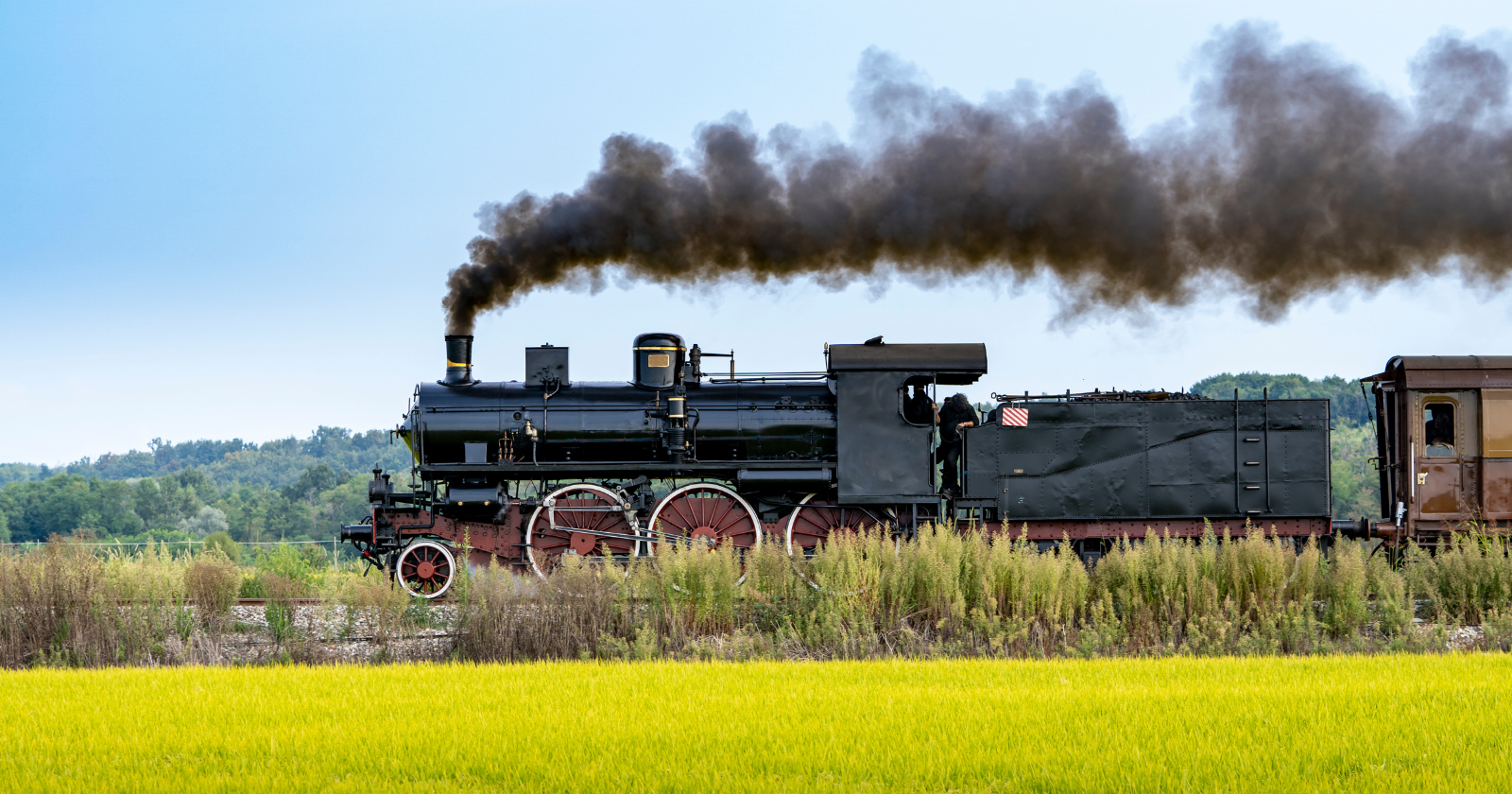

On a winter morning in late 1997, a small group of rail enthusiasts boarded a two-coach train at Delhi Cantonment station. At the front, hissing and dripping, was a locomotive that had been built in England before the American Civil War. It had a tall chimney, one big pair of driving wheels and a name painted on its side: Fairy Queen.
The trip to Alwar in Rajasthan took about five and a half hours. A few months later, Guinness World Records certified the engine as the oldest steam locomotive in regular service anywhere in the world.
From Leeds to Calcutta
The Fairy Queen was built in 1855 by Kitson, Thompson and Hewitson, a locomotive maker in Leeds, England. It was shipped to India for the East Indian Railway Company and reached Calcutta, now Kolkata, the same year. The company gave it the plain fleet number 22. It didn’t get its fairy-tale name until 1895.
Its first job was hauling light mail trains in West Bengal, between Howrah and Raniganj. During the Indian Rebellion of 1857, it was pressed into service pulling troop trains. It went on to spend more than 50 years on passenger and freight work before being retired in 1909.
For most of the 20th century, it was a museum piece. It sat on display at Howrah, then at a railway training school, and was granted heritage status by the Indian government in 1972. It later went on show at the National Rail Museum in New Delhi.
Back on the main line after 88 years
In 1997, Indian Railways restored the Fairy Queen to full working order. In July of that year, it made its first main line run in 88 years.
Between October 1997 and February 1998, it hauled a series of special weekend trips from Delhi to the Sariska Tiger Reserve near Alwar, a journey of about 143 km (89 miles). According to Guinness, each trip carried up to 50 steam fans, who paid around $400 for the experience. The engine’s official speed limit was 40 km/h (25 mph), though passengers reported it happily went faster.
Those runs earned it the record in 1998. Over the following years it ran heritage trips out of Delhi on and off, with some long gaps for repairs. In 2017, at 162 years old, it hauled a special train from Delhi to Rewari in Haryana, where it’s now based at a heritage steam shed.
It’s worth being clear about what “regular service” means here. The Fairy Queen didn’t run continuously for 150 years. It worked for about half a century, rested for almost 90, then came back for occasional heritage trips. Even so, very few machines of any kind from the 1850s can still do the job they were built for.
How does a 170-year-old engine still run?
Part of the answer is simplicity. The Fairy Queen is a small tank engine, weighing about 26 tonnes, with one pair of large driving wheels and a basic boiler and cylinder setup. There’s no electronics, no complex control system and very little that can’t be measured, machined and replaced by a skilled workshop.
Steam locomotives are also highly repairable by design. Boilers can be retubed, worn bearings remade and cracked parts recast. Railway workshops in the 19th century expected to keep engines running for decades by fixing and replacing components as they wore out. That same approach is what brought the Fairy Queen back.
The restoration work wasn’t easy, though. Parts for an engine this old aren’t sitting on a shelf, so pieces that are missing or worn out have to be made from scratch. Over time, that raises a classic question for any heritage machine: how much of the original can be replaced before it’s no longer the “same” engine? Rail preservationists generally accept that keeping an old machine working means some parts will be new, as long as the core structure and design are original.
A lesson for modern tech
There’s an obvious contrast with today’s devices. Many modern gadgets are glued together, use proprietary screws or can only be repaired with parts the manufacturer chooses to supply. When a battery or screen fails, the cheapest option is often a replacement.
The Fairy Queen comes from the opposite philosophy. It was built to be opened up, understood and fixed by the people who used it. That’s a big reason it outlived the company that built it, the company that ran it and the empire it served. It’s also the same thinking behind today’s right-to-repair movement, which argues that products should be designed so owners and independent shops can keep them working.
Not every modern device can be as simple as a steam engine. But the Fairy Queen is a reminder that longevity is often a design choice, not a happy accident.
Not the only old-timer in the shed
The Fairy Queen isn’t India’s only working veteran from that era. Another East Indian Railway engine from the same period, known as the Express, has also been restored to working order. Rail fans sometimes argue about which locomotive deserves the “oldest working” title. For now, the Guinness record still belongs to the Fairy Queen.
Either way, both are remarkable survivors. A machine designed in Victorian Leeds, built when the telegraph was cutting-edge technology, can still make steam and pull passengers along a modern railway. Few things built today are likely to say the same in 2190.